
Last updated November 20, 2026
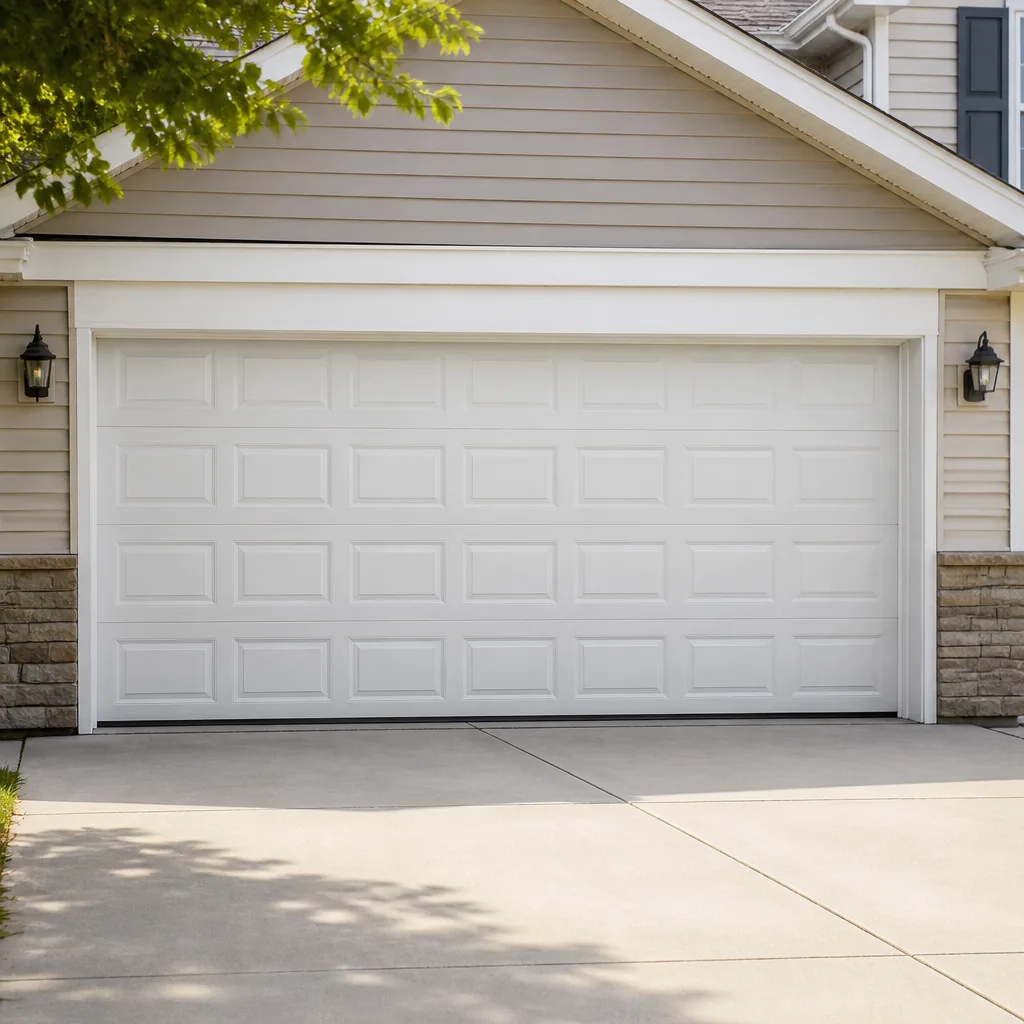 Raised-panel steel
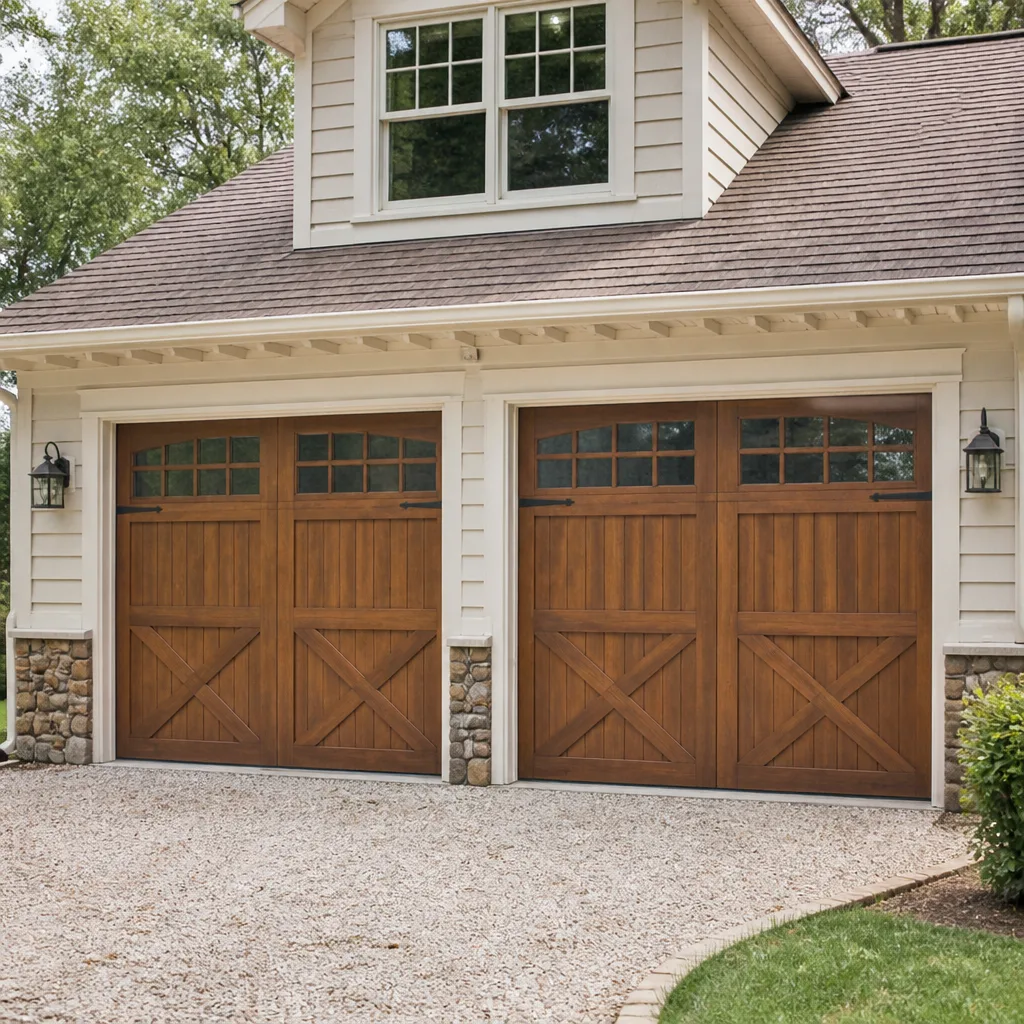 Carriage house
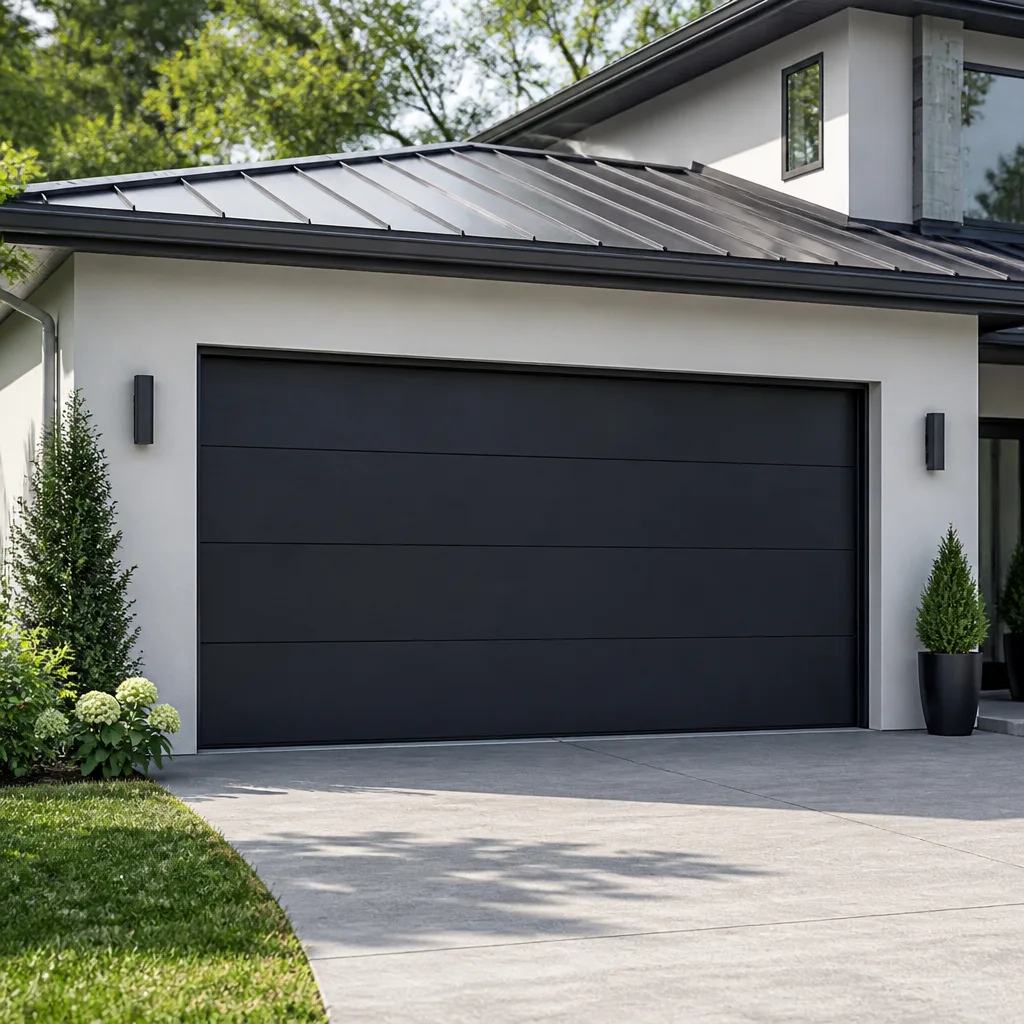 Modern flush
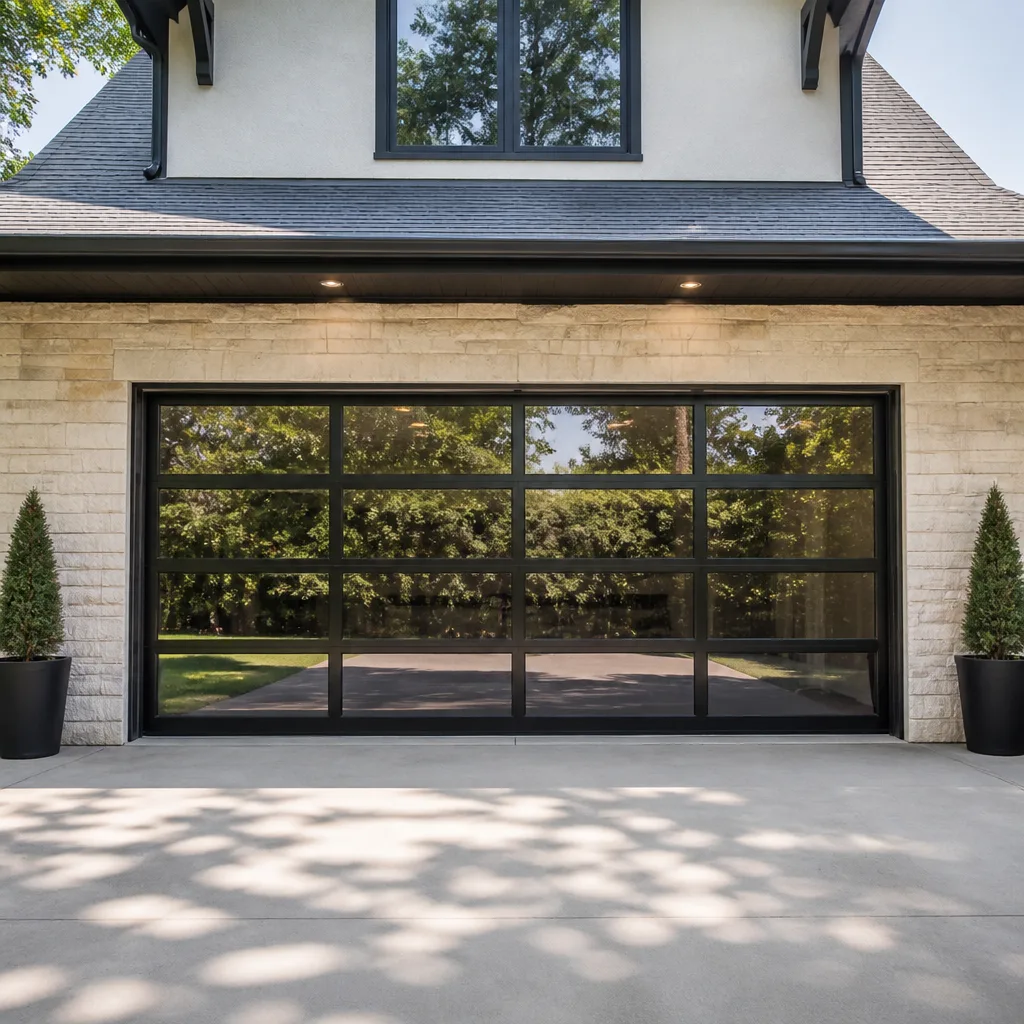 Full-view glass
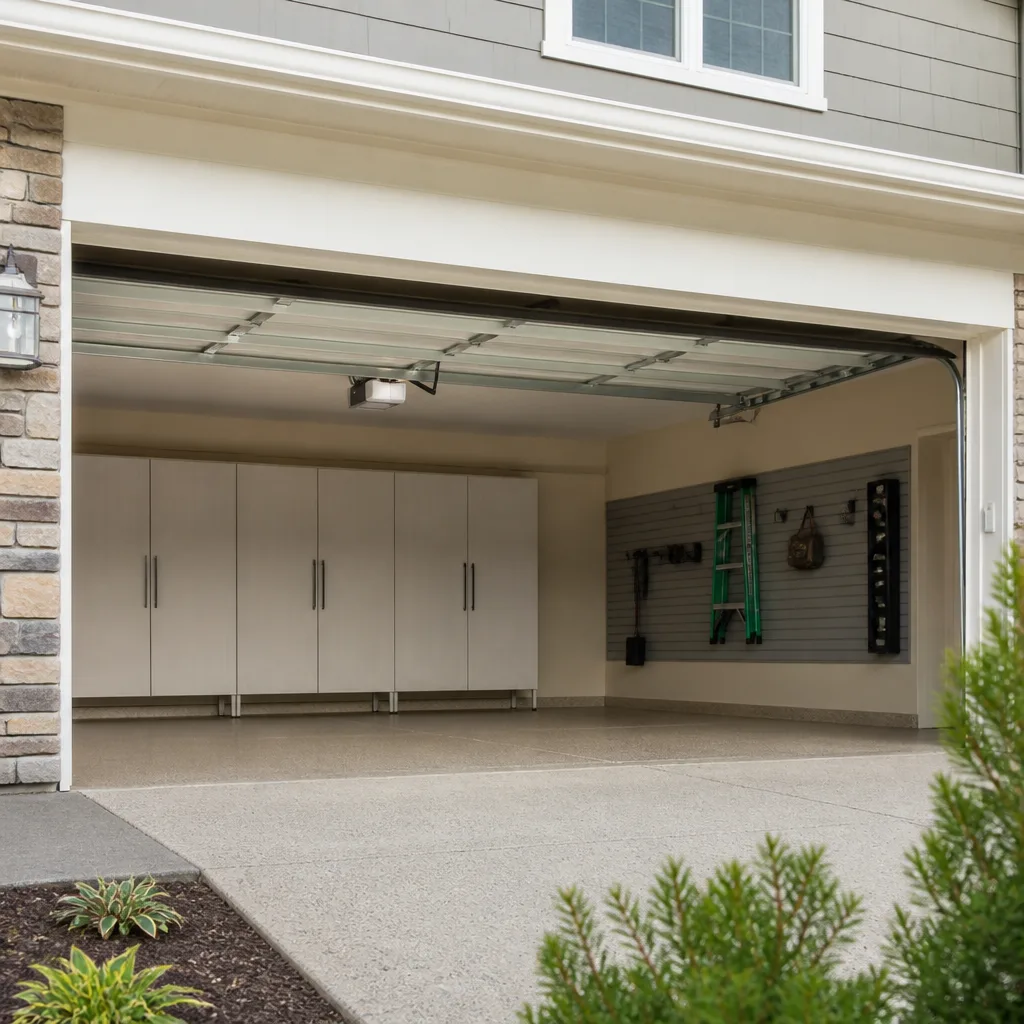 LiftMaster openers
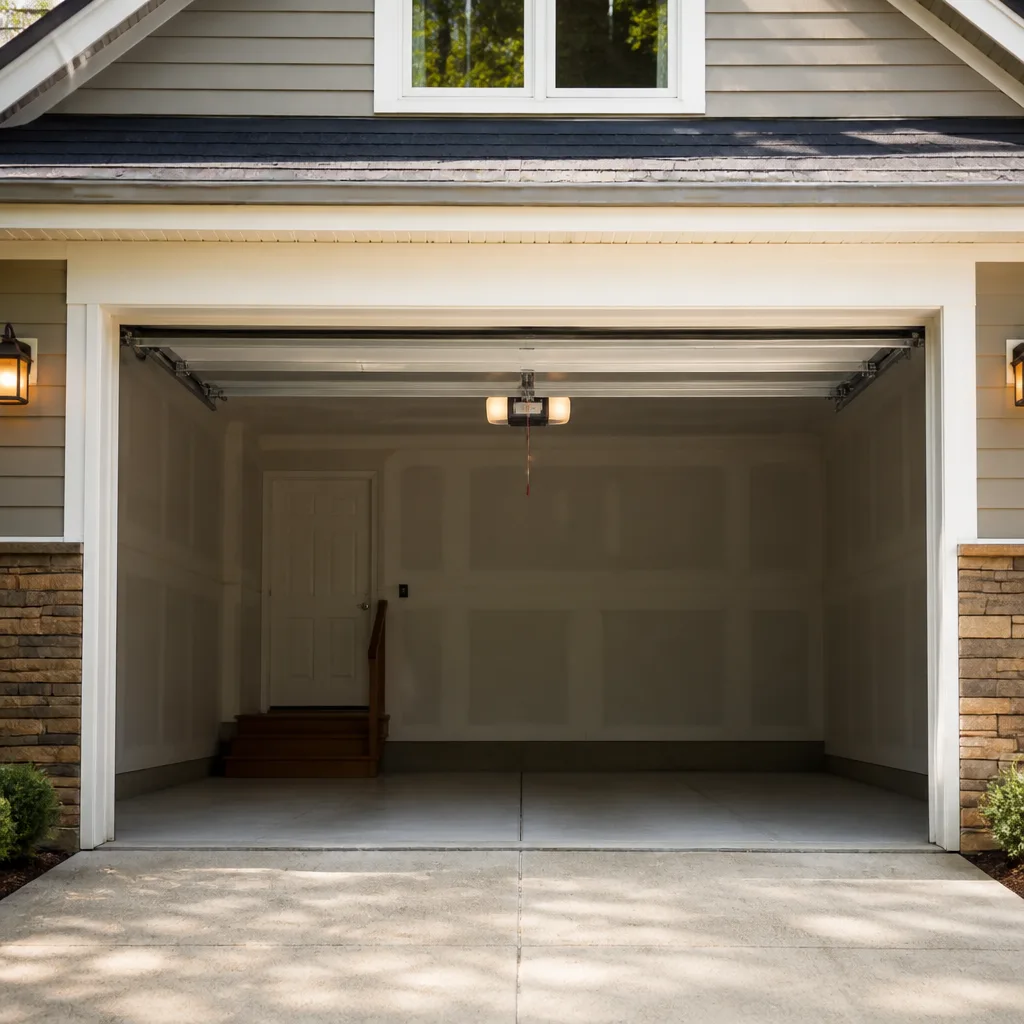 Chamberlain openers
Full 25-point door and opener safety check with every visit - springs, cables, rollers, tracks, and your LiftMaster or Chamberlain opener included
You get a price before we start. It does not change when the pro arrives.
Get your free estimateSeasonal Garage Door Care for Aventura: Year-Round Homeowner’s Guide
There’s no winterizing a garage door in Aventura. You won’t find anyone here draining lines or bracing for a freeze, because none of that applies. What Aventura does have is a calendar with two windows that actually matter to a garage door: the stretch from April to May, when you still have time to prep before the first named storm, and the weeks after a storm passes, when most homeowners do nothing because the door still opens. That second window is the quiet one. Springs, cables and track hardware don’t always fail the day of the storm. They fail weeks later, after a small weakness has had time to work itself loose. This guide covers what to check in each season, what to leave to a technician, and how to tell the difference. We work on garage doors in Aventura every week, and the pattern holds.
Styles & brands we work with
- Raised-panel steel
- Carriage house
- Modern flush
- Full-view glass
- LiftMaster openers
- Chamberlain openers
Quick Answer
Seasonal garage door care in Aventura revolves around two things: prepping your door before hurricane season starts in June, and inspecting it after every storm even if the door still opens. Outside storm season, your main jobs are lubricating moving parts before the dry months dry them out and checking wood or composite door panels as humidity shifts. Springs, cables and high-tension hardware should always be inspected and serviced by a trained technician, never handled as a DIY project. A free estimate and a look at the door each spring and fall will catch most problems before they turn into an emergency call.
Table of Contents
- Why Aventura Garage Doors Age Differently
- Pre-Hurricane Season Checklist (April to May)
- Hurricane Watch vs. Warning: What to Do With Your Door
- Post-Storm Inspection: Why a Door That Survived Still Needs a Look
- Dry Season Care (November to April)
- Summer Heat Protocol: What 90°F Days Do to Torsion Springs
- Opener Care by Season: Your Brand, Your System
- Common Mistakes to Avoid
- When to Call a Professional
- Frequently Asked Questions
- The Bottom Line
Why Aventura Garage Doors Age Differently
Garage doors in South Florida don’t fail the way a garage door fails in Ohio. Up north, the enemy is expansion and contraction from freezing and thawing, and doors there get greased and adjusted around a hard winter. Here, the enemy is heat, humidity and the occasional storm that stresses every moving part in a single afternoon. That’s a different set of problems, and it needs a different maintenance rhythm.
Aventura sits close enough to the water that summer humidity stays high for months, which affects lubricants, wood components and the metal track hardware. Then the dry season arrives in November and pulls some of that moisture back out. A door that was fine in July can develop small gaps or a slightly stiff track by February, and a homeowner won’t notice until something starts to stick.
The second factor is storm season itself. Aventura’s housing stock includes a lot of block construction, a lot of flat roofs, and a lot of garages that face the street or an alley. When a storm pushes through, the door takes the pressure. An impact-rated door is built for that, but impact-rated doesn’t mean maintenance-free.
The third factor is age. Most of the doors we see in Aventura are original to the home or a few years old, and the homeowners who do best are the ones who treat their door like any other mechanical system: checked twice a year, serviced when something is off, kept until it actually needs replacing. A repair-first approach almost always costs less than a replacement, and for the eight major brands we work on, the parts are findable.
If you notice a problem during any of these seasonal checks, don’t wait for it to get worse. Our garage door repair service covers everything from a stuck door to a bent track, and we can usually get out the same day.
Pre-Hurricane Season Checklist (April to May)
The April to May window is the most important one on the Aventura garage door calendar, and it’s the one most homeowners waste. By the time a named storm is in the forecast, the stores are crowded and the technicians are booked out. April and May are quiet. Use that window.
Here’s how we’d walk a door in late spring, in order:
- Look at the springs first. Torsion springs sit above the door on the header, and they’re the single most important part to inspect before storm season. Look for visible gaps in the coil, rust spots, or a door that feels heavier than it should when you lift it by hand (with the opener disengaged). A spring that’s about to fail will show stress before it snaps.
- Check the lift cables. Run your eyes down both sides of the door and look for fraying, kinks or slack. A cable with visible broken strands is a failure waiting to happen. Don’t lubricate cables as a fix, and don’t try to re-tension them yourself.
- Test the door balance. Disengage the opener (pull the release handle), lift the door halfway, and let go. A properly balanced door holds its position. One that drops or rises on its own means the spring tension is off, and that’s a call to make before storm season.
- Inspect the reinforcement hardware. Look at the hinges, rollers and bracket bolts. Every bolt should be snug. Any bracket that’s loose, bent, or showing rust around the bolt hole is worth replacing.
- Check the weather seal along the bottom. A dry, cracked seal is a small thing, but it lets water and wind-driven rain in under the door. Replacing it is cheap and easy, and doing it in May beats doing it in a storm.
- Test the opener’s safety reverse. Put a piece of wood flat on the ground under the door and close it. The door should reverse on contact. If it doesn’t, call for a check on the opener’s sensors or limit settings.
- Clear the tracks. Wipe the tracks with a dry cloth and look for debris, and check that the vertical and horizontal sections line up. A track with a wobble becomes a track that bends in a storm.
Do these checks once in April and once in late May, and you’ll have caught nearly everything that would turn into an emergency in June, July or August. Springs and cables aren’t on the list for you to fix. They’re on the list for you to notice. If you find a problem there, stop and call us. Our garage door spring repair service is built around this exact inspection.
Hurricane Watch vs. Warning: What to Do With Your Door
A hurricane watch means conditions are possible within about 48 hours. A hurricane warning means they’re expected within about 36 hours. Most homeowners treat those two the same, and mechanically they shouldn’t. The time to act is during the watch, not the warning.
During a watch, you still have a day or two. That’s your chance to:
- Close and lock the door fully. A garage door that’s left partway open is a sail. It will catch wind and it will damage the tracks, the panels and possibly the opener.
- Disengage the opener and manually test that the door closes completely and stays shut. If the door won’t close flush against the seal, call us now, not later.
- Move anything that could become a projectile away from the door: bikes, ladders, loose tools, trash bins. Storm damage to garage doors is often caused by what’s inside the garage, not what’s outside.
- Take a photo of the door from the outside and the inside, and a photo of the opener. If there’s damage, you’ll have a baseline.
- Add a brace or vertical support to the door if you have one of the reinforcement kits, and only if it’s the kit that came with your door or was specified for your door model. A homemade brace does more harm than good.
During a warning, the window is basically closed. Don’t try to adjust springs, hang new hardware, or run the door up and down repeatedly to “test” it. Every cycle stresses the springs. If something is clearly broken and you can’t secure the door, call us. We answer 24/7. A call outside dispatch hours is booked into the next opening, Sunday through Friday, 7am to 7pm.
One thing worth knowing: reinforcement hardware that’s installed wrong can concentrate force on a single bracket instead of distributing it. If your door has a reinforcement kit you’re not sure about, have it looked at before storm season. That’s a job for someone who’s done it before.
Post-Storm Inspection: Why a Door That Survived Still Needs a Look
This is the section most homeowners skip. A storm goes through, the power comes back, the door opens and closes, and everyone moves on. But a door that “survived” isn’t the same as a door that’s fine. Pressure from wind pushes on parts of a garage door you’d never think to check, and the failure often shows up weeks later.
The two most common post-storm problems we see in Aventura are small and easy to miss:
- Micro-fractures in track mounting brackets. The bolts holding your horizontal track to the ceiling and the vertical track to the jamb absorb the shock of a storm. A bracket can develop a hairline crack that doesn’t show up from a casual glance. Then one day, six weeks later, the door runs up and something drops. That’s the bracket letting go. Look for rust streaks, dark lines or a slight gap at the bolt hole, and if anything looks off, get it checked.
- Frayed lift cables. A storm’s wind pressure can pull a cable slightly off its drum or stress the strands. A cable with even one broken strand is weaker than it looks and can fail under load. Run your eyes down each cable and look for fuzz, kinks or slack on one side versus the other.
Beyond those, look at:
- Whether the door sits flush when closed. A storm can shift the whole door on its hinges, and a gap at the bottom lets water in.
- The bottom seal and side weatherstripping. Cracked seals get worse fast in the weeks after a storm.
- The opener’s travel. If the door doesn’t fully close or fully open, the opener’s limits were knocked out of alignment, or the door’s balance has changed.
- Any new noise. A garage door that suddenly sounds different after a storm is telling you something.
None of this is a reason to panic. It’s a reason to take ten minutes and look. If something’s off, call us. A garage door repair visit after a storm is a much smaller job than a repair after a bracket drops six weeks later.
Dry Season Care (November to April)
When the humidity drops in November, garage door problems change shape. The dry season in Aventura is the time when things that were fine in the wet months start to show new issues, and it’s the easiest window to get ahead of them.
Two things happen in dry season that catch homeowners off guard.
Wood and composite doors develop gaps. A wood door panel expands in the wet months and shrinks slightly as the air dries out. That’s normal, but it can create small gaps at the seams and around the bottom, letting in dust and insects. It can also make the door feel slightly loose or rattly. If you have a wood door from Clopay or Amarr, or a composite door, look at the seams in early December and again in February. Anything more than a hairline gap is worth a look, and it’s not something to seal yourself unless you know the door’s expansion allowance.
Lubricants dry out faster than expected. Garage door hinges, rollers and the spring coil itself are lubricated to reduce friction and noise. In South Florida, the combination of high heat for much of the year and lower humidity in the dry season pulls that lubricant off faster than homeowners expect. If you last lubricated your door in September, by January it’s probably due again. That’s a simple maintenance task you can do yourself with a garage door lubricant, applied to the hinges, rollers and spring coil, not the tracks. A little goes a long way. If you’re not sure where to apply it, ask us. We’ll tell you what your door needs.
Other dry-season items:
- Check the opener’s battery backup if your model has one. Lifespans can run short in heat.
- Clean the tracks with a dry cloth and check for debris.
- Look at the rollers. Nylon rollers get brittle with age, and a cracked roller is a cheap fix that prevents a stuck door.
- Test the safety reverse again. It’s the cheapest test you can run.
The dry season is also a good time to schedule a look at your garage door opener repair if you’ve had any odd behavior over the summer. Opener problems don’t improve with age, and a stuck opener in a Florida summer is a miserable thing to deal with.
Summer Heat Protocol: What 90°F Days Do to Torsion Springs
Torsion springs are steel, and steel behaves differently when it gets hot. Over a summer of 90°F-plus days, a garage that faces the sun can climb hotter than the outdoor temperature. The spring coil expands slightly and loses some of its tension. Over a single season of that cycling, the spring’s calibration can drift enough to notice.
What does that look like? A door that used to open quietly starts to sound heavier. The opener works a little harder. The manual lift feels off. The door may not stay fully open when it should, or it may sag slightly when closed.
None of these means the spring is about to snap. It means the spring has lost tension and needs a technician to re-calibrate or replace it. This isn’t a DIY job. A torsion spring is under enormous tension even when the door is down, and the tools and technique required to adjust one safely aren’t something a homeowner should attempt. Our technicians have up to 13 years of experience with this exact job, and we still treat every spring repair as a safety-critical call.
During the hot months, small habits go a long way:
- Run the door all the way up and down when you use it. Stop-and-start cycles add wear to springs and openers.
- Don’t leave the door partway open. It holds the spring in a partially loaded state for longer than it’s designed for.
- Listen to the door. A new squeak, a grind, or a click that wasn’t there before is worth investigating.
- Keep the garage ventilated when you can. Even a slightly cooler garage slows the heat buildup in the spring coil.
- Check the opener’s force settings once at the start of summer. If the opener is straining, it’ll tell you. A well-adjusted opener should open the door smoothly.
If your door starts to feel heavy or sounds different in July or August, call us for a spring check. Springs are one of the most dangerous parts of any garage door system, and a technician can tell you in minutes whether yours is fine or due for replacement.
Opener Care by Season: Your Brand, Your System
Aventura homeowners have a wider range of openers than you might guess. The two dominant families are the LiftMaster and Chamberlain line, which share a lot of internals, and Genie. We work on both, along with the openers that came with doors from Clopay, Amarr, Wayne Dalton, Craftsman and Raynor. If your opener was installed with your door, it’s probably one of the eight brands we work on, and if it isn’t, we can usually still help.
Seasonal care for the opener is mostly about heat and humidity, and it’s the same set of checks in every season:
- Walk the safety sensors at the start of each season. Look for a dirty lens, a misaligned eye, or a sensor that got knocked out of place. A blinking light on the opener is usually telling you it’s a sensor issue.
- Test the safety reverse once a season. The wood-on-the-ground test catches most problems.
- Check the opener’s balance. A well-balanced door takes almost no effort from the opener. A door that’s out of balance works the opener harder, and the opener’s motor and gear assembly pay for it over time.
- Look at the rails and belt or chain. Loose hardware and dry belts are seasonal issues. A belt that’s squeaking in the dry season is usually a sign it needs adjustment.
- Test the wall control and the remote once a season. If a remote only works from close range, its battery is low.
If your opener is a smart-home-compatible model, check that the app still connects after a power event. In Aventura, a summer storm that knocks the power out can leave the opener’s Wi-Fi and hub connection out of sync. That’s usually a reset, not a repair.
When something does go wrong with the opener, get it looked at. A straining opener is a much smaller repair than a burned-out motor or a stripped gear. If you’re not sure what brand you have, look at the label on the back of the motor unit. If it says LiftMaster, Chamberlain, Genie, Craftsman, Wayne Dalton, Raynor, Clopay or Amarr, we’ve worked on it.
Common Mistakes to Avoid
- Assuming a storm-tested door is a fine door. A door that opened after a storm may still have a cracked bracket or a frayed cable. The failure tends to show up weeks later, so a post-storm look is worth the ten minutes.
- Skipping spring season because the door “seems fine.” Spring season in Aventura means April and May, before the first named storm. If you wait until June, the technicians are booked and the stores are out of parts. Inspect in April, fix in April.
- Greasing the tracks. Tracks are meant to be clean and dry. Lubricant on the tracks collects dust and grit and makes the rollers drag. Lubricate the hinges, rollers and spring, not the track.
- Treating a spring replacement as a weekend project. Torsion springs are under constant tension. People get seriously hurt trying to replace them. This is the one item on your list that should always go to a professional.
- Using a “reinforcement” kit that wasn’t made for your door. A brace that’s too stiff, or installed on the wrong part of the panel, can concentrate force in the wrong place. If you’re not sure, ask us before you install it.
- Ignoring dry-season gaps in wood and composite doors. Small gaps at panel seams get bigger the longer they’re ignored. Look at them in December and February, not just at the start of storm season.
- Testing the door over and over during a hurricane warning. Every cycle puts stress on the spring. Once the door is closed and secure, leave it alone.
When to Call a Professional
Some garage door care is yours to do: lubricating hinges and rollers, wiping the tracks, testing the safety reverse, checking the weather seal. Some of it isn’t, and pretending otherwise is where homeowners get hurt or make a small problem bigger. Call us for a spring that feels off, a cable with any sign of fraying, a door that won’t balance when you lift it, a bracket you’re not sure about, an opener that’s straining or behaving oddly, or any post-storm noise or gap you can’t explain. A free estimate will tell you what’s actually wrong before it turns into something bigger. Aventura Garage Door Repair offers free estimates in Aventura. Call (877) 522-1812. We answer 24/7. Fast dispatch from 7am to 7pm, Sunday through Friday.
Frequently Asked Questions
Twice a year works for most Aventura homes: once in April or May before storm season, and once in December or January during the dry months. That schedule catches spring tension drift, cable wear and track issues before they become expensive. If your door is wood or composite, look at the seams more often, since humidity changes can open gaps between checks.
Yes. During a hurricane watch, close the door fully, disengage the opener and confirm the door seals shut, clear any loose items out of the garage, and take photos of the door and opener. During a warning, don’t try to adjust anything. Every cycle stresses the springs. If the door won’t close and you can’t secure it, call (877) 522-1812. We answer 24/7.
Yes, and it’s a short one. The most common post-storm issues we see are micro-fractures in track mounting brackets and frayed lift cables, and both can hide behind a door that appears to work normally. A ten-minute inspection is much cheaper than a repair after a bracket drops six weeks later. Call for a free estimate if you find anything that concerns you.
No. Garage door springs are under high tension and store a large amount of energy even when the door is closed. Replacing one without the right tools and training can cause serious injury. This is one repair that should always go to a technician. Call (877) 522-1812 for a free estimate on spring replacement.
Lower humidity in the dry months causes wood and composite doors to shrink slightly, which can open small gaps at panel seams and around the bottom. It also dries out lubricants faster than many homeowners expect. Re-lubricating hinges, rollers and springs at the start of the dry season keeps the door running quietly and prevents friction wear.
Probably. We work on openers and doors from LiftMaster, Chamberlain, Genie, Clopay, Amarr, Wayne Dalton, Craftsman and Raynor, which covers most of what’s installed in Aventura homes. If you’re not sure what you have, look at the label on the back of the motor unit and call us. We’ll tell you what we can do.
The Bottom Line
Aventura doesn’t have four seasons, and its garage doors don’t need a four-season plan. They need two windows done right. Inspect springs, cables and hardware in April and May, before the first named storm, and fix anything that’s off while the calendar is still quiet. Then look at the door again after every storm, bracket by bracket, even when nothing seems wrong. In the dry months, lubricate the moving parts and check wood or composite seams before small gaps get bigger. Springs and cables always go to a technician. Everything else you can check yourself in ten minutes. If you’d like a hand, we’re here. Call (877) 522-1812 for a free estimate from Aventura Garage Door Repair.
Written by the team at Aventura Garage Door Repair.
See the difference
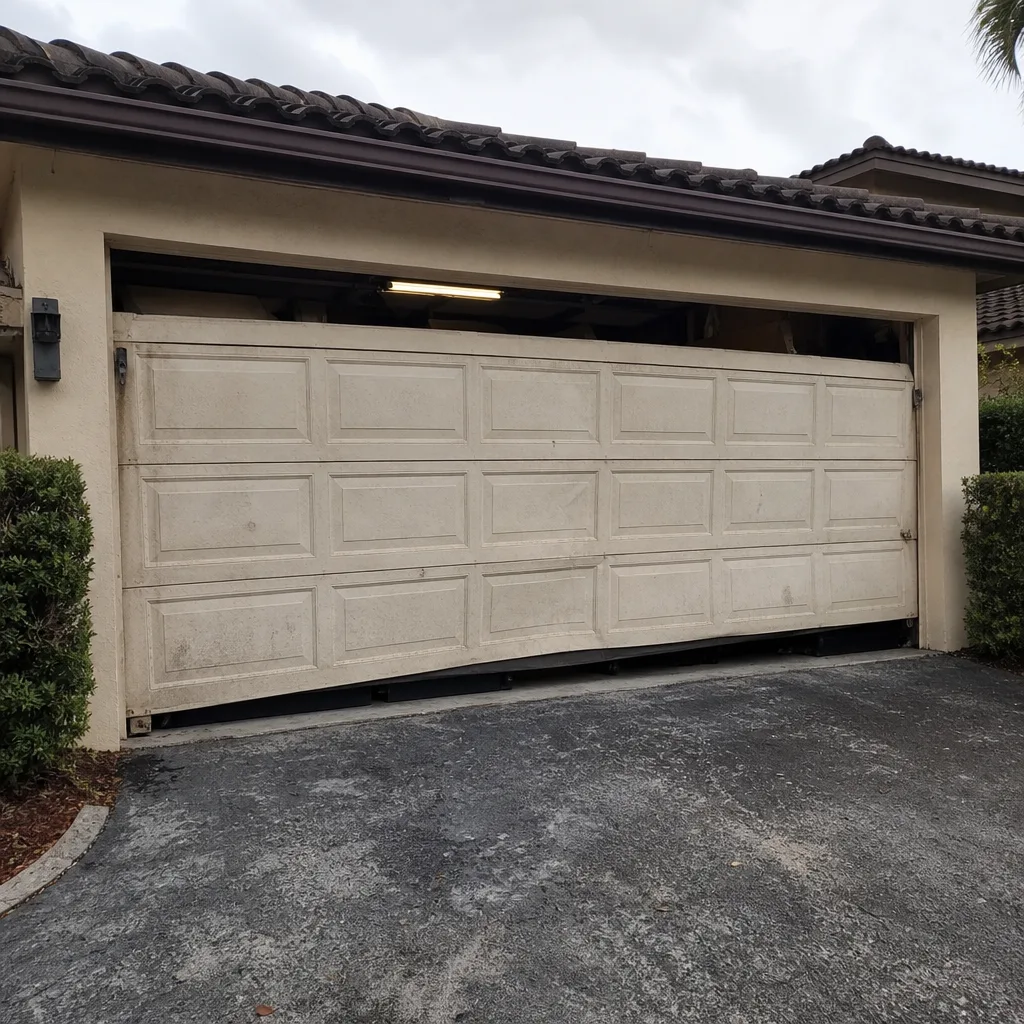 Before
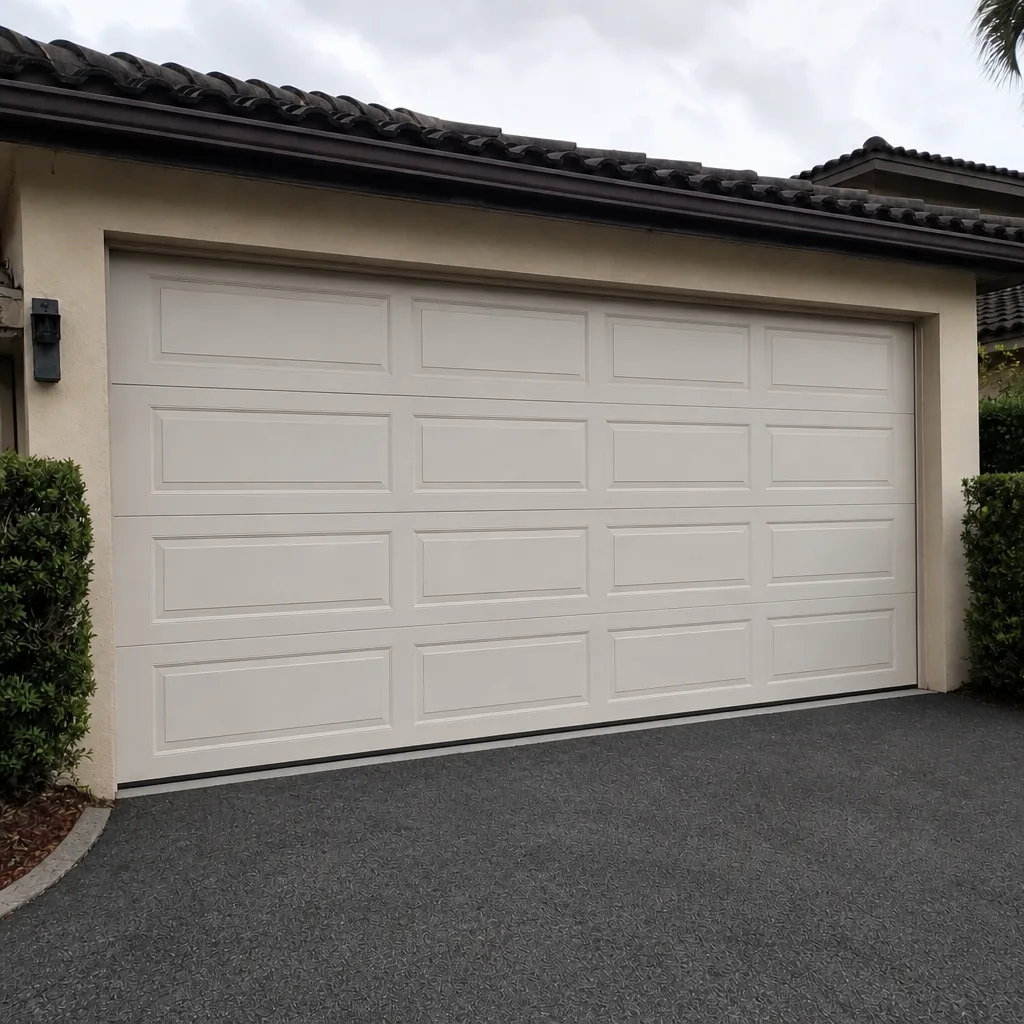 After
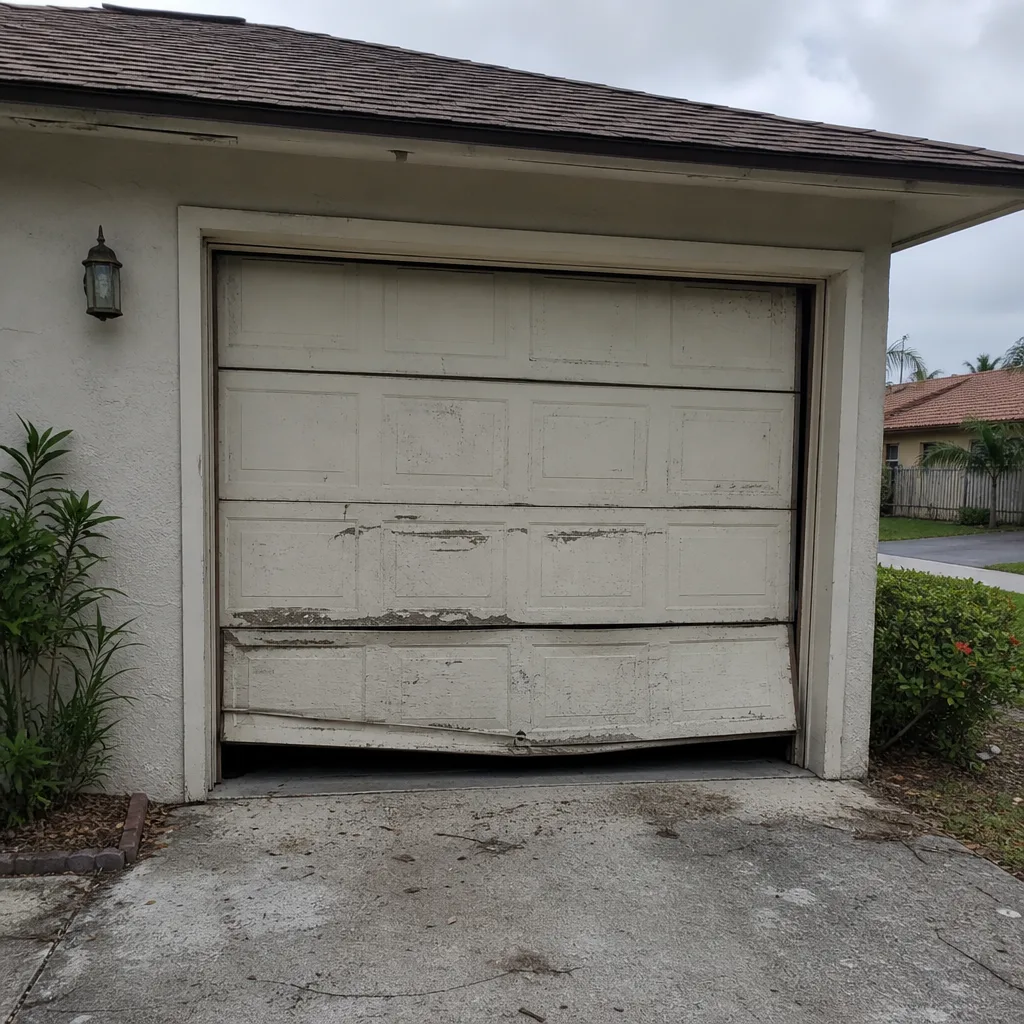 Before
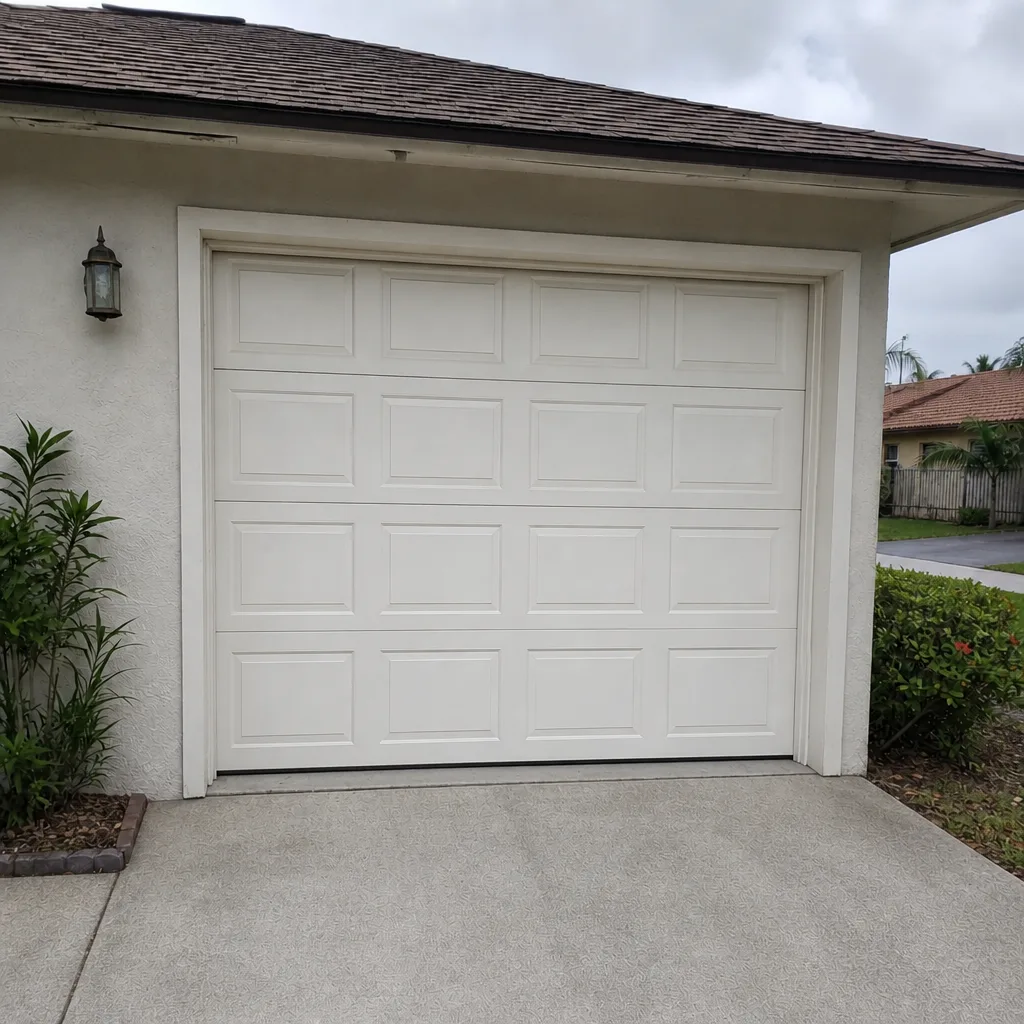 After
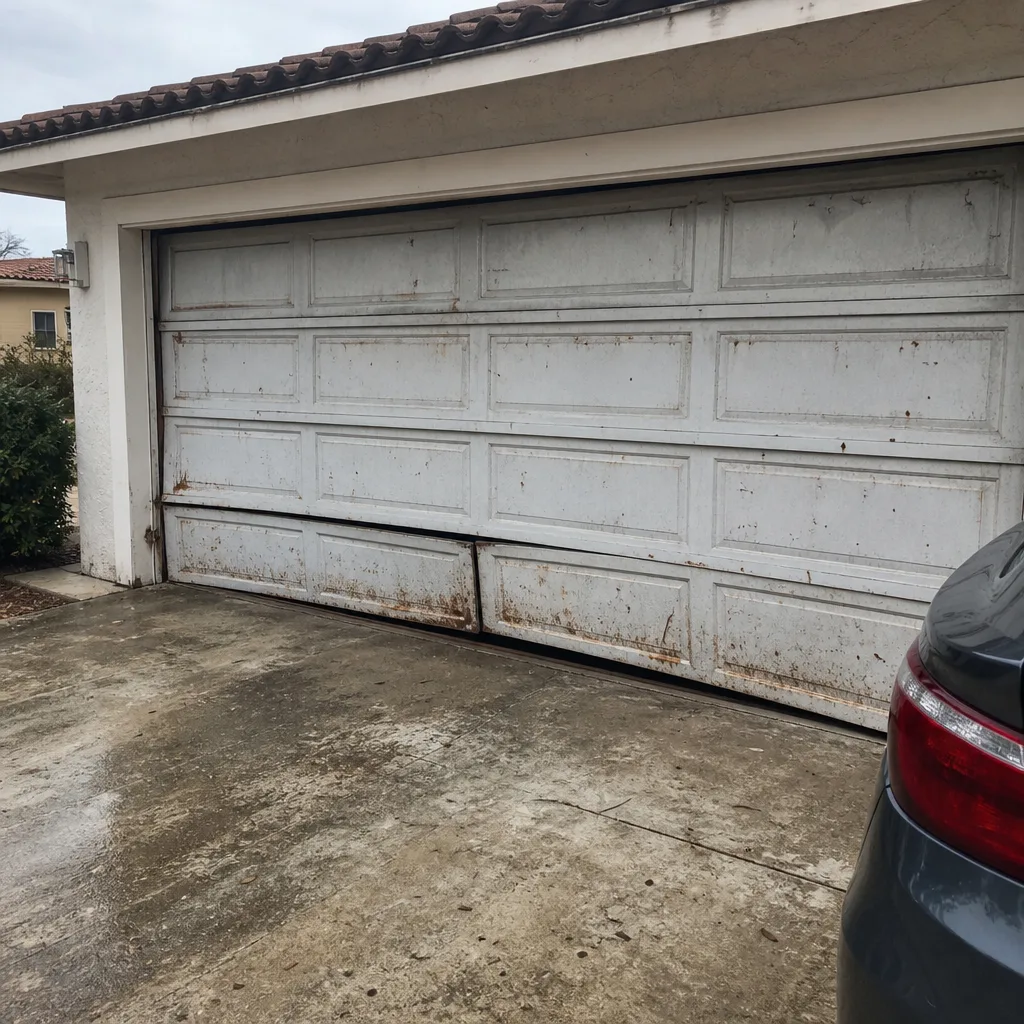 Before
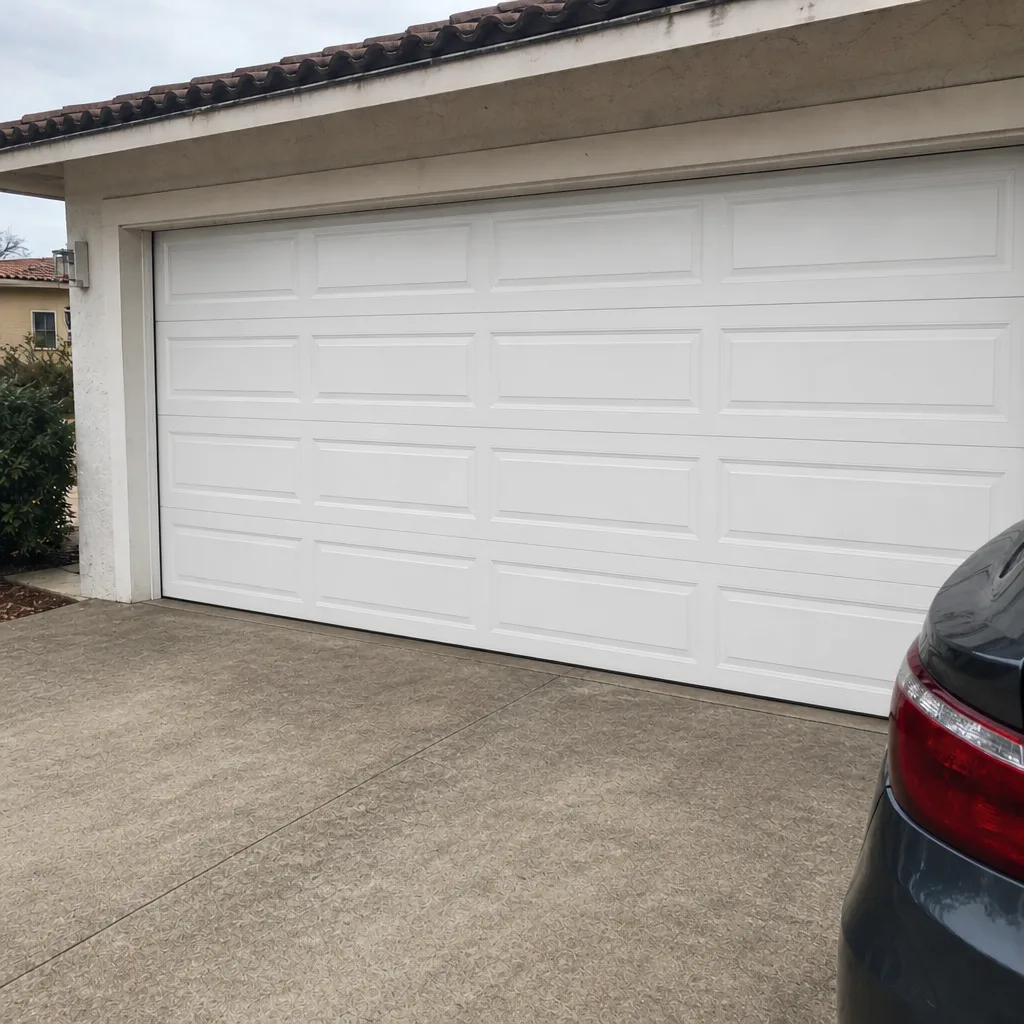 After