
Last updated November 20, 2026
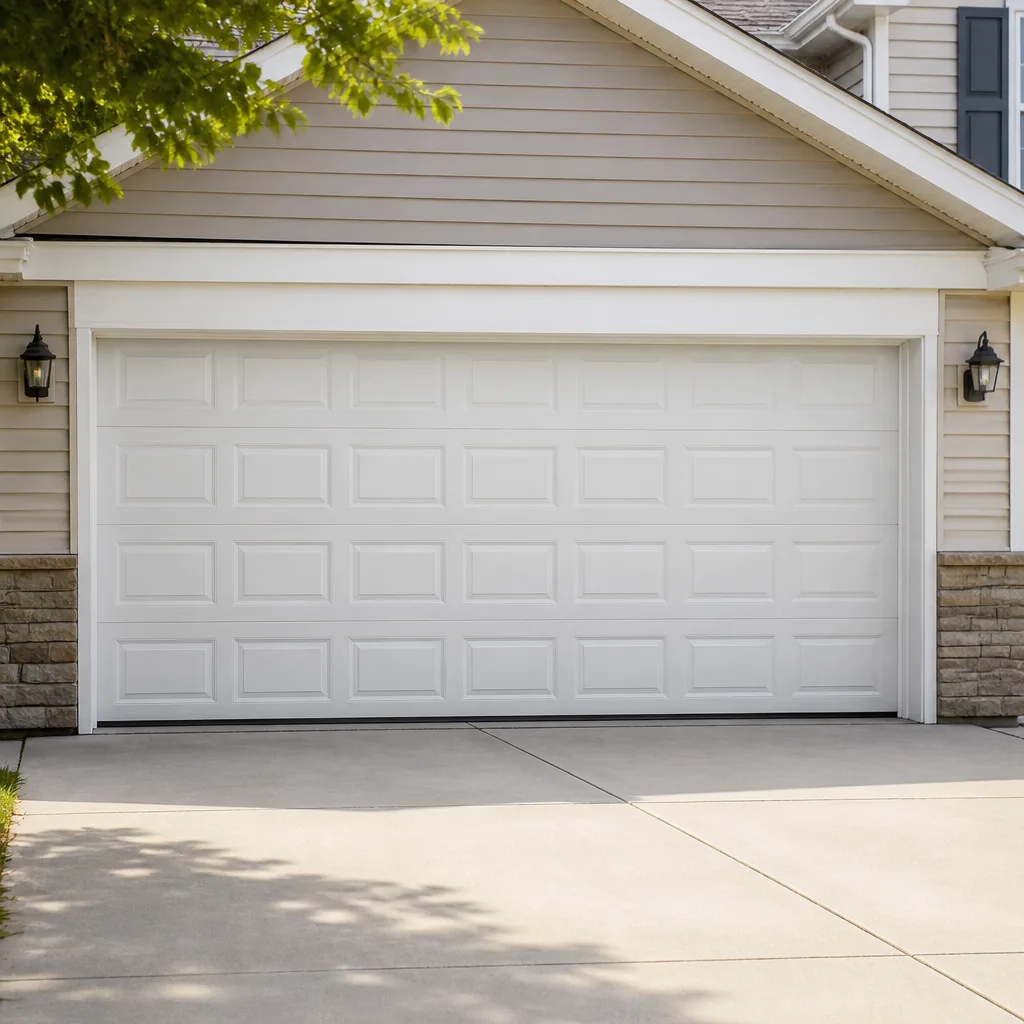 Raised-panel steel
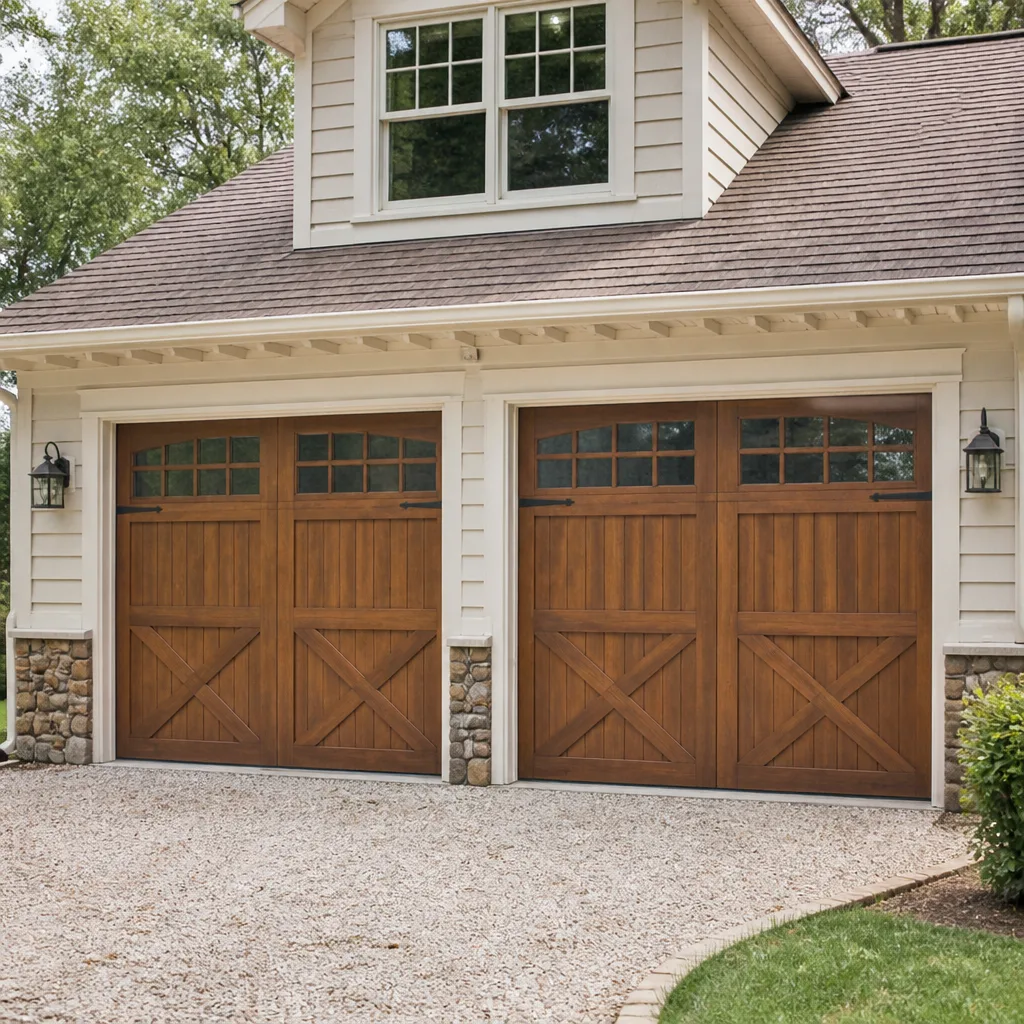 Carriage house
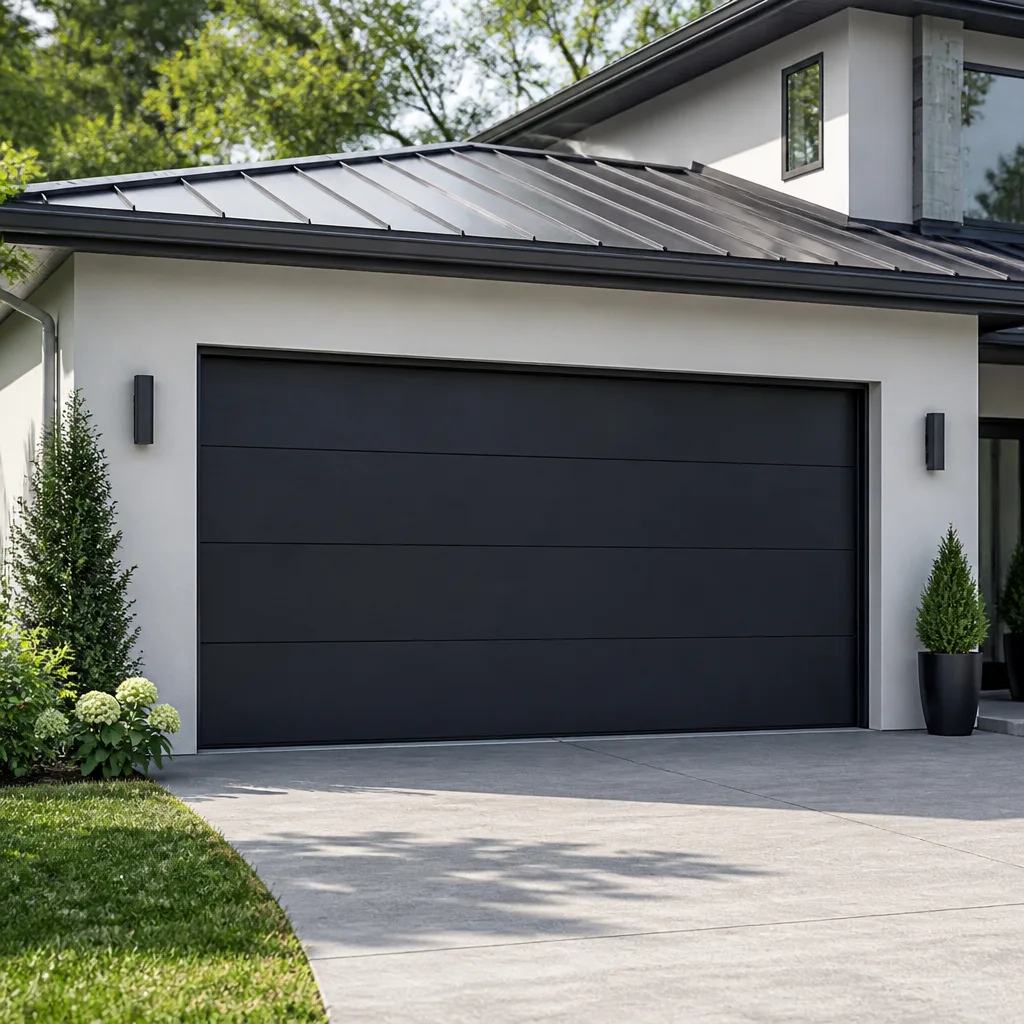 Modern flush
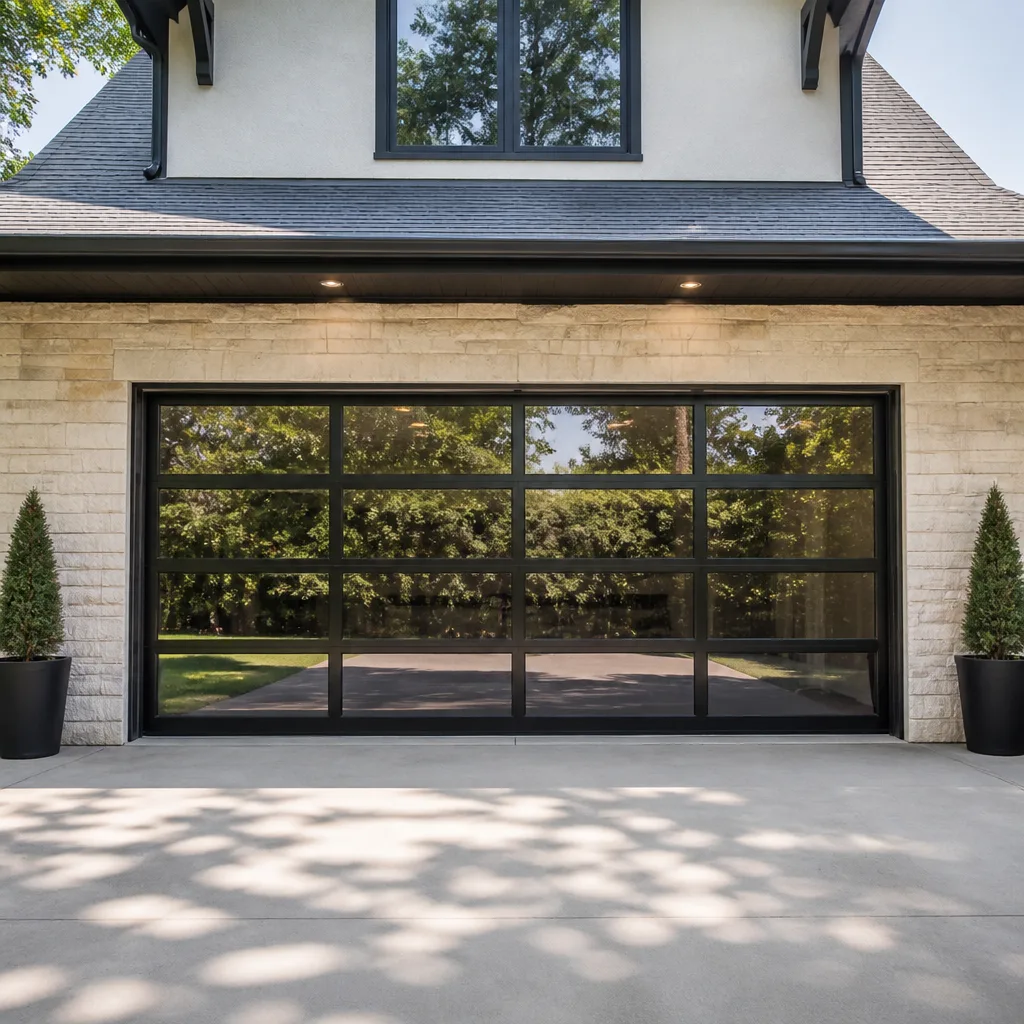 Full-view glass
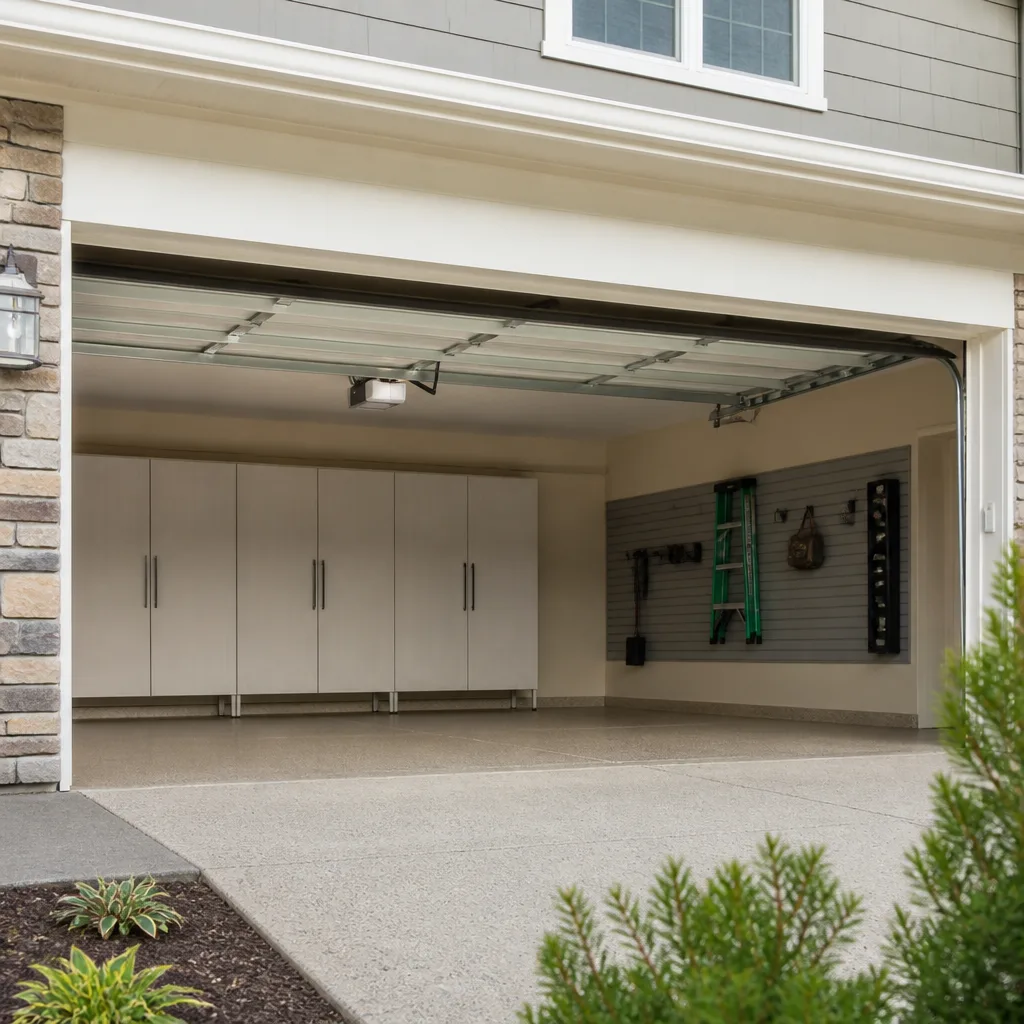 LiftMaster openers
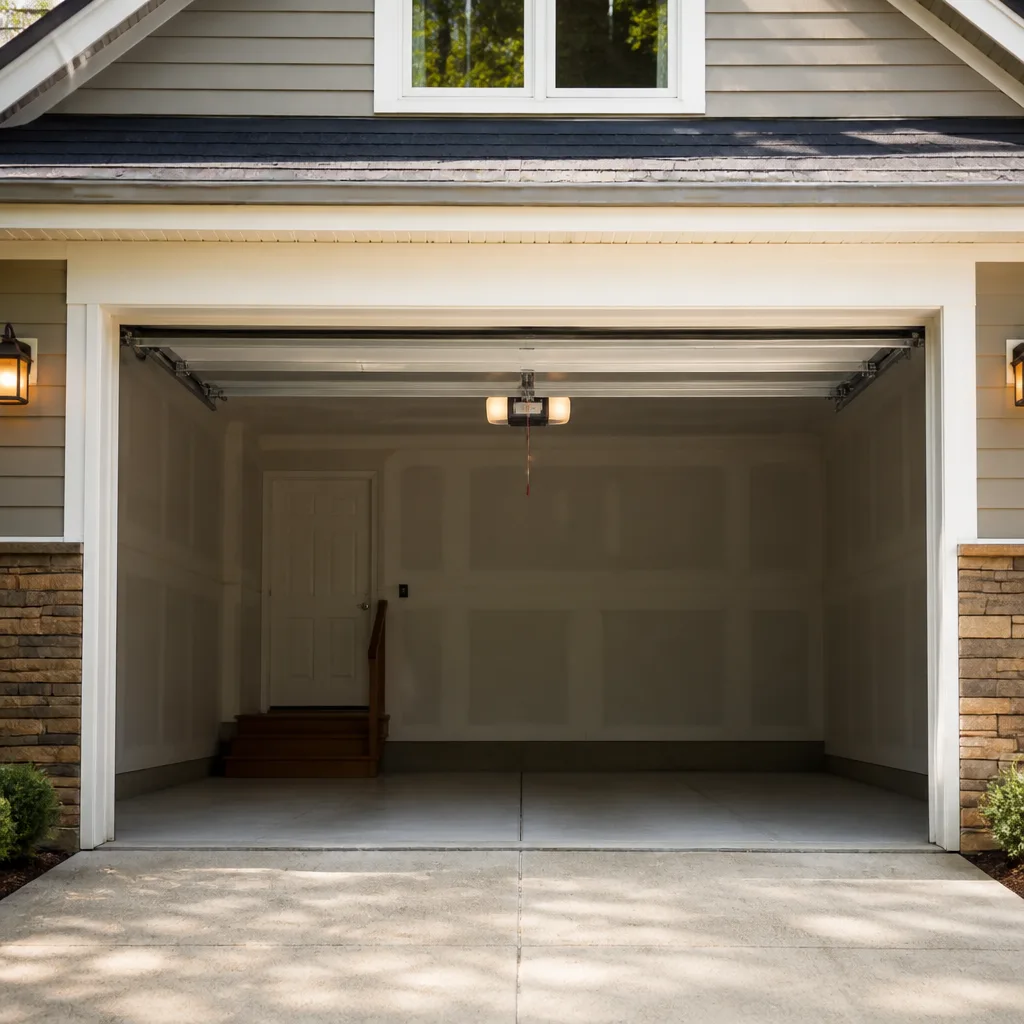 Chamberlain openers
Full 25-point door and opener safety check with every visit - springs, cables, rollers, tracks, and your LiftMaster or Chamberlain opener included
You get a price before we start. It does not change when the pro arrives.
Get your free estimateHow to Hire a Garage Door Contractor in Aventura: A Step-by-Step Guide
A contractor can hand you a business card with “licensed and insured” printed on it and still be operating on nothing more than a local business tax receipt. In Florida, that distinction costs homeowners real money when something goes wrong. Garage door springs store enough tension to cause serious injury, and the person who adjusts them is either accountable to a state or county licensing board or they aren’t. Most homeowners never check. This guide shows you exactly how to verify a license, read a Certificate of Insurance, spot the red flags common in Aventura’s transient contractor market, and get a quote that separates parts from labor. By the end you’ll know how to hire with your eyes open.
Quick Answer
To hire a garage door contractor in Aventura, verify the company holds a Florida State Certified or Miami-Dade County license through the Florida DBPR database, request a Certificate of Insurance naming you as certificate holder, insist on an in-person quote that separates parts from labor, and ask whether they use OEM or aftermarket parts before anyone touches a spring. Skip any of those four steps and you’re trusting a business card over a record.
Styles & brands we work with
- Raised-panel steel
- Carriage house
- Modern flush
- Full-view glass
- LiftMaster openers
- Chamberlain openers
Table of Contents
- Step 1: Verify the License, Not Just the Business Registration
- Step 2: Ask for a Certificate of Insurance That Names You
- Step 3: Recognize Aventura’s Transient Contractor Red Flags
- Step 4: Get a Quote That Separates Parts From Labor
- Step 5: Ask the One Parts Question That Separates Technicians From Swappers
- Step 6: Understand What Spring Work Really Requires
- Step 7: Choose Repair-First Over Replace-First
- Step 8: Confirm Brand Familiarity Before Booking
Step 1: Verify the License, Not Just the Business Registration
Garage door work in Florida falls under the broader category of specialty contracting, and the license a contractor holds determines who they answer to when a job goes wrong. A Florida State Certified license is issued at the state level through the Florida Department of Business and Professional Regulation (DBPR). A Miami-Dade County license, sometimes called a local or registered license, is issued by the county. Both are legitimate. A local business tax receipt is neither. It’s a tax document that allows a business to operate in a jurisdiction, and it says nothing about whether the holder has passed a trade exam, carried the required insurance, or completed any competency review.
Here’s how to check:
- Ask the contractor for their license number before you book. A legitimate specialty contractor knows it without looking.
- Go to the DBPR license lookup at myfloridalicense.com. Search by license number, then by name, and cross-check both.
- Confirm the license status reads “Current” or “Active,” not “Delinquent” or “Null and Void.”
- Confirm the license category covers the work – garage door installation and repair is specialty work, not general contracting.
- For a county license, call Miami-Dade’s contractor licensing office and confirm the number is active.
Five minutes on the DBPR site separates a real contractor from a card printer. Our technicians have up to 13 years of experience, and every job we connect you with is performed by a local pro who is licensed and insured as their state requires. When we’re asked for a license number, the answer is immediate and verifiable. That’s the standard you should hold every contractor to in Aventura.
Step 2: Ask for a Certificate of Insurance That Names You
“Insured” on a business card means nothing. Insurance is a document. Ask for it.
The Certificate of Insurance (COI) is the one-page summary your contractor’s insurance carrier issues showing general liability coverage and, if they have employees, workers’ compensation. What most homeowners miss is the certificate holder box. If you’re the one having work done on your property, ask to be named as the certificate holder on the COI. That’s not a demand; it’s a standard request any legitimate contractor will handle in a day. If a contractor balks at adding you as certificate holder, treat that as the answer it is.
Two coverages matter most for garage door work:
- General liability covers damage to your property – a panel, a track, the frame of your garage opening – if something goes wrong on the job.
- Workers’ compensation covers the workers themselves if they’re injured on your property. Without it, an injury during the job can become a claim against your homeowner’s policy.
Call the phone number on the COI and confirm the policy is active. Certificates can be fabricated, but a carrier’s phone line can’t confirm a policy that doesn’t exist. In a market like Aventura where a lot of work runs through homeowners associations and property management companies, the COI requirement is common enough that any contractor should recognize it. If they don’t, they’re not working at that level.
Step 3: Recognize Aventura’s Transient Contractor Red Flags
Aventura’s building stock is a mix of older condos and single-family homes, with a steady stream of seasonal residents and turnover in rentals. That pattern attracts contractors who show up after a storm or a referral and disappear if the job goes wrong. None of these red flags is proof of fraud on its own, but two or three together should stop the conversation.
- An out-of-area phone number. Not disqualifying by itself, but combined with no local address it’s a signal. Ask for the business address and cross-check it on the county property appraiser’s site.
- No physical address or a PO box only. A legitimate contractor has a place of business. A mailbox-only operation gives you no recourse if you need to escalate.
- A quote over the phone. A garage door problem has to be seen. A door that’s binding could be a bent track, a broken spring, or a mis-adjusted opener limit – and the fix is different in each case. Any contractor who quotes a spring replacement without looking at the door is guessing.
- A request for full payment upfront. A deposit on parts is normal. Full payment before work starts is not.
- Pressure to replace the whole door. If the first proposal is a full replacement and no repair option is mentioned, ask why. A repair-first contractor explains what can be fixed before selling you a new door.
- No written estimate. Every price you accept should be on paper, itemized, before anyone starts work.
In Aventura, where garage doors are part of the street-facing façade on many homes, a bad installation can also become an HOA problem. Ask whether the contractor has worked under HOA review in the city before – it’s a quick way to learn whether they understand the paperwork side.
Step 4: Get a Quote That Separates Parts From Labor
The quote you want has two numbers on it: labor and parts, itemized. A single lump-sum figure hides where the money is going, and it’s the easiest way for a contractor to mark up a $40 part to $180 without anyone noticing.
Ask for the estimate in this format:
- Labor – hours estimated and hourly or flat rate.
- Parts – each item listed by name and brand, with quantity and price.
- Disposal or haul-away – if the old springs or hardware are being removed.
- Tax – a line item, not folded into the total.
Compare quotes using the parts list, not the total. A quote with aftermarket springs at $60 each and one with OEM springs at $120 each can’t be compared on the bottom line. Ask which brand each quote is specifying, and confirm whether installation hardware, cables, and bearing plates are included or extra. A quote that lists “springs, cables, tune-up” as one item is telling you they don’t want you to see the breakdown.
The price you accept is the price you pay. The written estimate sets the final number. If a contractor’s total grows after the job starts without a documented reason you approved in advance, stop the work and get it in writing. For a full breakdown of what a typical repair looks like on paper, see our guide to garage door repair in Aventura.
Step 5: Ask the One Parts Question That Separates Technicians From Swappers
Ask this before booking: “Do you use OEM parts or aftermarket, and can you show me the brand on the estimate?”
OEM means Original Equipment Manufacturer – the parts made by the company that made your door or opener. Aftermarket means a compatible part made by a third party. Both can work. The difference is fit, longevity, and whether the part matches the tolerances of your system. A technician will tell you which they use and why. A parts-swapper will tell you “the good ones” and change the subject.
The question matters most on three components:
- Springs. A spring is sized by wire gauge, inside diameter, and length. A spring that’s close but not exact will fail faster than the original. Ask whether the replacement is matched to the door’s weight.
- Openers. Openers are matched to door weight and track type. An aftermarket logic board or gear kit on a Genie or a LiftMaster unit can cause limits to drift and the door to reverse unpredictably. For more on this, see our garage door opener repair page.
- Panels and hardware. A Clopay or Amarr panel is matched to a specific door profile. Aftermarket panels sometimes don’t align with the existing section, which shows at the seams and can affect how the door seals.
A contractor who can name the brand on the estimate and explain the fit is a technician. One who can’t is hoping you won’t ask. We work on the brand you already have, and we can tell you before the job whether an OEM part is available for it.
Step 6: Understand What Spring Work Really Requires
Springs are the most dangerous part of any garage door system. This is not a DIY repair, and a contractor who treats it lightly is telling you something about how they work. A torsion spring under tension can cause serious injury in a fraction of a second, and the tools and technique involved aren’t something you can learn from a video.
What a competent spring job looks like:
- The door is weighed or the spring is matched to it. Springs come in specific wire gauges and lengths for a reason. A spring that’s too strong or too weak will fail prematurely or leave the door unbalanced.
- Both springs are typically replaced together. If one spring fails, the matching spring is usually near the end of its cycle life. Replacing one and leaving the other is a short-term fix. Expect a matched pair to cost about twice the price of a single spring.
- Cables and drums are inspected, not just the spring. A cable that’s frayed or a drum that’s worn will fail soon after a new spring goes in.
- The door is balanced and tested after installation. The door should stay in place when lifted halfway. A spring job that leaves the door drifting down wasn’t finished.
On pricing: a single spring repair is typically quoted in a defined range, and a matched pair in roughly double that. The written estimate sets the final price, and we quote it before any work begins. Call (877) 522-1812 for an exact quote – estimates are free. For a full pricing guide, see our garage door spring repair page.
Step 7: Choose Repair-First Over Replace-First
The most expensive hire is the one that replaces a door that only needed a repair. In our experience, a lot of garage door “replacements” sold to Aventura homeowners start with a failed spring, a mis-adjusted opener, or a bent track that could have been fixed.
Here’s how to tell the difference between a repair-first contractor and a replace-first one:
- Ask what can be fixed. A repair-first contractor names the specific components that failed and what each would cost to replace individually.
- Ask why replacement is being recommended. “The door is old” is not a reason. A door that panels are still available for, tracks that are straight, and an opener that’s still functioning is a repair, not a replacement.
- Ask what happens to the existing hardware. A replacement quote usually includes new springs, cables, tracks, and opener – all items you may already have in working condition.
- Ask about the brand. If your door is a Clopay or a Wayne Dalton and the panels are still available, a repair is possible. If the brand has been discontinued, replacement moves up the list – but a good contractor will tell you that, not sell you on it.
One trade, done right. A garage door specialist who does nothing else sees the difference between a repair and a replacement every day. A general handyman who also does fences and drywall is unlikely to catch it.
Step 8: Confirm Brand Familiarity Before Booking
Your door and opener are a system, and a contractor who’s never worked on your brand is learning on your door. Before you book, ask which brands the technician has worked on recently. This isn’t a trick question. A specialist will answer immediately.
We service eight of the most widely owned brands in the industry – LiftMaster, Chamberlain, Genie, Clopay, Amarr, Wayne Dalton, Craftsman, and Raynor. That range matters because it covers both of the leading smart-home-compatible opener families (LiftMaster/Chamberlain and Genie), which is where most upgrades land. Whether your opener is a Genie chain drive or a LiftMaster belt drive, the technician who shows up knows the logic board, the limits, and the safety reverse behavior before touching the door.
For an opener, the brand question also has a practical edge: a contractor who’s unfamiliar with a specific opener may recommend replacement when a gear kit or a logic board swap would have fixed it. Our garage door opener repair work covers both brand families, and we work on the brand you already have rather than steering you toward a new unit. Your opener, your brand, our expertise – that’s the point of a single-trade specialist.
Common Mistakes to Avoid
- Accepting “licensed and insured” without the license number. A business card is not a license. Ask for the number, then verify it on the DBPR site. In Aventura’s market, the difference between a licensed contractor and a registered business is the difference between a worker’s comp claim on their policy and one on yours.
- Taking a phone quote on a spring or opener problem. The same symptom can mean three different repairs. A contractor who prices the job without seeing it is either guessing or hoping you won’t compare the invoice to the quote.
- Booking a contractor with an out-of-area number and no local address. Aventura’s seasonal turnover means a contractor who isn’t local can be gone before the warranty period ends. Get an address and a verifiable license, not a cell number.
- Replacing the whole door when the spring or opener is the problem. If the door panels are intact and the tracks are straight, most failures are a component repair. Ask what can be fixed before you consider replacement.
- Not asking about OEM versus aftermarket parts. A $60 aftermarket spring and a $120 OEM spring look the same on the invoice. Ask which brand is being installed and what the fit difference is.
- Letting the estimate grow without a written change. If the scope changes mid-job, the contractor should write a new line item and get your approval before continuing. Verbal “while we’re in there” additions are the most common source of invoice surprises.
- Skipping the balance test after a spring repair. A door that doesn’t stay in place when lifted halfway isn’t finished. Test it yourself before the technician leaves.
See the difference
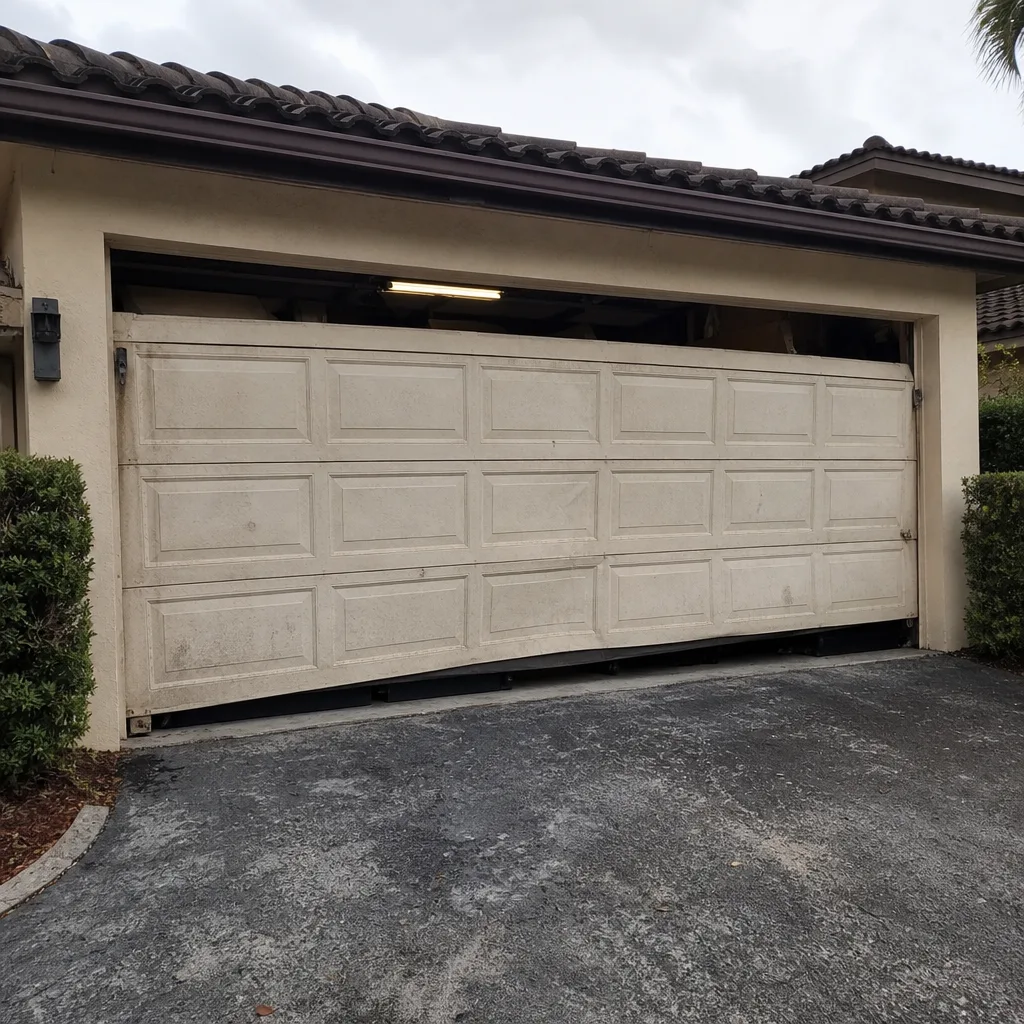 Before
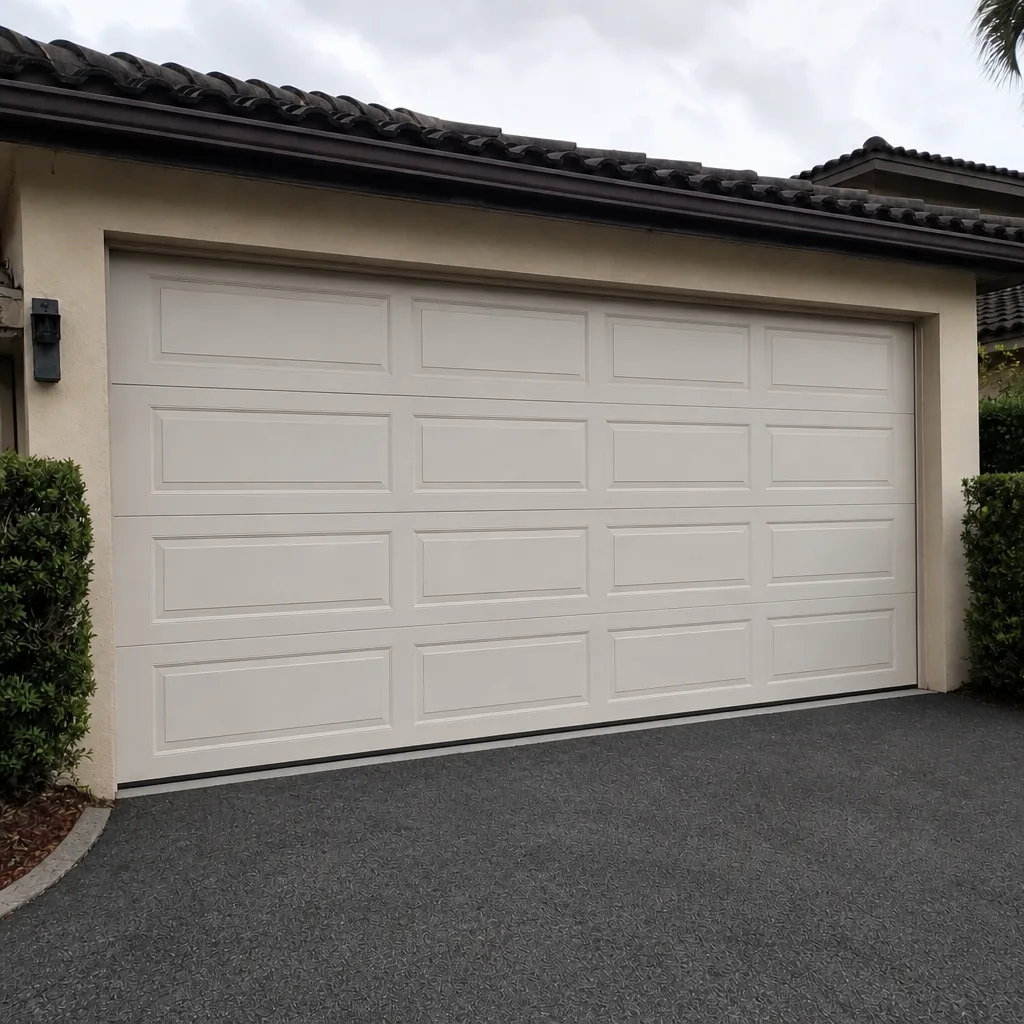 After
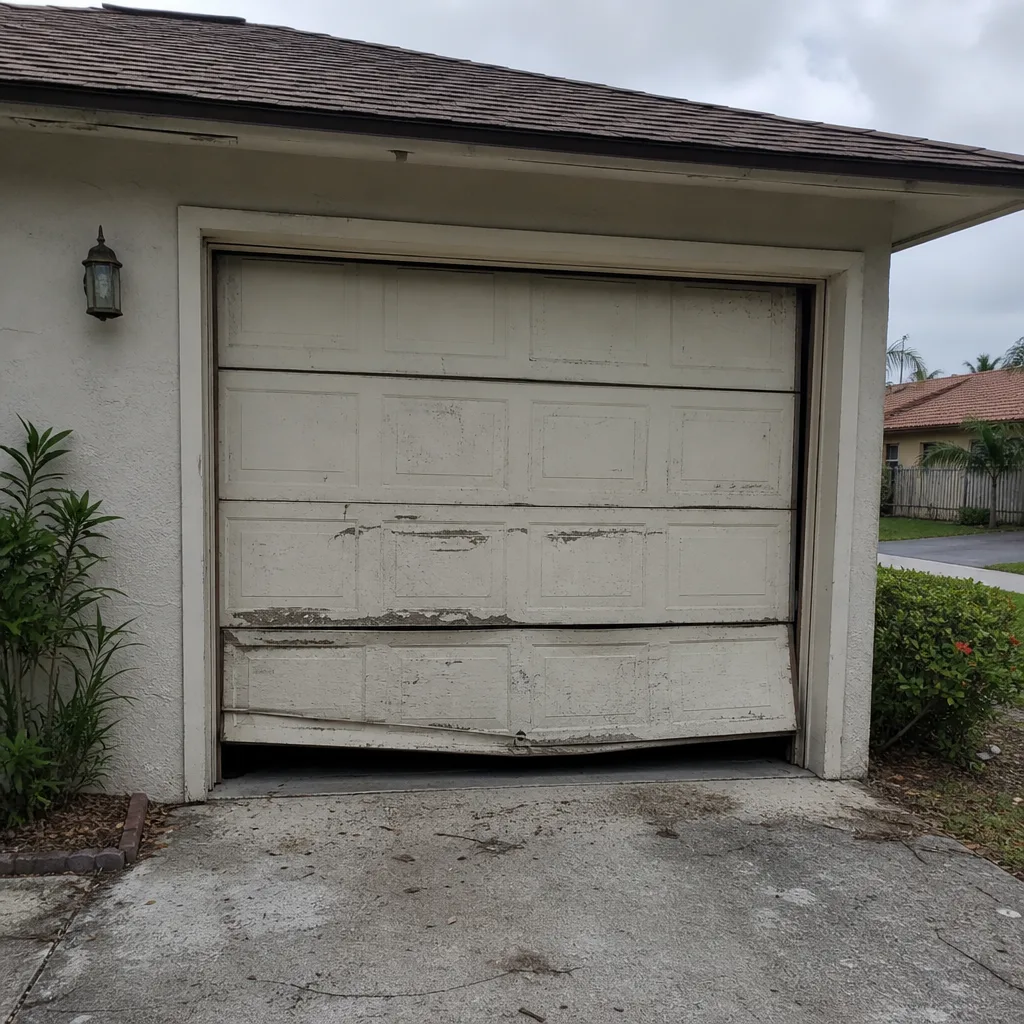 Before
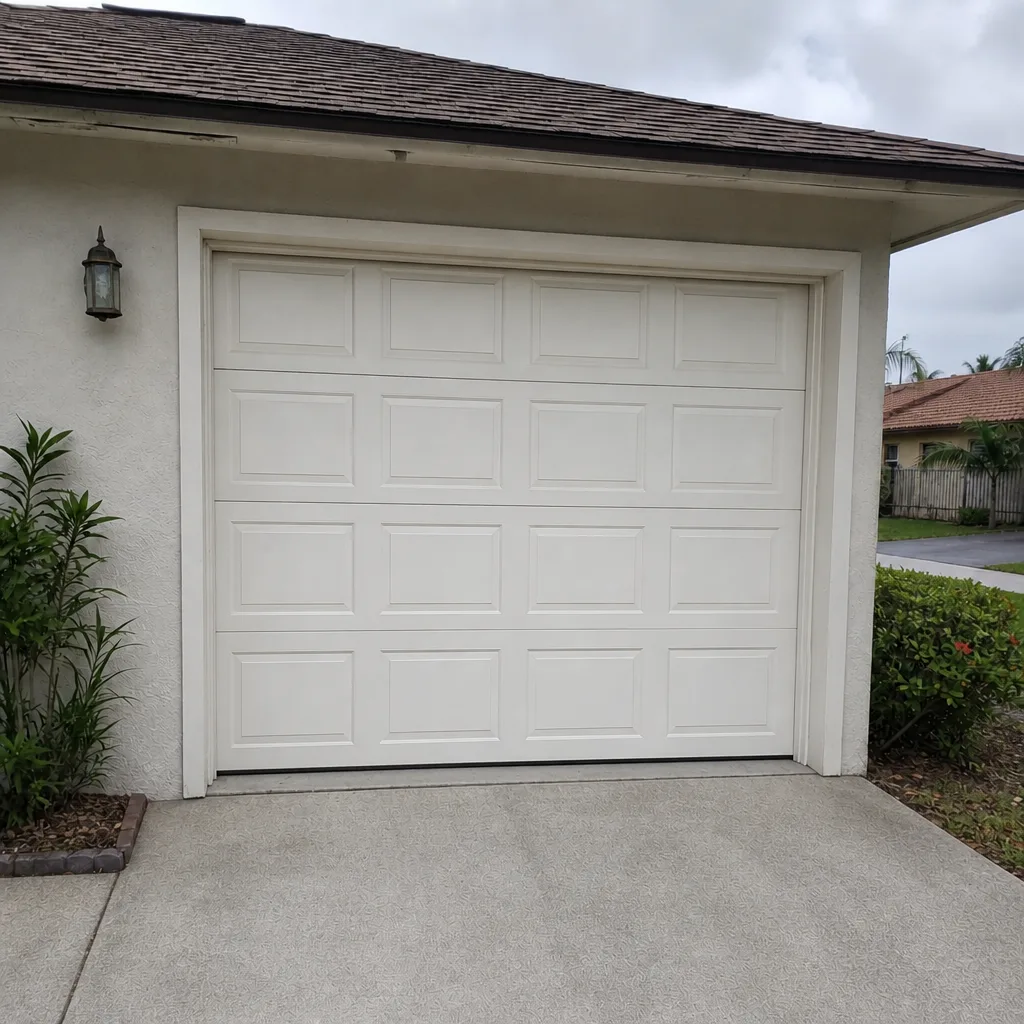 After
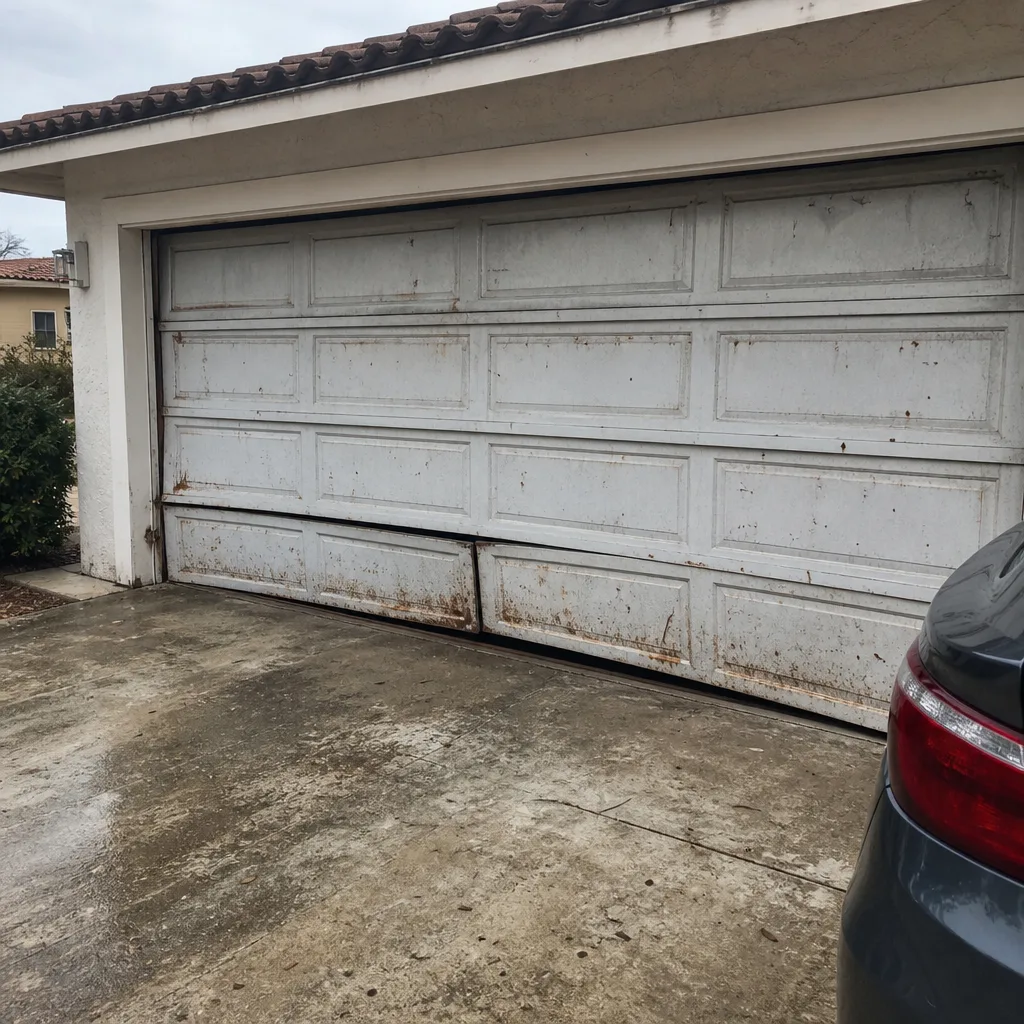 Before
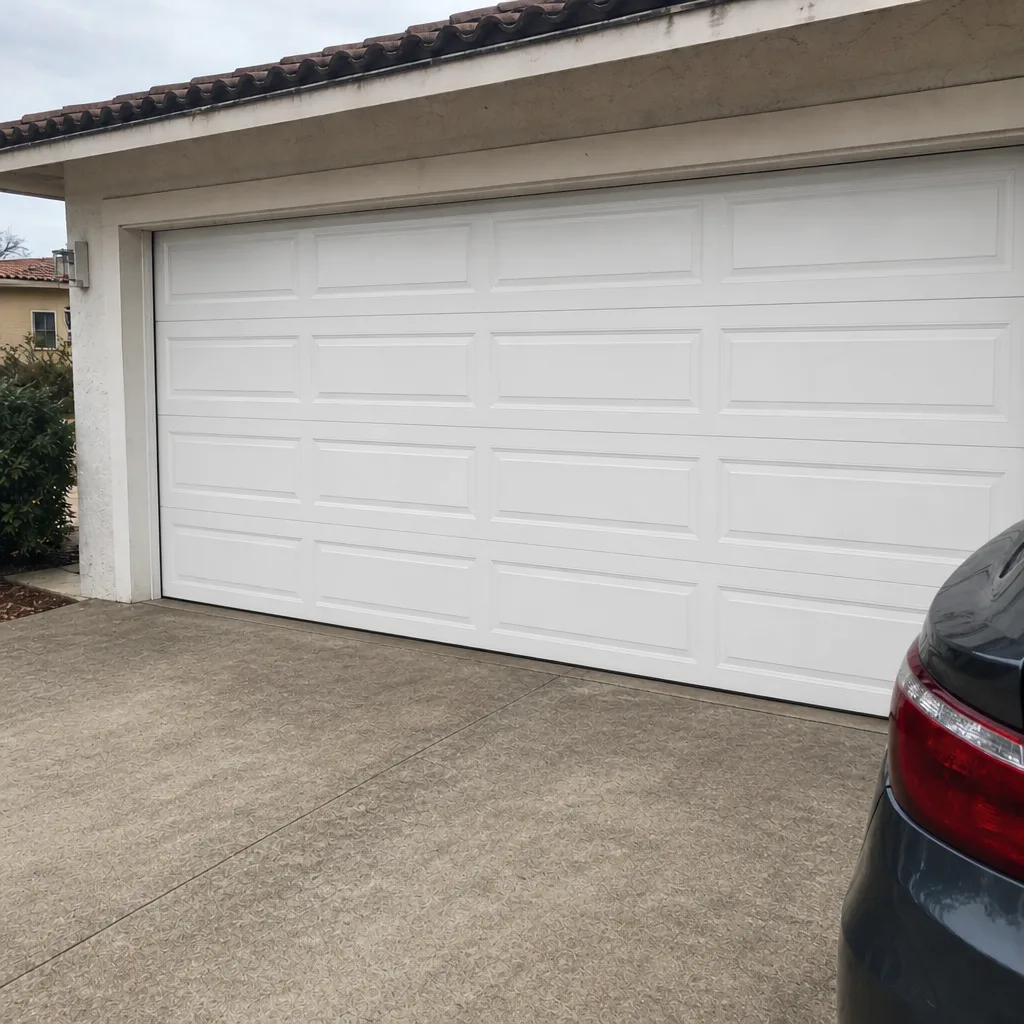 After
When to Call a Professional
If the door won’t open, the opener runs but the door doesn’t move, or you hear a snap and the door drops hard, call a technician. Those symptoms point to a broken spring, a stripped gear, or a snapped cable – none of which is a homeowner repair. High-tension springs, in particular, should only be handled by a trained professional. If the door is off its track, binding, or reversing unpredictably, stop using it and get it looked at before the opener is damaged. The same applies to a door that’s visibly sagging or that won’t seal at the bottom. Aventura Garage Door Repair offers free estimates in Aventura – call (877) 522-1812. We answer 24/7, and fast dispatch from 7am to 7pm runs Sunday through Friday.
Frequently Asked Questions
Ask for the license number, then look it up on the Florida DBPR site at myfloridalicense.com. Search by license number and by the contractor’s name, and confirm the status reads “Current” or “Active.” For a Miami-Dade County license, call the county’s contractor licensing office to confirm. A local business tax receipt is not a license and doesn’t cover this work. If a contractor can’t produce a number for you to check, book someone else.
Ask for a Certificate of Insurance and confirm the policy is active by calling the carrier’s number on the certificate. Request to be named as the certificate holder so the certificate records your property. Check for general liability coverage and, if the contractor has employees, workers’ compensation. “Insured” on a business card is a claim. The COI is the document. Call (877) 522-1812 for an exact quote on any garage door work – estimates are free.
A single spring repair is typically quoted within a defined range, and a matched pair is usually about twice that. The written estimate sets the final price, and we quote it before any work begins. If the scope changes once the door is opened, the technician should write a new line item and get your approval before continuing. Call (877) 522-1812 for an exact quote – estimates are free.
We answer 24/7, and fast dispatch from 7am to 7pm runs Sunday through Friday. Same-day service is often possible on repair calls. Call (877) 522-1812 and we’ll tell you the next available window. If you reach us outside dispatch hours, the call is booked into the next opening. For scheduled installation or replacement work, we’ll set up a free measure and a written price instead.
Yes. The local professional we connect you with is licensed and insured as the state requires. Ask for the license number and the Certificate of Insurance before the job starts, and verify both. A legitimate contractor will provide them without hesitation. Our technicians have up to 13 years of experience working on garage door systems, including high-tension spring repair.
We work on LiftMaster, Chamberlain, Genie, Clopay, Amarr, Wayne Dalton, Craftsman, and Raynor. That covers both of the leading smart-home-compatible opener families (LiftMaster/Chamberlain and Genie), so whether your opener is a Genie or a LiftMaster, the technician arrives familiar with it. Call (877) 522-1812 to confirm availability for your specific model. For a fuller overview, see Aventura Garage Door Repair.
The Bottom Line
Hiring a garage door contractor in Aventura comes down to four verifications: the license number, the Certificate of Insurance, a written itemized quote, and the OEM-versus-aftermarket answer. Everything else is marketing. A contractor who passes all four is a contractor you can hand your garage to. A contractor who doesn’t pass is a contractor you should thank and dismiss. Get the license number and verify it on the DBPR site. Get the COI and call the carrier. Get the quote in writing that separates parts from labor. And remember: springs are the most dangerous part of any garage door system – this is not a DIY repair. When you’re ready to book, call (877) 522-1812 for a free estimate. We answer 24/7, with fast dispatch from 7am to 7pm, Sunday through Friday.
Written by the team at Aventura Garage Door Repair.