
Last updated November 20, 2026
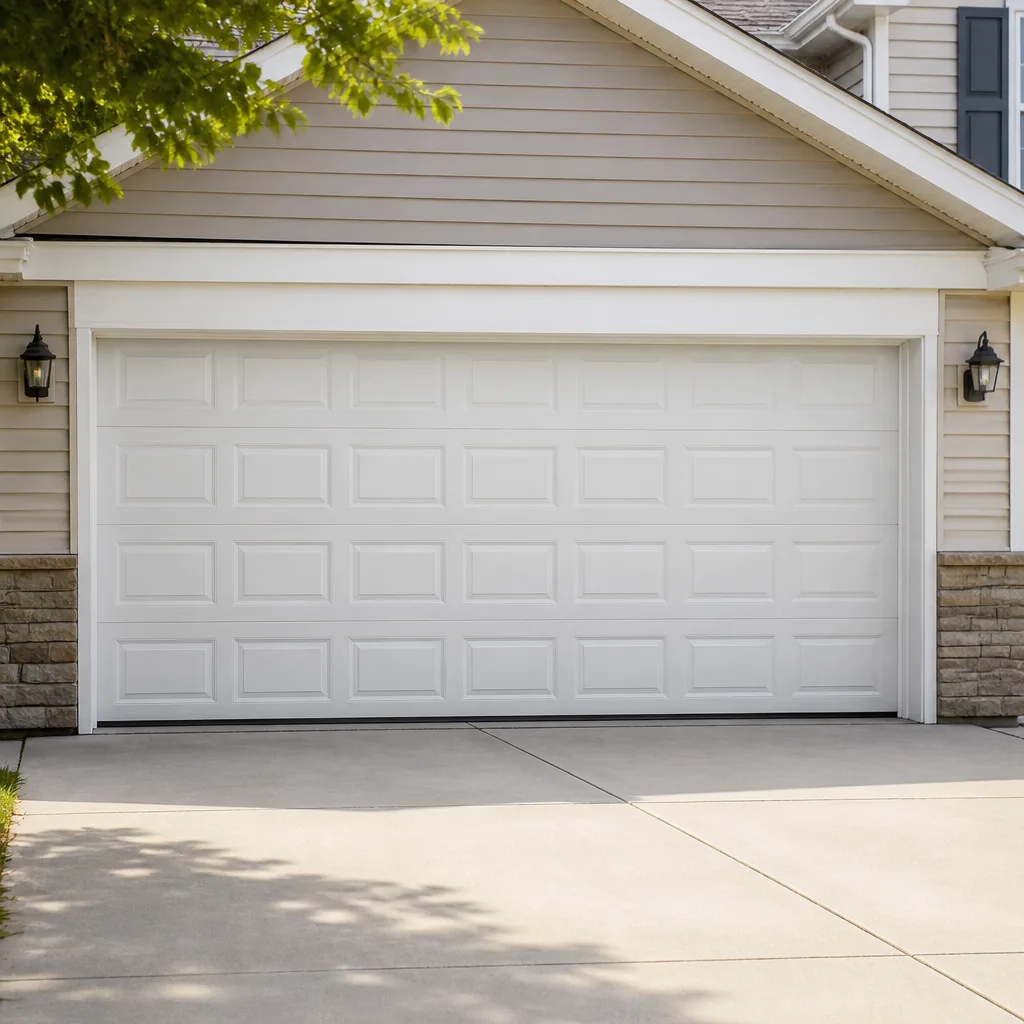 Raised-panel steel
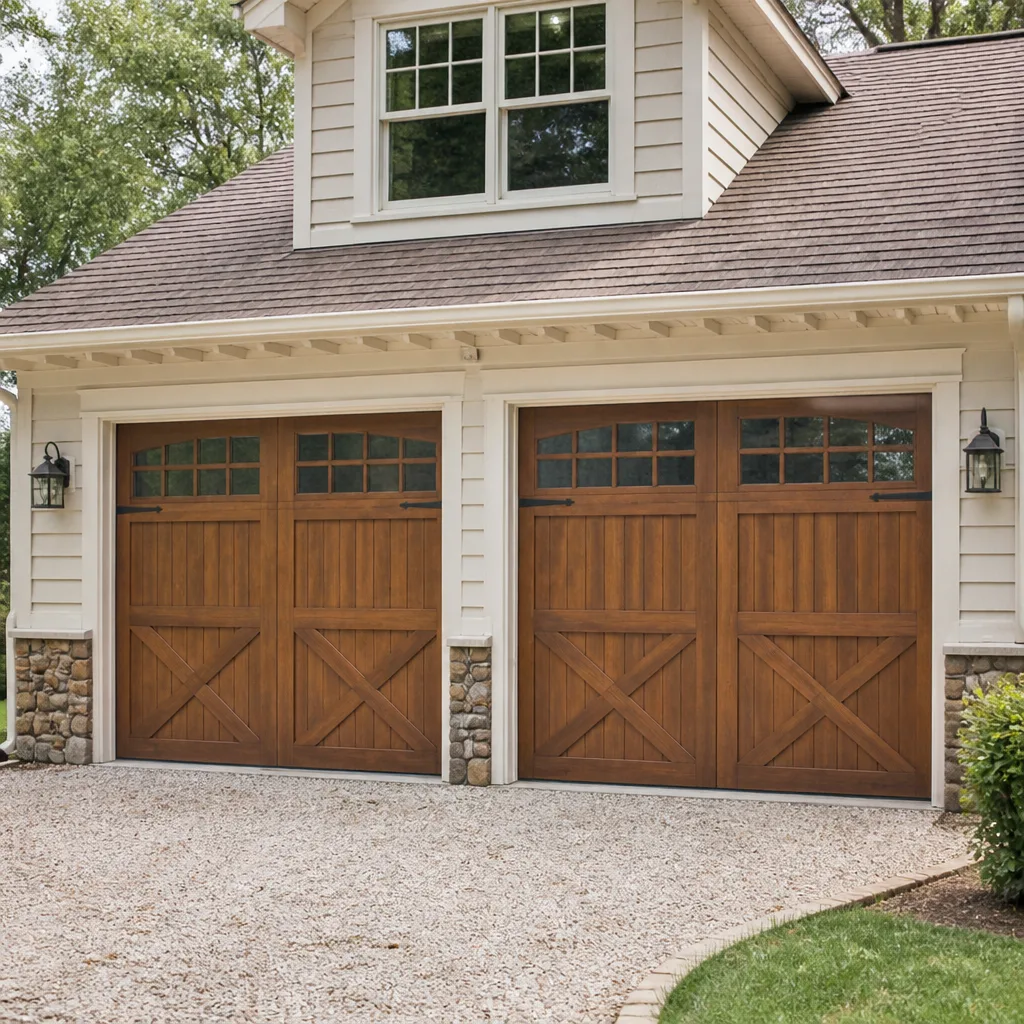 Carriage house
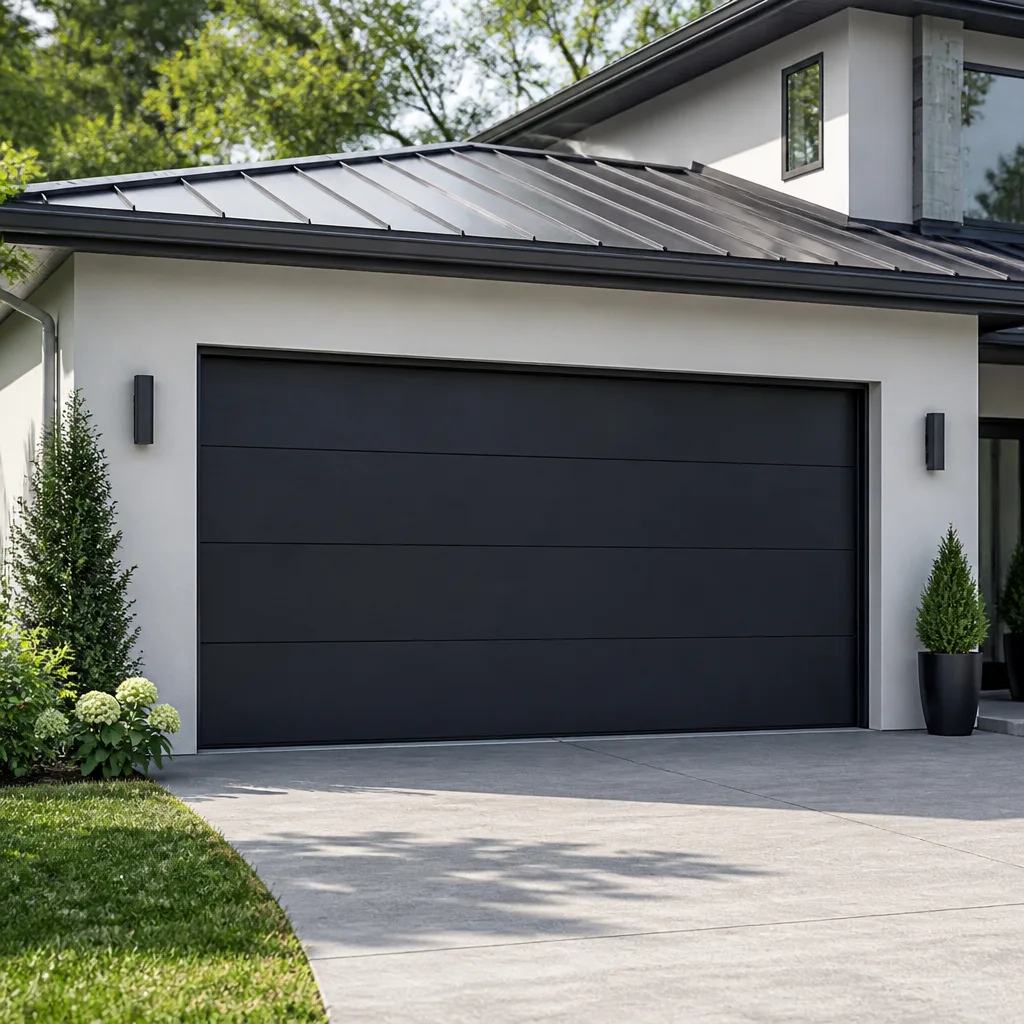 Modern flush
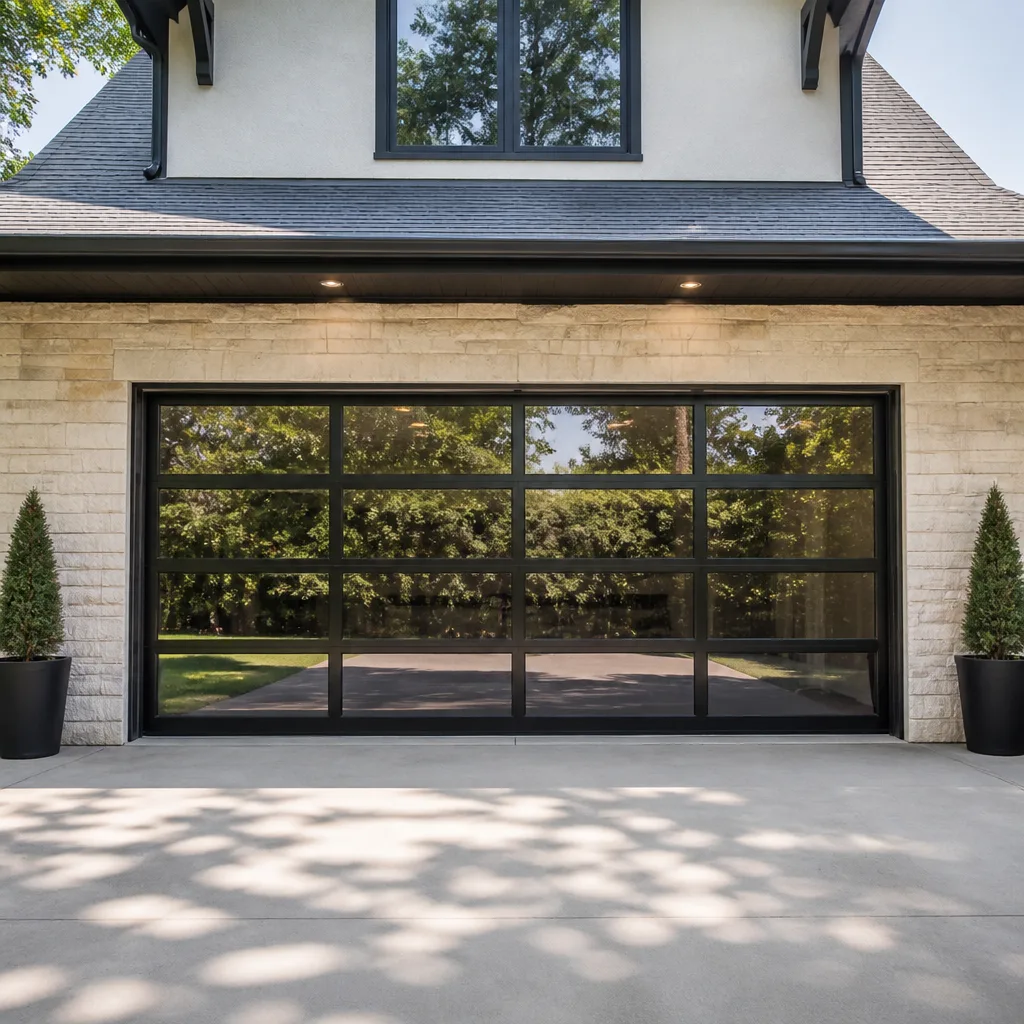 Full-view glass
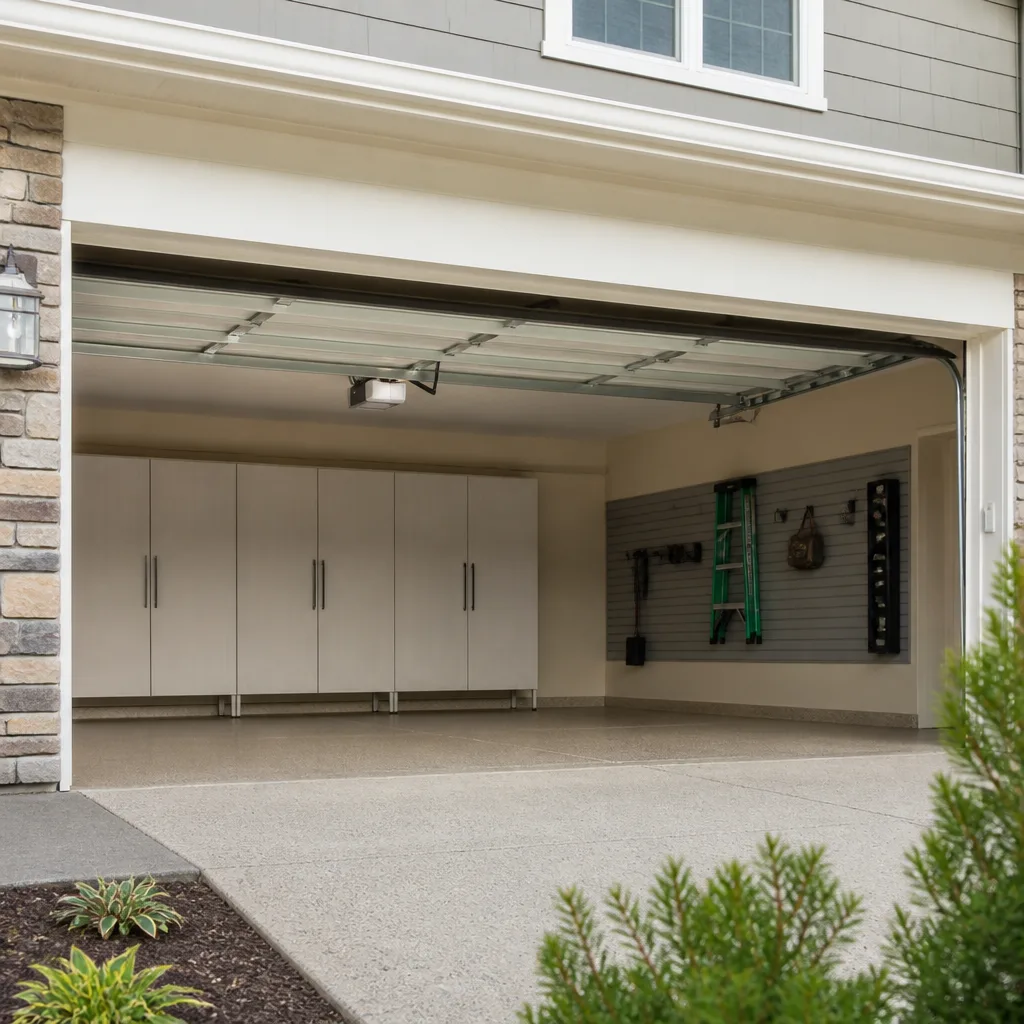 LiftMaster openers
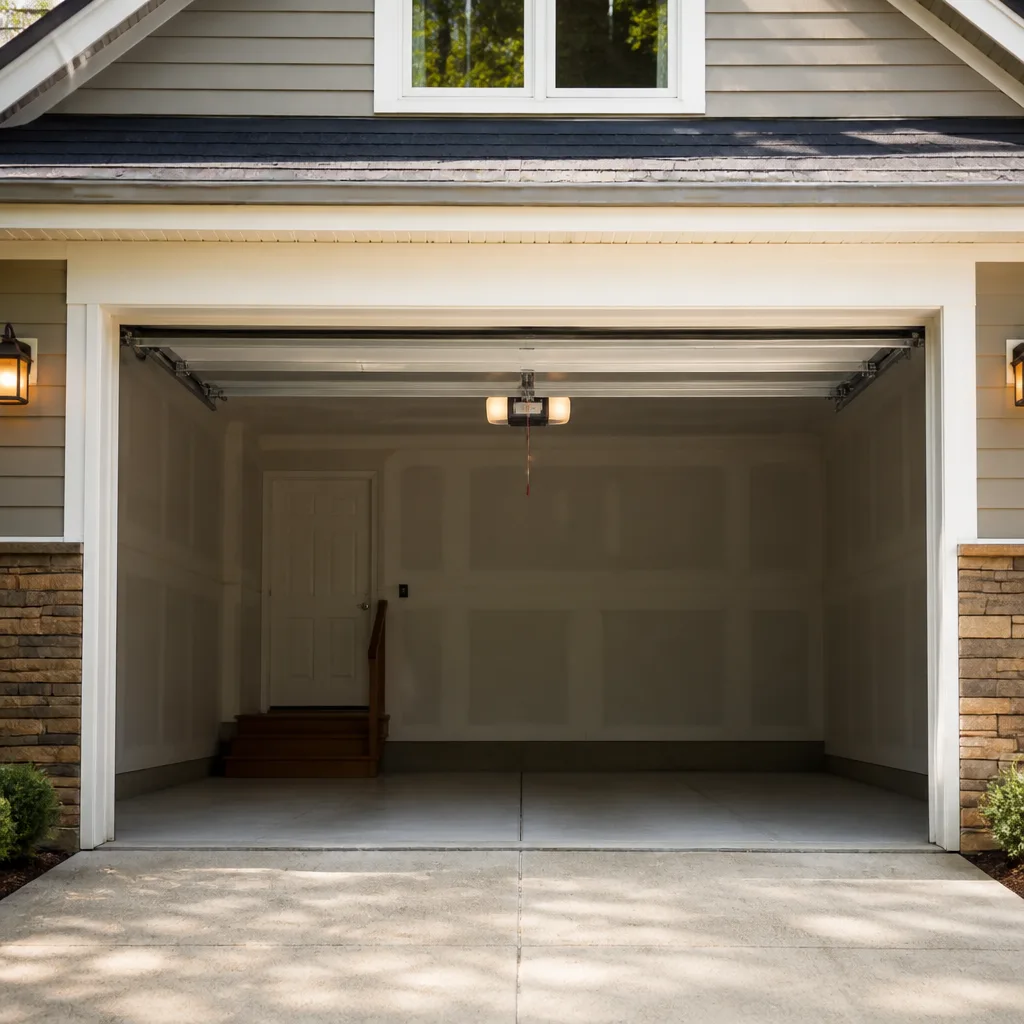 Chamberlain openers
Full 25-point door and opener safety check with every visit - springs, cables, rollers, tracks, and your LiftMaster or Chamberlain opener included
You get a price before we start. It does not change when the pro arrives.
Get your free estimateGarage Door Permits, Codes & Inspections in Aventura, FL: What You Need to Know
Most homeowners in Aventura assume a garage door permit is paperwork. It’s not. Aventura sits inside Miami-Dade County jurisdiction, which enforces some of the strictest wind-load requirements in the United States, and a door installed without a permit may be physically incapable of meeting the code the county requires. That means the issue isn’t a fine at resale. It’s whether the door on your house can do its job when a storm arrives.
In this guide we walk through when a permit is legally required, what Miami-Dade product approval actually means, how the inspection works, how a missing permit surfaces in a 4-point insurance inspection, and why you should never agree to pull your own permit to save a few dollars.
Quick Answer
In Aventura, a full garage door replacement generally requires a permit through the City of Aventura Building Department, and the door itself must carry a Miami-Dade County Product Approval (an NOA number) proving it meets wind-load requirements. Routine repairs, such as replacing springs, cables, rollers, or an opener, typically do not require a permit. When in doubt, call the building department directly and ask about your specific scope of work.
Styles & brands we work with
- Raised-panel steel
- Carriage house
- Modern flush
- Full-view glass
- LiftMaster openers
- Chamberlain openers
Table of Contents
- When Is a Garage Door Permit Required in Aventura?
- What Is Miami-Dade Product Approval (NOA) and Why It Matters
- What the Inspection Process Actually Looks Like
- How Long Permit Approval Takes in Aventura
- How a Missing Permit Shows Up in a 4-Point Insurance Inspection
- Who Pulls the Permit and Why It Should Never Be You
- Repair vs. Replacement: What’s Actually Regulated
- Common Mistakes to Avoid
When Is a Garage Door Permit Required in Aventura?
The short version: a full door replacement almost always needs a permit, and most repairs do not. Florida Building Code Section 105 sets the framework for when a building permit is required, and it distinguishes between work that changes the structure or envelope of a building and work that restores existing components to function. A garage door is part of the exterior envelope, and it’s also a large opening in a wall that has to resist wind pressure. That’s why replacing it triggers permitting while repairing it usually doesn’t.
Here’s how the line typically falls in Aventura:
- Permit generally required: replacing the entire door and its tracks, changing the door size or opening dimensions, changing the door type (for example, from a solid door to a door with windows), adding a new opening, or converting a garage door to a different wind-rated assembly.
- Permit generally not required: replacing springs, cables, rollers, hinges, or the bottom seal; replacing a broken panel with an identical panel; repairing or replacing an opener on an existing door; adjusting tracks or rebalancing the door.
- Ask the building department: replacing a door with a different model but the same size, or replacing panels on a door that carries a specific approval number. These are the gray areas where a phone call to Aventura’s building department settles it in a few minutes.
One detail that catches homeowners: the permit is tied to the door that gets installed, not only to the work. A permit can be issued and still fail inspection if the door on the truck doesn’t carry the approval number listed on the application. That’s covered in the next section.
What Is Miami-Dade Product Approval (NOA) and Why It Matters
Miami-Dade County requires that certain building products used in the high-velocity hurricane zone carry a county product approval, commonly called an NOA (Notice of Acceptance), before they can be legally installed. Garage doors fall into that category. The NOA is a document issued to a specific manufacturer for a specific product line, and it certifies that the product has been tested to resist defined wind pressures and impact conditions.
What this means practically in Aventura:
- The approval belongs to the door, not the installer. A contractor can be excellent at installation and still be unable to pull a legal permit for a door that has no NOA number. The door has to be an approved product.
- The NOA number appears on the permit application and the inspection record. The inspector will check that what’s on the house matches what’s on the paperwork.
- Substitution is a problem. If the door that gets delivered isn’t the model on the approved application, the job can fail inspection even if the installation is perfect.
- Brands matter for this reason. Major manufacturers like Clopay, Amarr, and Wayne Dalton maintain approved product lines for Miami-Dade, but not every model in every catalog. The specific model has to be on the approved list.
This is one of the reasons we ask homeowners for the door model and the existing paperwork before we quote a replacement. In our experience, the biggest delay on a replacement job in Aventura isn’t installation. It’s finding out after the door is ordered that the model doesn’t carry the right approval for the opening.
What the Inspection Process Actually Looks Like
Once the permit is issued and the door is installed, an inspection follows. Miami-Dade is specific about what the inspector checks, and knowing what they look at helps you understand why the details matter.
- Verify the installed door matches the permitted product. The inspector compares the door label, model, and approval number against the permit application.
- Check the anchoring and attachment. The tracks and brackets must be fastened according to the manufacturer’s installation instructions for the approved product. Shortcuts here are a common failure point.
- Confirm the safety features. A door with an opener must have the required safety reversing system in working order, and the door must be balanced enough to operate safely.
- Confirm the permit is posted and the work is complete. Open permits, partially installed doors, or a job signed off before the door is fully functional will fail.
- Issue the final inspection. Once the inspection passes, the permit is closed and the record sits with the property.
What we’ve learned working on installations and repairs in Aventura: the jobs that pass cleanly are the ones where the contractor verified the door model against the approved list before ordering, and installed strictly to the manufacturer’s written instructions. Improvising on anchoring or brackets because “it looks solid” is how a job fails the county inspection.
How Long Permit Approval Takes in Aventura
There’s no single answer that fits every job, and anyone who quotes you a precise day count is guessing. What we can tell you is what drives the timeline and how to plan around it.
- Application completeness is the biggest variable. A complete submittal includes the door’s product approval documentation, the installation instructions, and the scope of work. Missing paperwork is the most common reason a permit sits in review.
- The door has to be sourced before the permit can be finalized in most cases. That means model confirmation happens early, not after the install date is set.
- Inspection scheduling adds time after approval. A job isn’t finished when the door goes up; it’s finished when the inspection passes. Build that into your expectations if the door is part of a real estate transaction or an insurance requirement.
- Ask the building department for the current review window. The City of Aventura Building Department can tell you what the typical review time looks like when you call, and you should ask before you sign anything.
If you’re replacing a door because a sale is closing, or because an insurance carrier has asked for proof of code compliance, start the process earlier than you think you need to. Aventura’s building department is responsive, but it can’t move faster than the paperwork allows.
How a Missing Permit Shows Up in a 4-Point Insurance Inspection
Many Florida insurance carriers require a 4-point inspection before issuing or renewing a homeowners policy. The inspection looks at four systems: roof, electrical, plumbing, and HVAC. But the inspector is also noting the condition of other components of the home, including the garage door, and unpermitted work tends to surface during that walk-through.
What happens when it does:
- The carrier may ask for documentation. If the garage door looks newer than the permit records show, the underwriter can request the permit and inspection history. A missing permit is a red flag.
- The policy can be delayed or declined. Carriers who won’t accept unpermitted work can hold up issuance until the permit is resolved, or decline the policy altogether.
- Repairs or retroactive permitting may be required. Getting a permit after the fact is possible in some cases, but it costs more than doing it right the first time, and it requires the door to actually carry the approval number.
- A claim can be affected after a storm. If a door that was never permitted fails during a hurricane, the carrier can question whether the installation met the wind-load requirements it was supposed to. That’s not a story about a fine. It’s a question about whether the claim gets paid.
In a county where wind-load requirements are this specific, the insurance angle and the code angle are the same angle. A door that isn’t permitted is a door that hasn’t been verified against the code the county requires.
Who Pulls the Permit and Why It Should Never Be You
If a contractor asks you to pull your own permit to save money, that’s a warning sign, not a discount. In Florida, the permit is pulled by the licensed contractor performing the work, and the homeowner’s permit option exists for owner-builders doing their own work on their own home. A garage door replacement isn’t a DIY project, and the arrangement doesn’t fit the situation.
What goes wrong when a homeowner pulls the permit:
- The contractor isn’t on record. If something fails inspection or gets corrected later, the responsibility sits with the homeowner.
- Insurance and resale documentation suffer. A permit pulled by the homeowner reads to an underwriter or buyer like an owner-installed project. That invites more questions, not fewer.
- Warranty questions. Manufacturer installation warranties may not cover a job that wasn’t installed by a licensed contractor under their own permit.
- The contractor’s credentials aren’t being checked. A company that won’t pull its own permits may be doing so because it can’t.
A properly licensed, insured contractor pulls the permit, coordinates the inspection, and closes it out. In our experience that’s the arrangement that protects the homeowner, and it’s the one we insist on. The local pro we connect you with is licensed and insured as their state requires, and the permit is part of the job, not an extra.
Repair vs. Replacement: What’s Actually Regulated
This is where most Aventura homeowners get confused, so let’s make the distinction concrete. The code is about the assembly and the envelope. Repair work that restores existing components to function doesn’t change the assembly. Replacement does.
What typically falls on the repair side of the line:
- Replacing one or both springs (this is the most common call we get, and it’s also the most dangerous job on the door)
- Replacing cables, rollers, hinges, or the bottom seal
- Replacing a single damaged panel with an identical panel
- Repairing or replacing an opener, remotes, or wall controls
- Adjusting tracks, rebalancing, or lubricating the system
- Replacing a stripped gear or worn motor in an existing opener
What typically falls on the replacement side, and needs a permit:
- A new door, tracks, and hardware as a complete assembly
- Changing the door’s size, opening, or configuration
- Changing the door type, such as adding windows or moving from a solid to a glazed door
- Anything that changes the wind-rated assembly for the opening
One note for homeowners who have an older Aventura home with a door that’s still functional but showing age: if the door is repairable, we repair it. Our repair-first approach exists because a door that works with new springs and proper balance is often a better call than a replacement, both financially and logistically. When the door does need to be replaced, that’s when the permit conversation starts. For day-to-day repairs, you can reach us at garage door repair for an estimate. If it’s a spring issue, see our page on garage door spring repair, and if the opener is the problem, our garage door opener repair team can help.
Springs deserve a specific safety note. They’re under extreme tension, and the winding process is where injuries happen. There is no safe DIY version of that job, and no reputable contractor will talk you through one. A trained technician is the only correct answer.
Common Mistakes to Avoid
- Buying the door before checking the approval number. A garage door that isn’t on the Miami-Dade approved list can’t be legally permitted, no matter how good it looks. Confirm the model against the NOA before you order.
- Letting the contractor pull “your” permit. If a contractor asks you to pull the permit, that’s a red flag on their licensing position, not a favor. Walk away and find someone who will pull it themselves.
- Skipping the permit because “it’s just a door.” In Miami-Dade, a garage door is a wind-rated assembly, not a cosmetic feature. The permit exists because the door has a structural role.
- Assuming the inspection is a formality. The inspector checks the door label against the permit, the anchoring against the manufacturer’s instructions, and the safety features. Improvised anchoring fails.
- Waiting until a sale closes to start. If you know the house is going on the market, start the permit process well before the closing date. Aventura’s building department can’t move faster than the paperwork allows, and neither can we.
- Paying for a permit twice. A retroactive permit on work that was already done usually costs more than getting it right the first time, and it can still fail if the door doesn’t carry the right approval.
- Hiring a generalist for a regulated assembly. Garage doors are a single trade, and the permit process rewards technicians who live in it. A handyman who installs a door now and then won’t know the approval list or the inspection details.
When to Call a Professional
Call a professional anytime a garage door replacement is on the table, anytime the door is part of a real estate transaction or an insurance requirement, anytime the paperwork status is unclear, and anytime the repair involves springs, cables, or the opener’s safety reversing system. Those are the situations where getting it wrong has consequences well beyond the cost of the repair.
Aventura Garage Door Repair offers free estimates in Aventura. We work on the door and opener brands a lot of homeowners already own, including LiftMaster, Chamberlain, Genie, Clopay, Amarr, Wayne Dalton, Craftsman, and Raynor, and we can walk through the permit question with you before you commit to anything. Our technicians have up to 13 years of experience, and our focus is on getting your current system back to working order rather than selling you a door you don’t need. If a replacement is the right answer, we’ll say so, and we’ll explain the permit process at the same time. Call (877) 522-1812.
See the difference
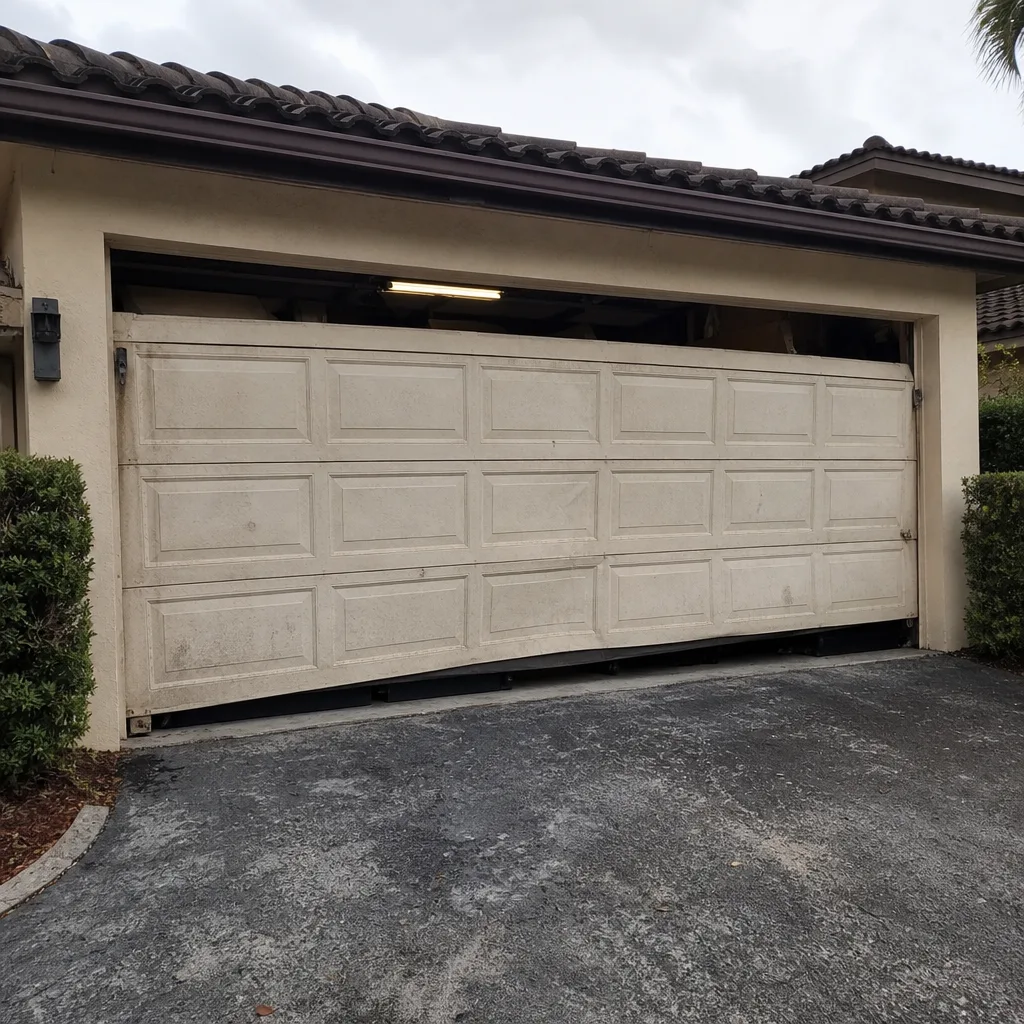 Before
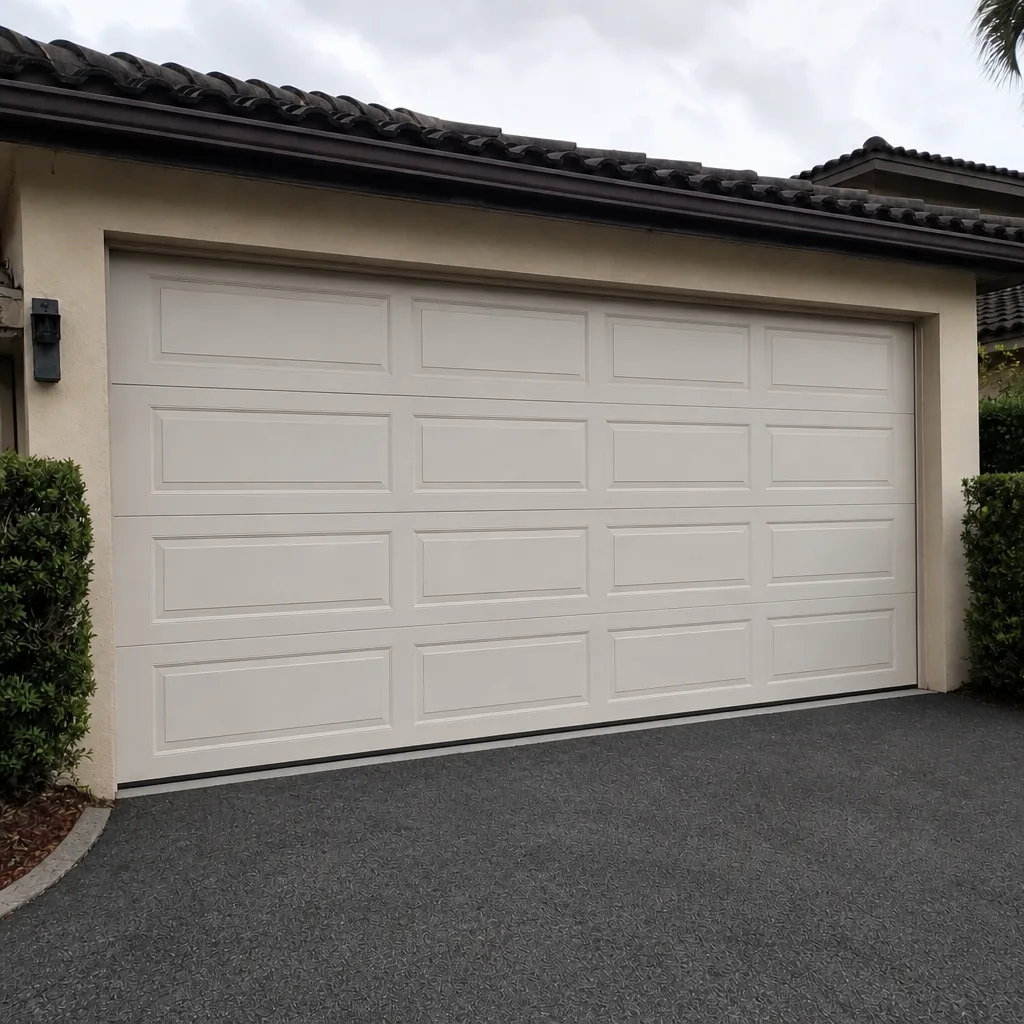 After
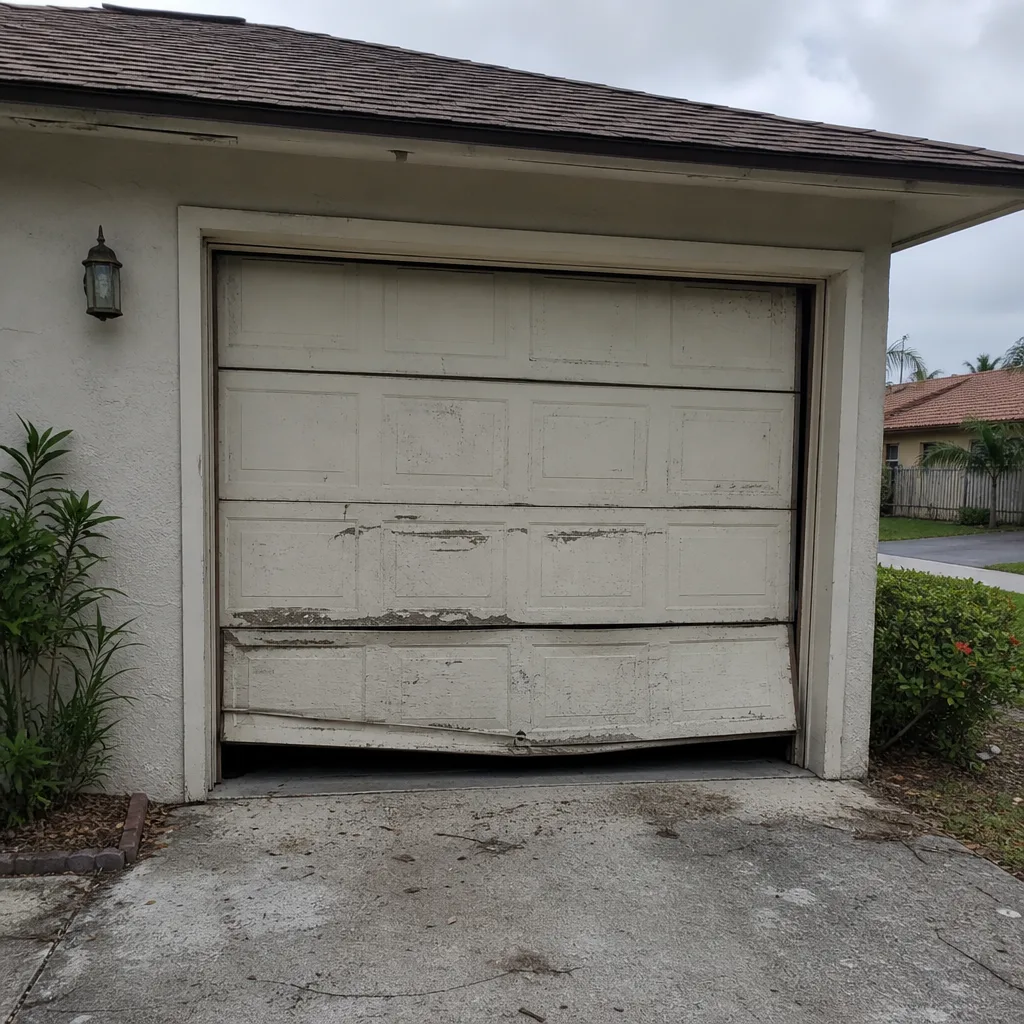 Before
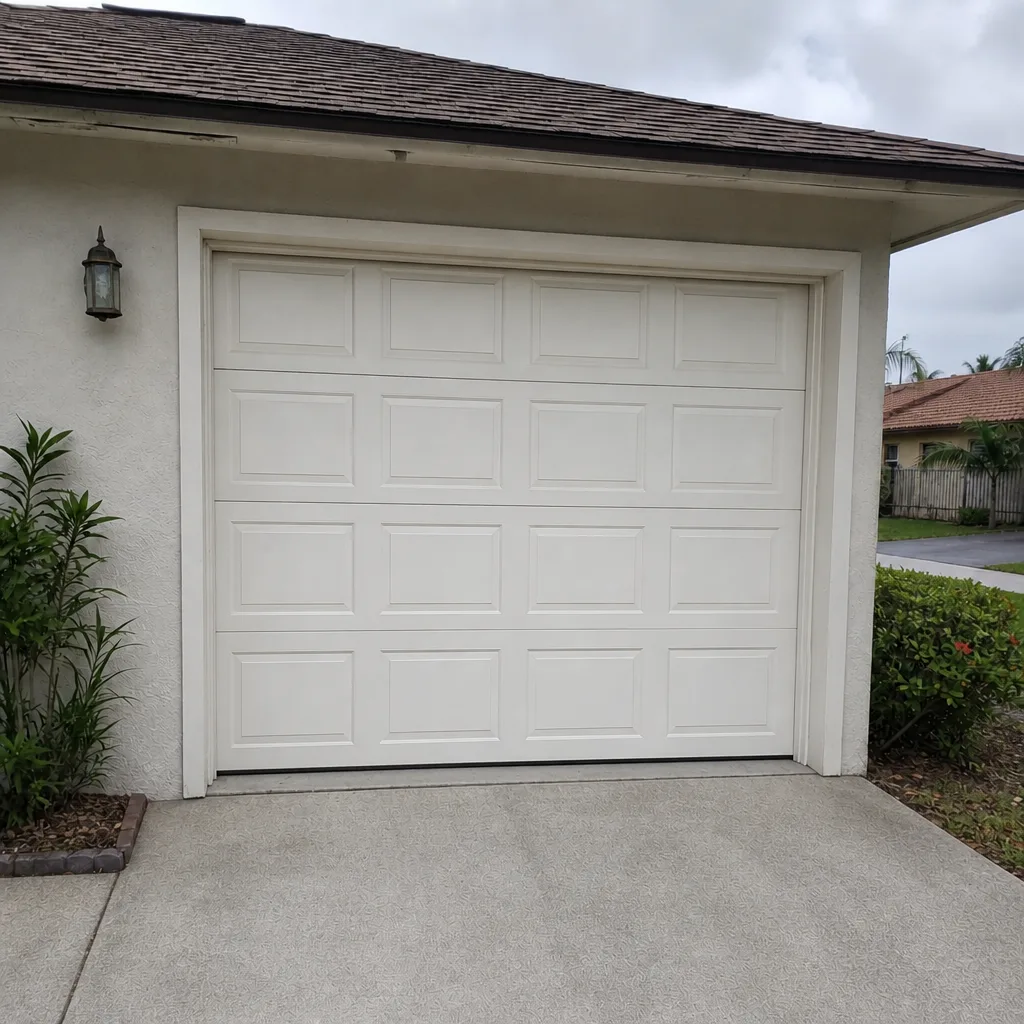 After
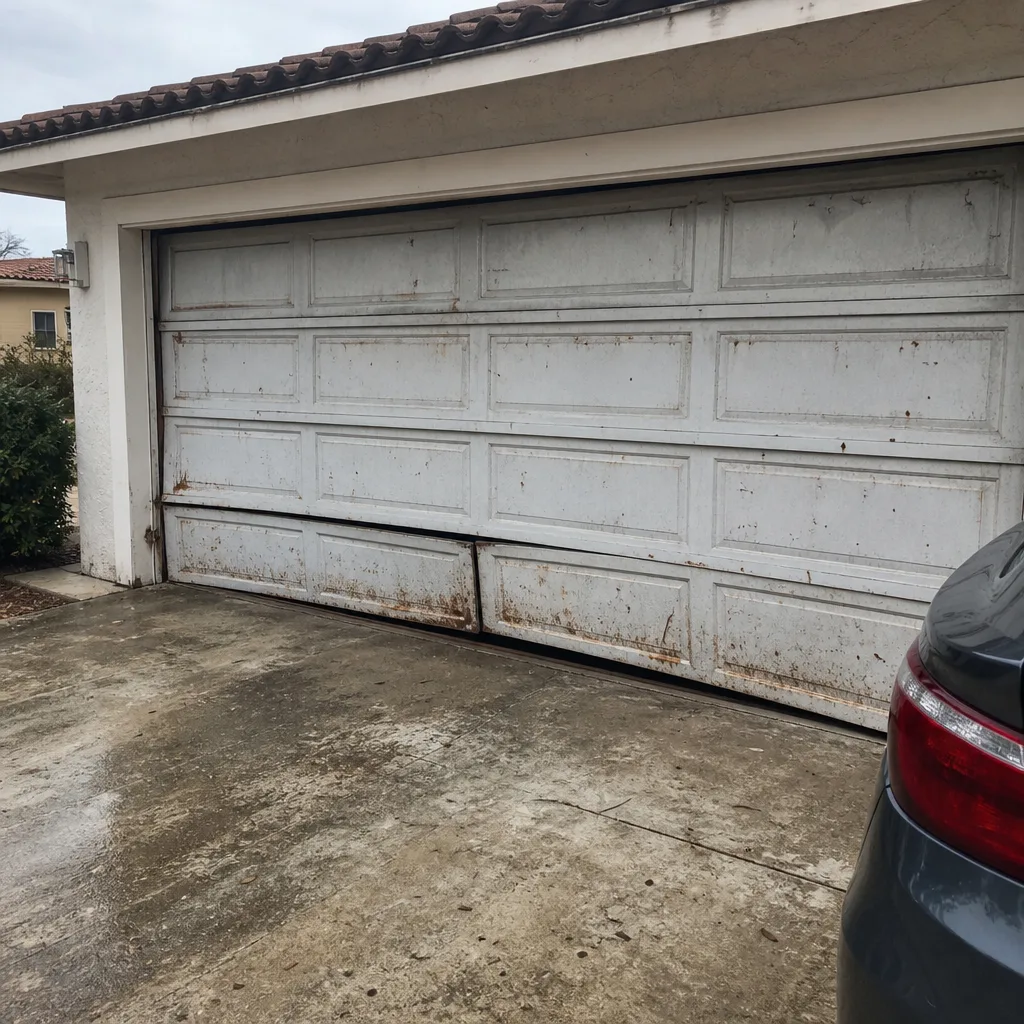 Before
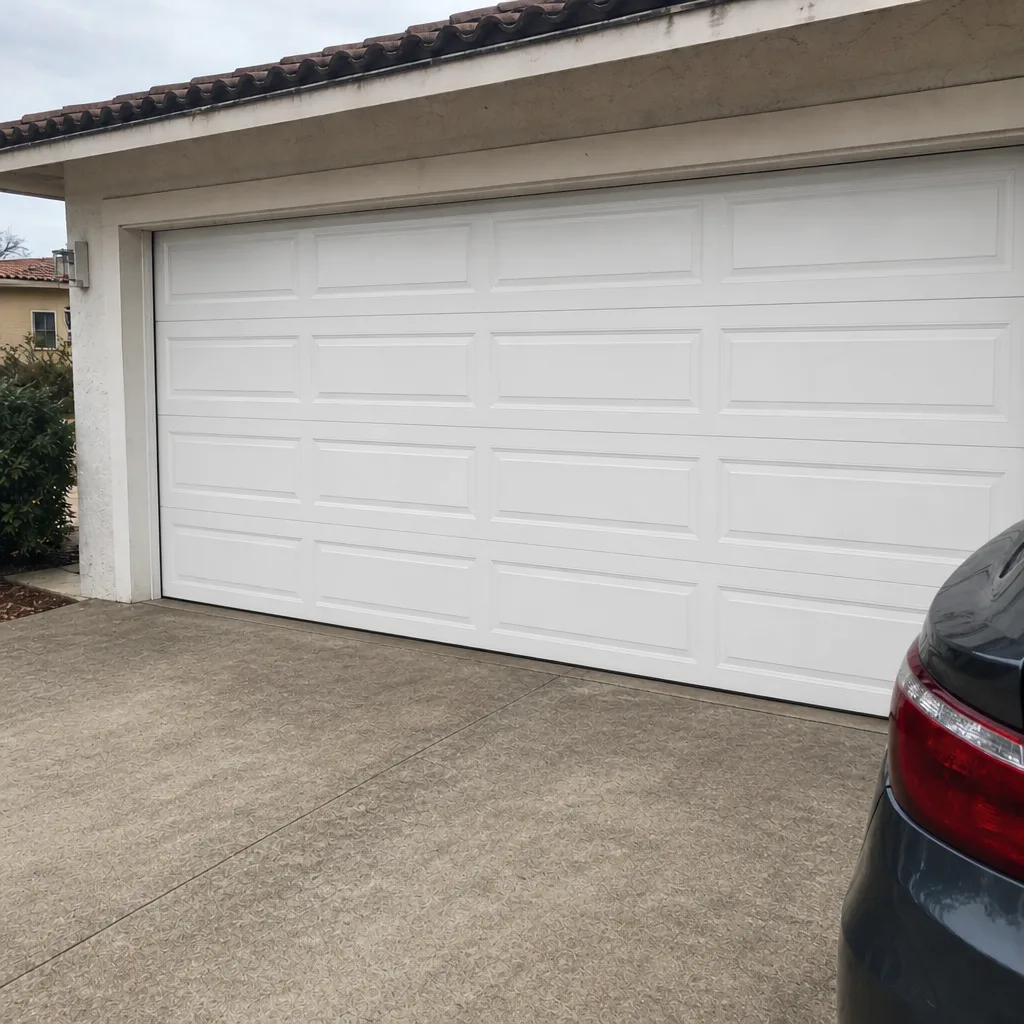 After
Frequently Asked Questions
Yes, in most cases. A full garage door replacement in Aventura generally requires a permit through the City of Aventura Building Department, and the door itself must carry a Miami-Dade County Product Approval number. Routine repairs do not normally require a permit. Call (877) 522-1812 and we’ll walk you through what applies to your specific job, with a free estimate.
No. Replacing a spring, cable, roller, or hinge is repair work that doesn’t change the door assembly, and it doesn’t trigger a permit in Aventura. It does require a trained technician, though, because springs are under extreme tension. Call (877) 522-1812 for an estimate and we’ll take it from there.
An NOA number is a Miami-Dade County Product Approval. It certifies that a specific door model has been tested to resist defined wind pressures, and door replacement permits in Miami-Dade require the installed door to carry one. Without it, the job can’t be legally permitted, and the installation may not meet the code the county requires. Call (877) 522-1812 if you need help confirming whether a model qualifies.
There’s no single timeline, and anyone who quotes you a precise number of days is guessing. What drives the timeline is how complete the application is, whether the door’s approval documentation is included, and the building department’s current review volume. Call the City of Aventura Building Department to ask about the current review window. For the installation itself, call (877) 522-1812 for a free estimate.
In practice, you shouldn’t, and a contractor who asks you to is sending a warning sign. The permit for a garage door installation should be pulled by the licensed contractor performing the work, and pulling it yourself shifts responsibility to you, complicates insurance and resale documentation, and can affect installation warranty coverage. Call (877) 522-1812 and we’ll pull the permit as part of the job.
It can, in several places. During a buyer’s inspection, during a 4-point insurance inspection, and in permit history checks that buyers and their agents routinely do in Aventura. A missing permit can delay or disrupt a closing until it’s resolved, and getting a permit retroactively is harder than getting it up front. Call (877) 522-1812 if you’re not sure what’s on record for your door.
The Bottom Line
A garage door in Aventura is a regulated structural assembly, not a cosmetic feature. A permit isn’t paperwork to get out of. It’s the county’s way of confirming that the door on your opening is the one the code requires for wind resistance. That means the door has to carry a Miami-Dade product approval, the contractor has to pull the permit, and the inspection has to pass before the job is complete. If any of that sounds uncertain for your specific door, get it clarified before you install, not after. When the job is a repair, we’ll repair it. When it’s a replacement, we’ll walk you through the permit from the first call to the closed inspection. Call (877) 522-1812 for a free estimate, and we’ll get you the straight answer on where your door stands.
Written by the team at Aventura Garage Door Repair.