
Last updated November 20, 2026
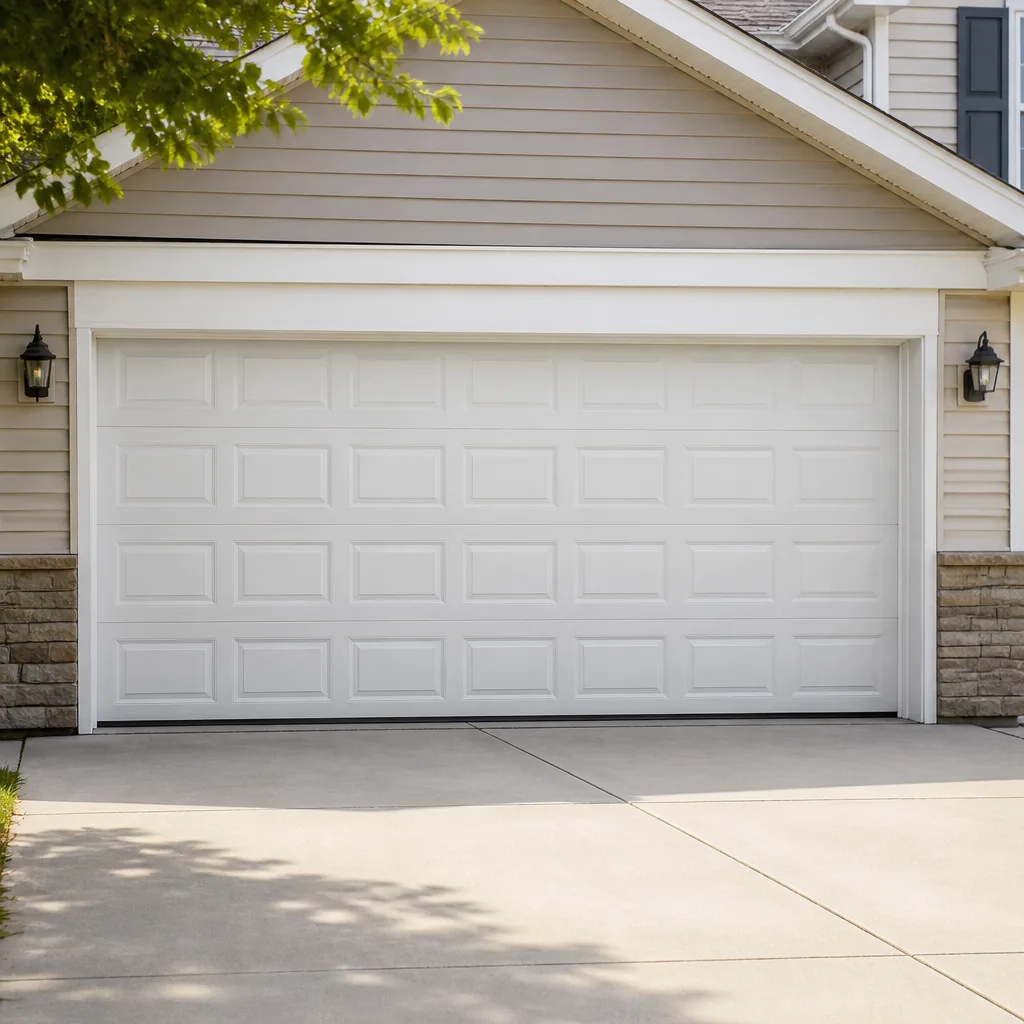 Raised-panel steel
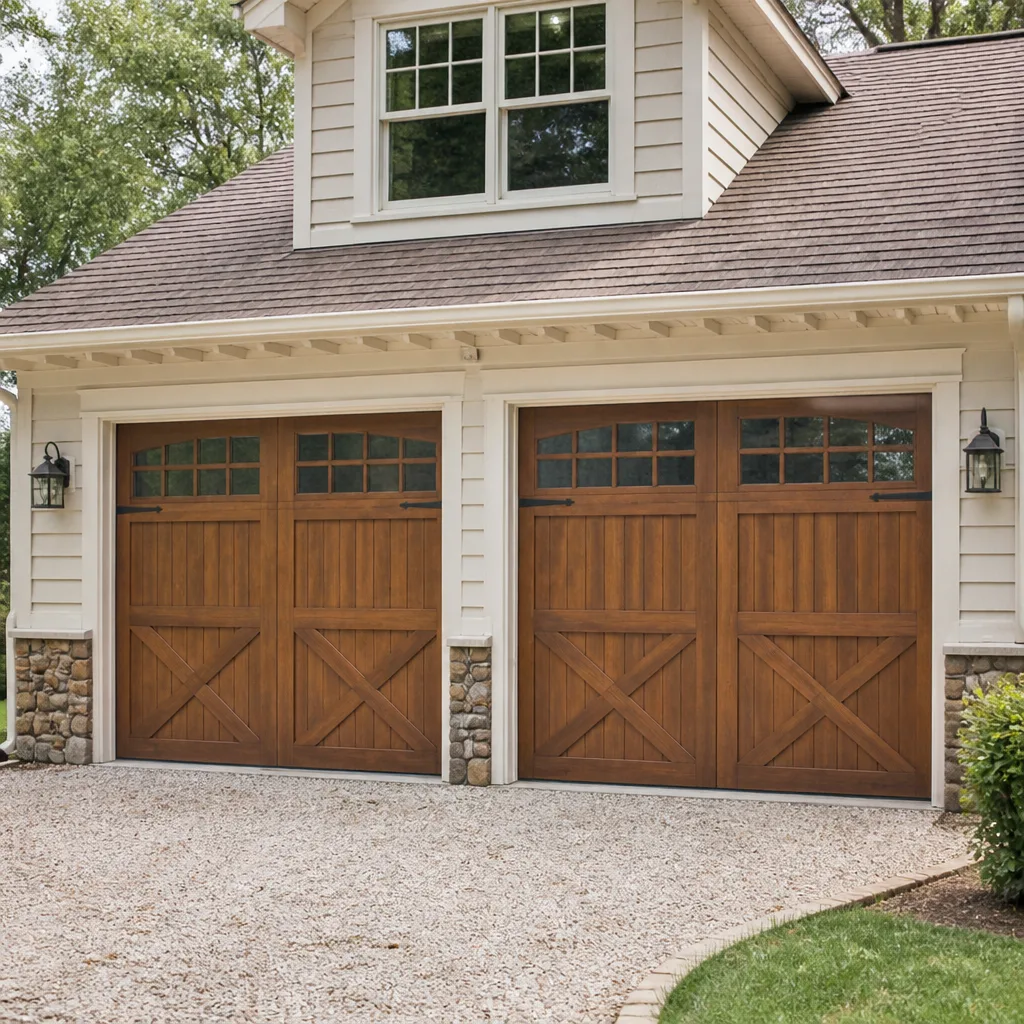 Carriage house
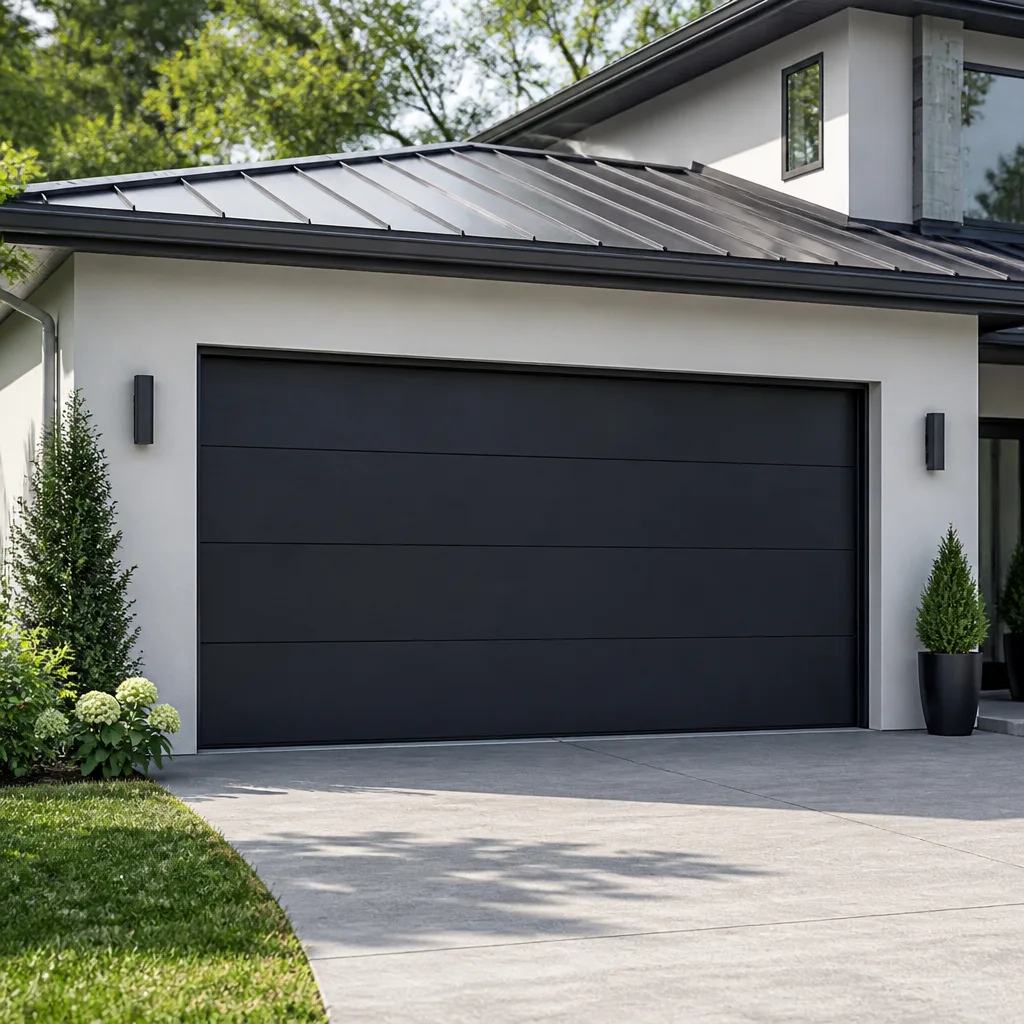 Modern flush
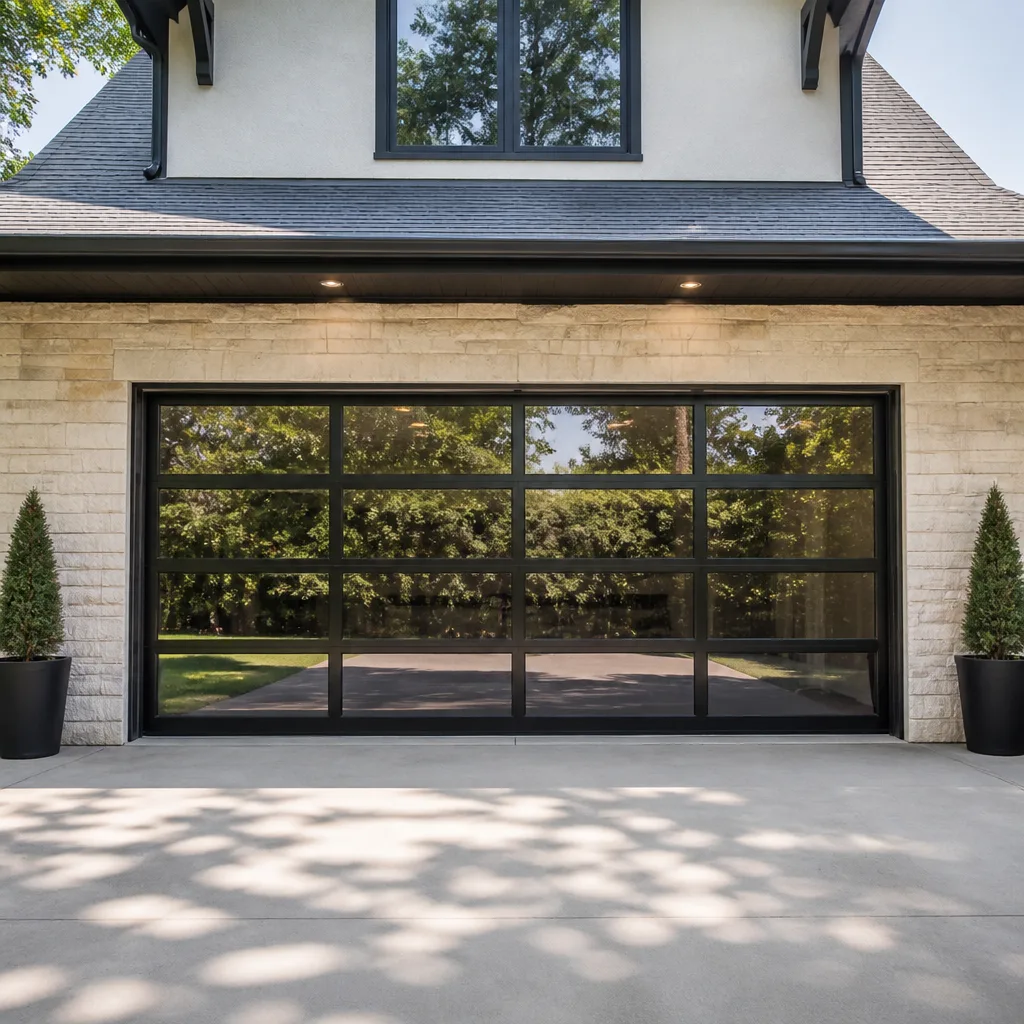 Full-view glass
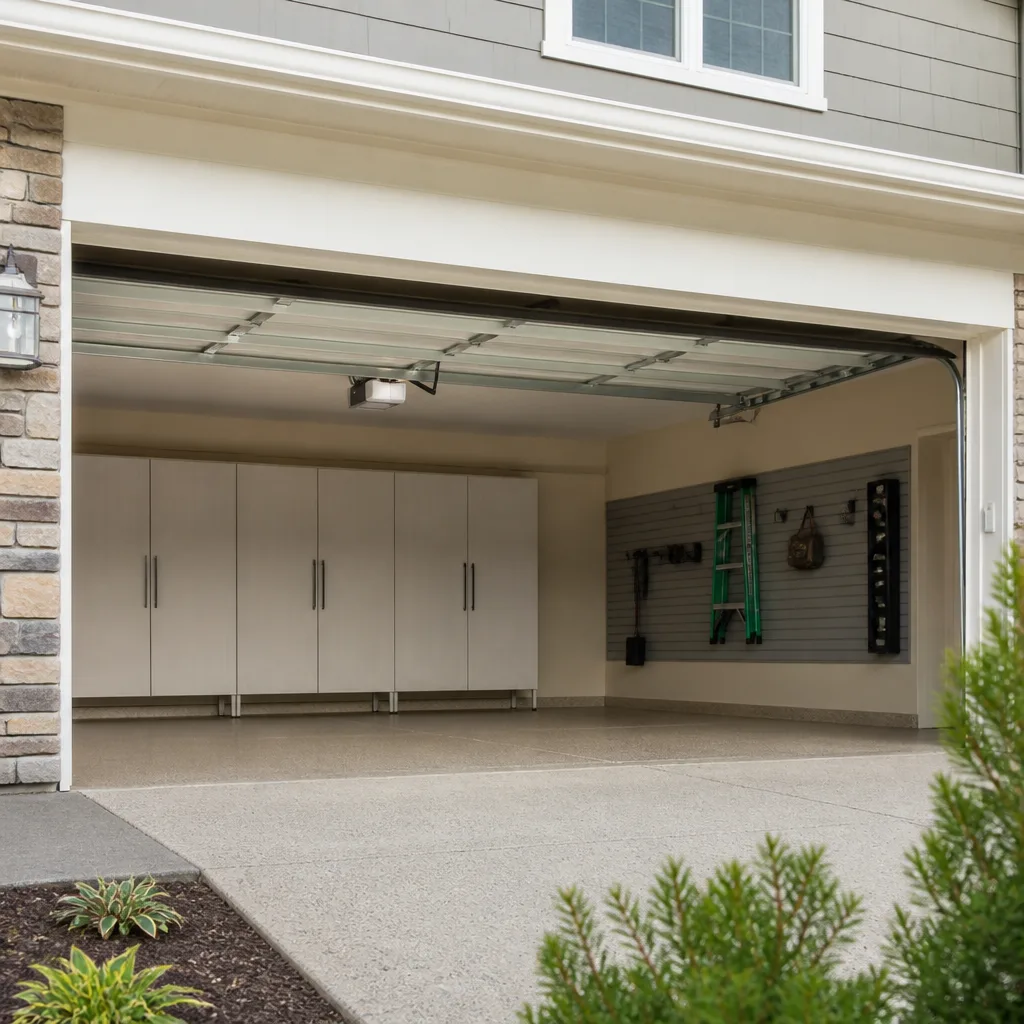 LiftMaster openers
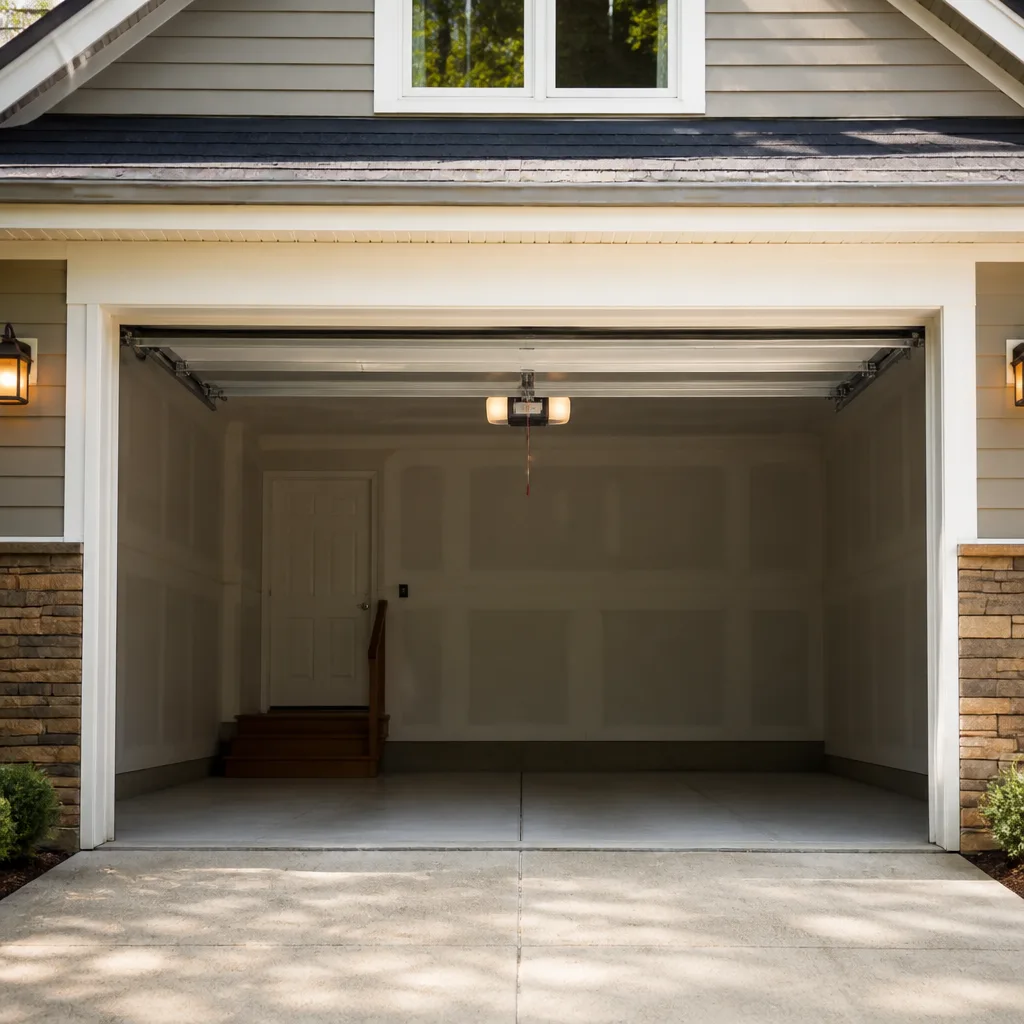 Chamberlain openers
Full 25-point door and opener safety check with every visit - springs, cables, rollers, tracks, and your LiftMaster or Chamberlain opener included
You get a price before we start. It does not change when the pro arrives.
Get your free estimateGarage Door Warning Signs: An Aventura Homeowner’s Reference Guide
A torsion spring doesn’t snap without signaling it first. The problem is that the signal – a door that feels heavier than usual on manual lift – gets ignored because the opener still closes it. By the time it fails, the warning was weeks ago. That’s the pattern we see most in Aventura: the opener hides the failing spring, the rust hides the worn cable, and the noise gets dismissed as “just what garage doors sound like.” This guide separates the cues that mean call today from the ones that can wait a week, with the mechanical reason behind each one.
Quick Answer
The warning signs that mean call today are: a door that won’t open more than a few inches or feels almost immovable on manual lift, a visible gap or break in a spring, a frayed or kinked cable, a door that hangs crooked, and a popping or banging sound during operation. Signs that can usually wait a week are squeaks, light rust on the track, and a remote that needs a firmer press. The difference is almost always whether the problem is in the lifting system (springs, cables, drums) or the hardware around it.
Styles & brands we work with
- Raised-panel steel
- Carriage house
- Modern flush
- Full-view glass
- LiftMaster openers
- Chamberlain openers
Table of Contents
- The Manual Lift Test: How Much Resistance Is Too Much
- Reading Rust on Springs and Cables in Aventura’s Climate
- What Uneven Door Movement Actually Means
- The Noise Taxonomy: Grinding, Squeaking, and Popping
- When It’s the Door, Not the Opener
- Opener Behavior Signs That Point Back to the Door
- The Visual Checklist: What to Look At Monthly
- Urgency Table: What Can Wait, What Can’t
The Manual Lift Test: How Much Resistance Is Too Much
A balanced garage door should feel light when you lift it by hand with the opener disconnected. You should be able to raise it to about waist height with one hand and hold it there without strain. If you’re pulling against real weight, the springs have lost tension, and that’s the single most reliable early warning a garage door gives you. This test takes about a minute and tells you more than any sound the door makes.
Here’s how to run it safely, because it involves the door’s lifting system:
- Close the door fully and keep it closed.
- Pull the red emergency release handle down to disconnect the opener carriage. It clicks once.
- Stand to the side, not underneath, and lift the door by the bottom handle or a safe edge.
- Notice the effort. Light and steady means balanced. Heavy means spring tension is gone or nearly gone.
- Lower it slowly. A door that drops on its own is also a sign of lost spring tension.
- Reconnect the carriage by pressing the opener button once until it clicks back in.
What the resistance tells you: a torsion spring is sized to hold most of the door’s weight. As it loses tension, more of that weight shifts to your arm. A door that needs real effort from the ground to waist height is telling you the spring is near the end of its working range. A door you can’t lift at all usually has a broken spring already. In our experience across Aventura homes, the manual lift test catches failing springs weeks before the door stops opening. If your door fails this test, stop using it and look at garage door spring repair before anything else.
One caveat: if your door is very heavy from the start (an old solid-wood Clopay or Amarr door, for example), some resistance is normal. The clue is change. A door that used to lift easily and now doesn’t is the door to watch. That applies whether the opener is a Genie, a Wayne Dalton, or something older.
Reading Rust on Springs and Cables in Aventura’s Climate
Rust on a garage door spring is a spectrum, not a yes-or-no. Light orange surface oxidation on a spring’s exterior is common and usually not urgent. Dark, flaking, pitted rust with a chalky texture, especially at the coil ends or where the spring mounts to the center plate, is a sign the steel has lost structural strength. That’s when the spring is at real risk of breaking under load. The distinction matters because replacing a spring that only has surface rust is a waste, and ignoring a pitted spring is a real hazard.
Aventura’s warm, humid climate adds a specific wrinkle: moisture hangs in the air for much of the year, so uncoated steel sweats and oxidizes continuously rather than seasonally. That means we see more rust-related spring and cable wear in Aventura than you’d see in drier parts of the state. Cable is the part most people miss. Run your eyes along the cable between the drum and the bottom bracket. What you’re looking for:
- Surface oxidation: a light orange tint, no flaking. Cosmetic. Note it and check again in a month.
- Pitting: small dark craters or flaking steel. The cable has lost cross-section and strength. Replace it.
- Frays or broken strands: the cable looks like a frayed rope or has a kink. Replace it immediately and don’t operate the door.
- Rust at the drum: rust where the cable spools onto the drum is a sign moisture has settled there. Have it looked at.
What you should not do is spray penetrating oil on a rusty cable and call it fixed. Oil masks the problem for a few weeks and gives you false confidence in a part that can snap. Rust on a lifting cable is a signal to inspect and replace, not to treat. Aventura homeowners who do a yearly visual check on springs and cables catch nearly all of these before they become a break.
What Uneven Door Movement Actually Means
When a garage door rises crooked, most homeowners go straight to the tracks. It’s almost never the track. In our experience, uneven movement is far more often a cable that has slipped off its drum, a stretched cable on one side, or a drum that has worn unevenly. The door rides on the two cables, and both have to be the same length and properly seated on their drums for the door to rise level. If one side lifts faster, one cable is doing more work.
Here’s how to tell the difference:
- Watch the gap between the door and the floor as the door starts to lift. A gap on one side but not the other means the cables aren’t balanced.
- Look at each cable where it wraps the drum at the top corners. If one cable has jumped the groove, it’s off the drum.
- Check the cables where they attach to the bottom bracket. A looser cable is a stretched one.
- Look at the drum itself. Sharp, worn edges or deep grooves mean it needs replacing along with the cables.
Do not try to fix a slipped cable by hand. The cable is under spring tension, and a cable that releases can cause serious injury. This is work for a trained technician, and it’s one of the reasons we treat garage door repair as a diagnostic job before anything else. A crooked door is also a track safety issue because a heavy door riding out of balance can drag a roller out of its guide. In Aventura, doors that sit on a slope or face a heavier afternoon sun exposure often show these symptoms earlier, simply because the hardware on one side works harder.
If a track is visibly bent, that’s the exception – tracks do get knocked out of alignment by a car backing into the door or by a hard slam. But a door that moved smoothly one week and is crooked the next is a cable or drum issue until proven otherwise.
The Noise Taxonomy: Grinding, Squeaking, and Popping
Garage door noises are not interchangeable. Grinding, squeaking, and popping each point to a different part of the system and carry a different urgency. Learning to name the sound is the fastest way to know what to look at. Listen with the door closed, then run it up and down once while standing to the side, and pay attention to when the sound happens and where it comes from.
- Grinding: a low metallic scrape or grit-under-a-shoe sound. Usually a roller that has seized or a track that is dragging against a roller. If the door still moves smoothly, it’s a maintenance issue. If it’s getting harder to move, replace the rollers.
- Squeaking: a high, rhythmic squeal. Most often the rollers, hinges, and spring at their pivot points. A squeak is the lightest sign – usually fixed by lubrication and roller inspection. Ignored squeaks become seized rollers.
- Popping or banging: a sudden loud crack during operation, especially at the start of a lift or when the door is nearly closed. This can be a spring that’s about to break, a cable jumping its drum, or a torsion tube that has slipped. Treat a popping sound as a call-today sign and stop using the door until a technician checks it.
- Rattling: loose hardware – hinges, brackets, or the opener carriage. Low urgency but worth tightening.
- Clicking at the opener box: usually an opener relay or sensor issue rather than the door. That’s garage door opener repair territory rather than a door problem.
What makes this useful is that the noise tells you which component to inspect first. In Aventura, the humidity works against lubricant too – it thins and migrates faster than in drier climates, so a squeak that would be a nuisance elsewhere can become a grinding roller sooner.
When It’s the Door, Not the Opener
One of the most expensive mistakes in garage door ownership is replacing an opener when the door was the problem. A weak opener is often a symptom, not a cause. If your door needs more force than it should, the opener will struggle, the motor will strain, and eventually the opener will fail – but swapping it in won’t fix the underlying weight. The door will simply strain the new opener too. Before you write off an opener, check the door’s balance and the lifting system.
Here’s the quick separation test:
- Disconnect the opener using the red release handle.
- Lift the door by hand. If it’s heavy, the springs or cables are the problem, not the opener.
- If it lifts easily and stays balanced, but the opener still won’t operate it, the opener is the suspect.
- Look for a broken spring or a cable off its drum before you go further.
If the door passes the balance test, the opener is worth diagnosing on its own – especially on brand families like Genie and LiftMaster/Chamberlain, which make up a large share of the Aventura homes we work on. On older openers, a grinding or humming motor with the door not moving is a gear or drive issue. On newer smart-home-compatible openers, a door that reverses for no reason is often a safety sensor, not a door. We’ll dig into that distinction in the next section. If the door fails the balance test, book garage door repair rather than an opener evaluation.
Opener Behavior Signs That Point Back to the Door
Some opener behavior tells you the door is the problem. A door that reverses right after it starts to close, travels a foot then stops, or opens partway and goes back down is often heavy or binding. The opener’s force-limit setting is designed to stop and reverse when the door meets resistance. A door that binds or is too heavy trips that limit every time. A new opener won’t change the physics. Here’s what to check:
- Reversing immediately on close: usually a safety-eye sensor or an obstruction. Clear the path along the floor and check the sensors at the corners.
- Reversing partway after starting to close: often a heavy door or a binding roller. Run the manual lift test.
- Lights flashing a code: many openers flash the safety lights to signal a sensor fault. Read the code in your opener’s manual before replacing anything.
- Audible clicking at the opener but no movement: usually a logic board or gear issue in the opener itself.
- Opener sounds strained and slow: the door is loading the opener. Test the door balance.
In our experience, the reversing-after-a-foot symptom is the one that most often gets misdiagnosed as an opener failure when a simply out-of-balance door is the real cause. On smart-home openers (both the LiftMaster/Chamberlain line and the Genie line), you can also check the app history for a repeating error – if it shows the same force-limit fault every time, that’s the door, not the app.
The Visual Checklist: What to Look At Monthly
A two-minute walk around the garage once a month catches most warning signs before they become repairs. You don’t need tools. You need to know where to look and what “normal” looks like. This is the checklist we run through when we assess a door in Aventura.
- Springs: look for rust, gaps in the coil, or a spring that looks stretched or sagging. A broken spring shows an obvious gap – do not touch it.
- Cables: trace the cable from the drum at the top to the bottom bracket. Stop at any fray or kink.
- Track alignment: the tracks should be parallel and straight. A visible bend is a real problem.
- Rollers: check for wobble or a flat-spotted roller. Replace any that are cracked or grinding.
- Hinges and brackets: look for loose screws or missing bolts. Snug, not missing.
- Weather seal along the floor: a torn seal lets humid Aventura air straight into the garage. Replace it if it looks chewed or split.
- Door panel level: with the door closed, look at the gap along the floor. Uneven gap means a balance problem.
- Manual lift test: run the lift test from the section above once a month, especially during the warmer months.
What you’re looking for is change. A door that has looked the same for years is fine. A door with a new squeak, a new gap, or a new shine of rust is the one to act on. These checks matter less as a chore and more as a habit – most of the serious failures we see in Aventura homes had at least one visible clue a few weeks earlier.
Urgency Table: What Can Wait, What Can’t
This is the fastest way to sort what you’re seeing. Match the sign to its urgency and act accordingly.
- Call today, stop using the door: a spring with a visible break or gap; a cable that is frayed, kinked, or off its drum; a loud pop or bang during operation; a door that hangs visibly crooked; a door that won’t lift by hand at all.
- Call this week, use the door sparingly: a manual lift test that has gotten noticeably heavier; dark, pitted rust on a spring; a door that reverses partway on close; a grinding roller; a cracked or flat-spotted roller.
- Schedule when you can: light surface rust; a squeak; a rattling hinge or bracket; a door that bounces slightly at the floor; a worn floor seal.
- Normal, leave it: light noise on an older door; minor scratch marks on a panel; a remote with a weak battery.
The one item that goes to the top regardless of anything else is a broken spring. It is the most dangerous failure on the door because the door is no longer counterbalanced and the opener may still try to lift it. Do not force it. Call a professional and keep the door closed until they arrive.
Common Mistakes to Avoid
- Treating the opener as the cause of a heavy door. A door that needs real effort on the manual lift test is a spring or cable problem. A new opener will strain against the same weight.
- Spraying oil on a rusty cable and calling it maintenance. Oil hides the problem for a few weeks and gives you false confidence. Rust on a lifting cable is a replace signal, not a lubricate signal.
- Replacing a spring with only half the system tested. Springs come in pairs on most doors, and a matched pair is replaced together. Replacing one and leaving the other is a shortcut that leads straight back to the same repair.
- Using the door hard after a pop or bang. A popping sound is the most reliable warning a spring gives you. Running the door after it can be the difference between a repair and an injury.
- Ignoring an uneven gap at the floor. Homeowners in Aventura’s older condos and townhomes often attribute a crooked door to a settling slab. It’s usually a cable or drum. Have the lifting system checked first.
- Assuming a smart opener “has to be” the fault when the app shows an error. Most repeating errors on LiftMaster/Chamberlain and Genie openers trace back to a balancing or sensor issue, not the board.
- Running the monthly visual check only when the door stops working. The point of the check is to find clues weeks before the failure, since nearly every break we see had an earlier signal.
See the difference
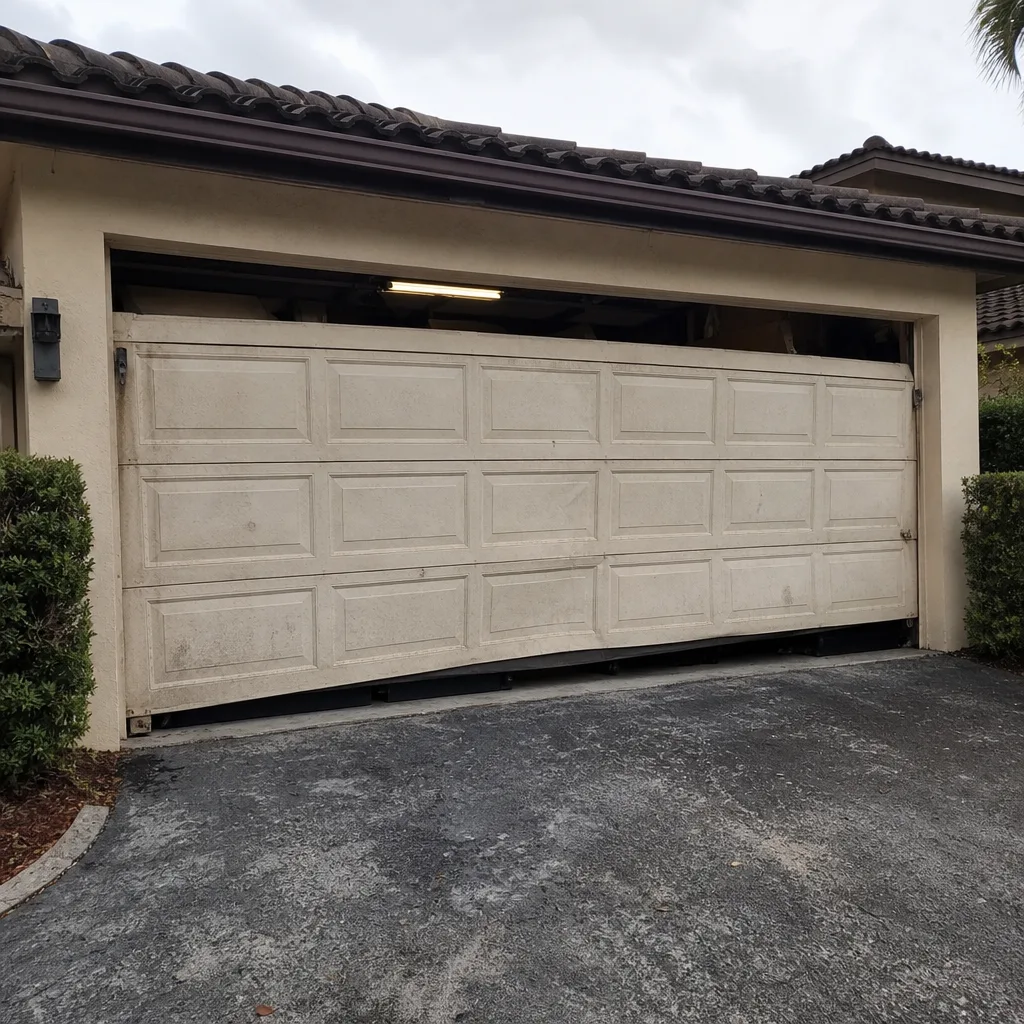 Before
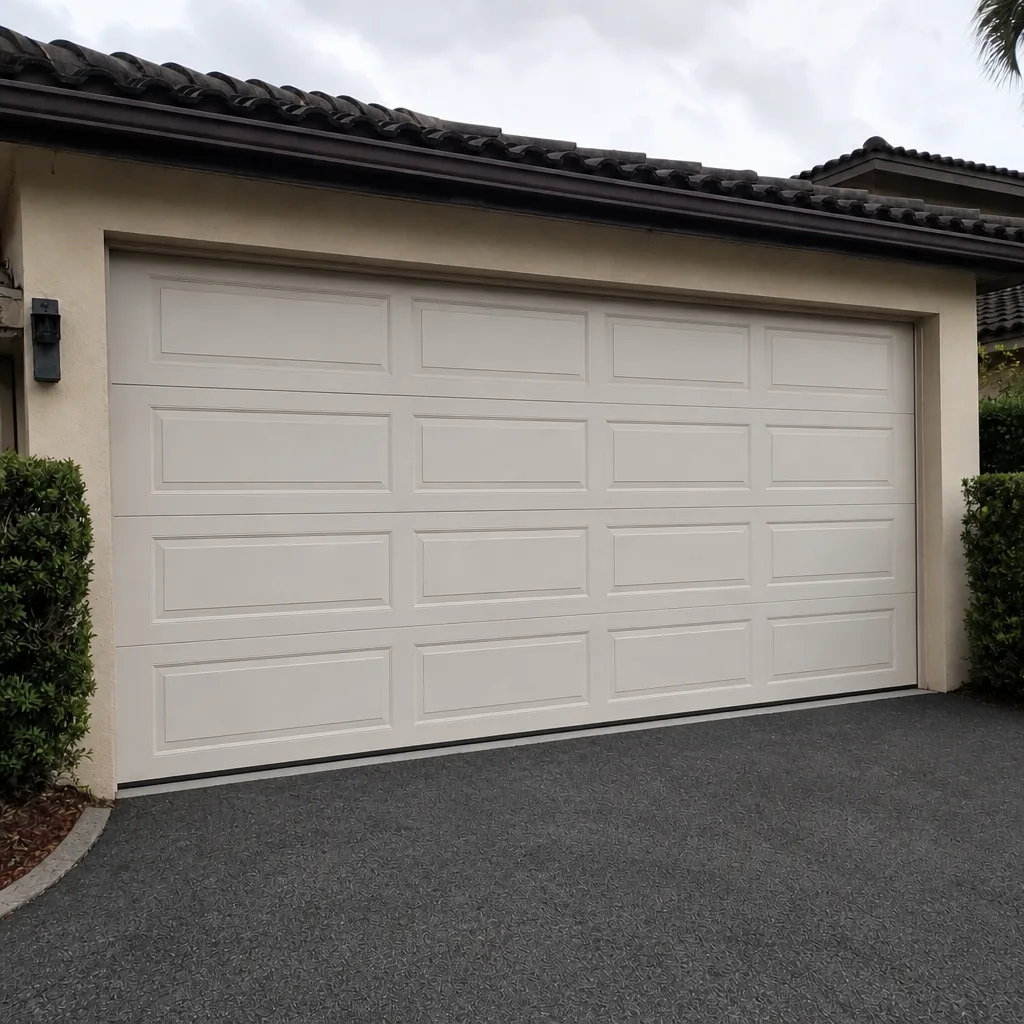 After
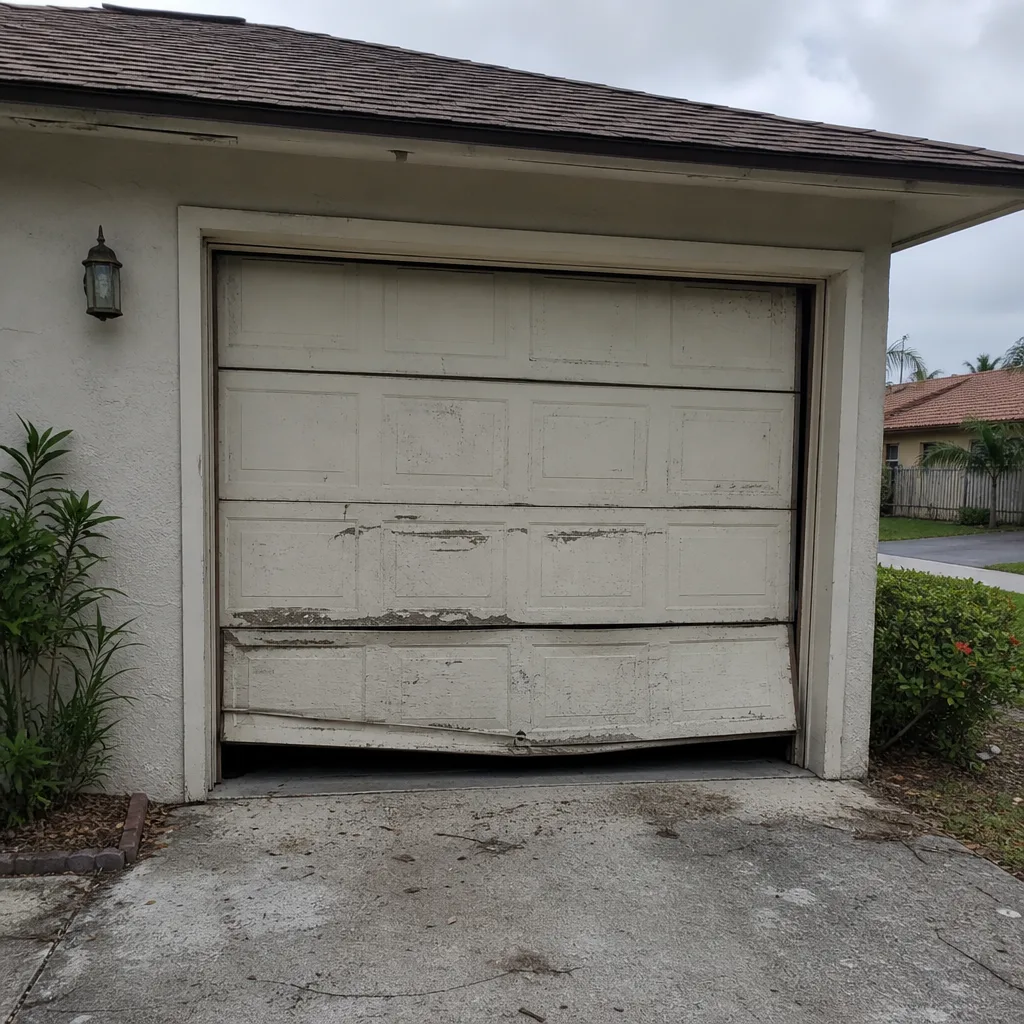 Before
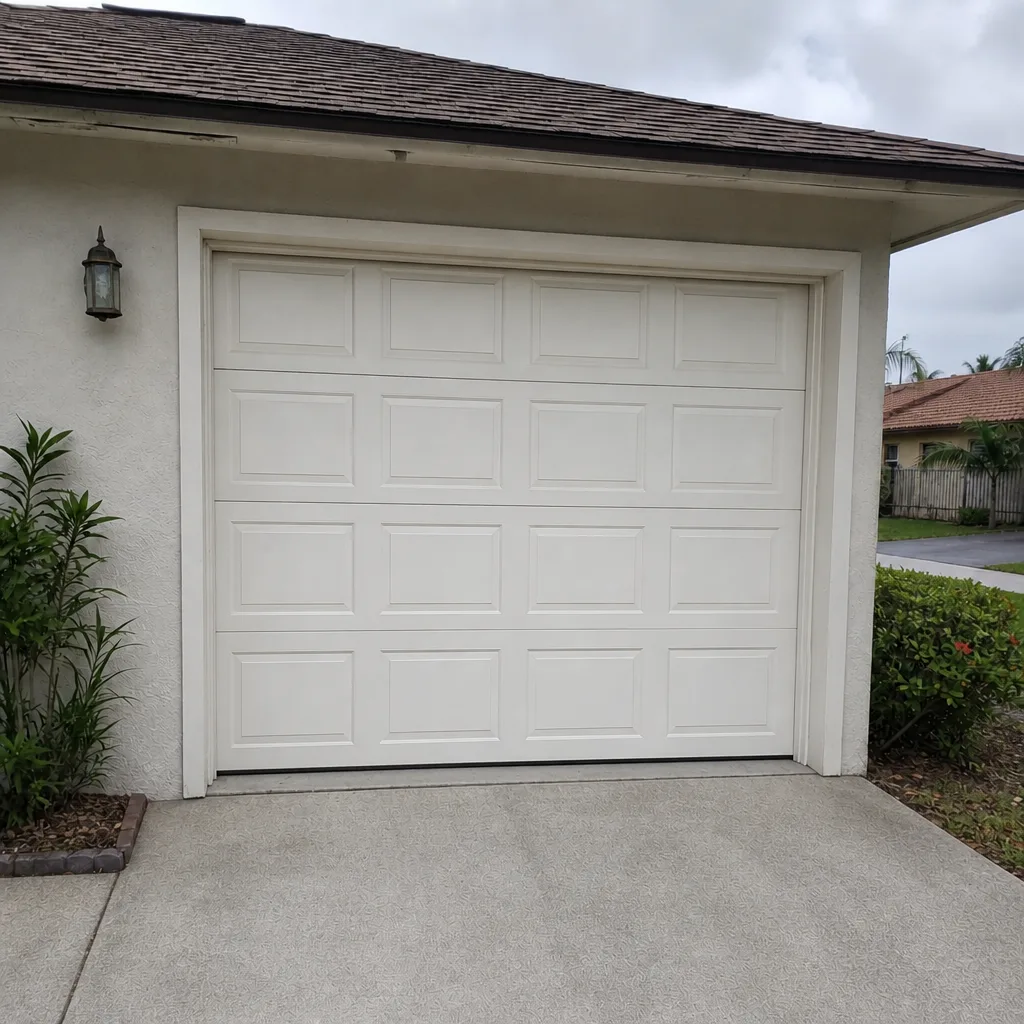 After
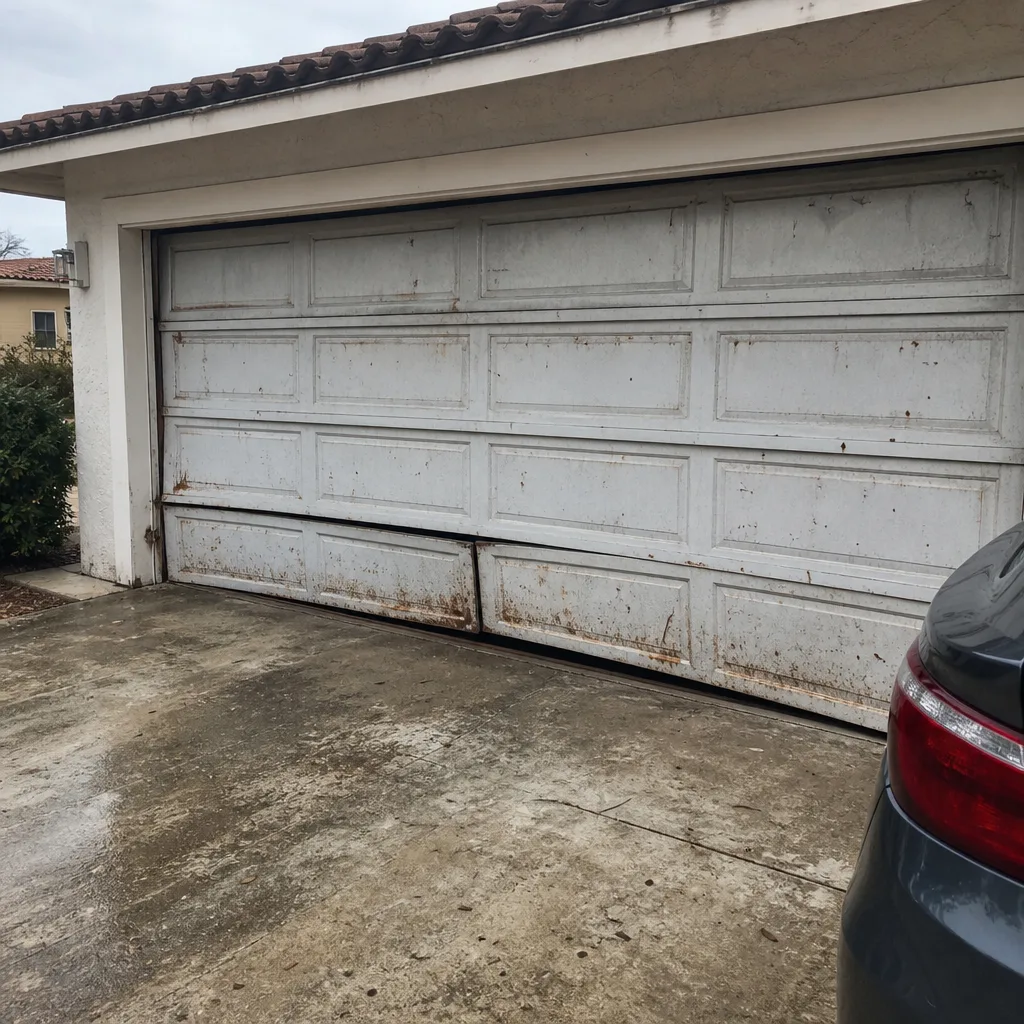 Before
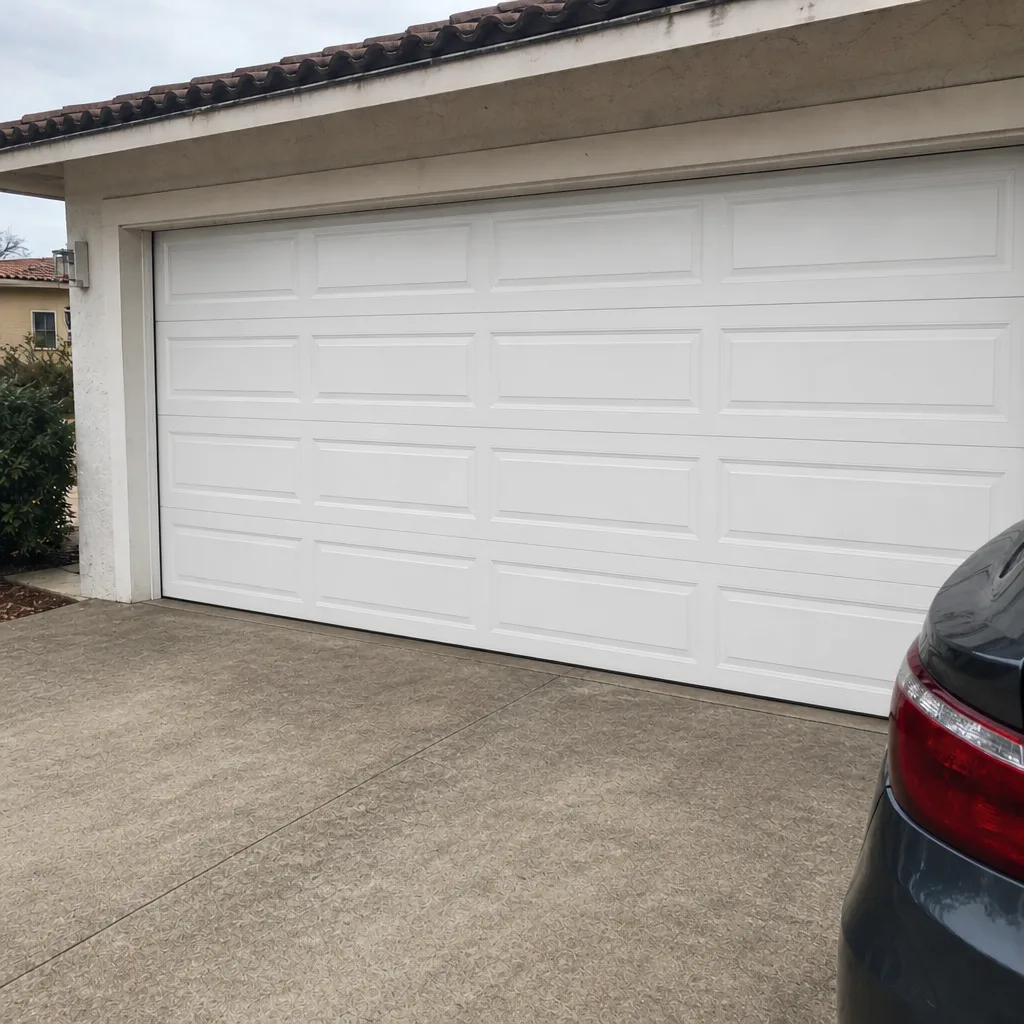 After
When to Call a Professional
Call a technician if any of these are true: a spring is broken or visibly pitted; a cable is frayed, kinked, or off its drum; the manual lift test has gotten harder in the last month; the door hangs crooked or reverses partway on close; you hear a pop or bang during operation. Also call if you’re not sure – a free estimate is the cheapest way to know. High-tension springs and cables are the most dangerous part of any garage door system, and this is not a DIY repair. Our technicians have up to 13 years of experience, and we work on the brand you already have – Genie, LiftMaster, Chamberlain, Genie, Clopay, Amarr, Wayne Dalton, Craftsman, and Raynor among them. Aventura Garage Door Repair offers free estimates in Aventura – call (877) 522-1812.
We answer 24/7. Fast dispatch from 7am to 7pm, Sunday through Friday. A call outside dispatch hours is booked into the next opening.
Frequently Asked Questions
The most reliable first sign is a door that feels heavy on the manual lift test. Disconnect the opener, lift the door by hand, and if it takes real effort, the springs have lost tension. That change is a spring-life warning, and it typically shows up weeks before the door stops opening. Call (877) 522-1812 for a free estimate if the test feels heavier than it should.
No. With a broken spring, the door is no longer counterbalanced, and the opener or your arm is lifting the full weight of the door. That can damage the opener or cause a serious injury. Keep the door closed and call a professional for spring repair; estimates are free.
Spring repair is priced per spring by a written estimate, and a matched pair is usually replaced together, so the pair runs about twice a single spring. The written estimate sets the final price and is quoted before any work starts. Call (877) 522-1812 for an exact quote – estimates are free.
No. We inspect the door first, then quote a written price, and that price is agreed before any work starts. If we find something that changes the job – a drum that’s also worn, for example – we tell you before doing any work. Call (877) 522-1812 to book a free estimate.
The local professionals we connect you with are licensed and insured as their state requires. We handle spring, opener, and door repair across the major brand families, including Genie and Clopay. Call (877) 522-1812 to schedule an estimate.
Almost never. A failing opener is usually a repair job, not a door replacement – we’re a repair-first specialist and the goal is fixing what’s broken. If the door itself is out of balance, the problem may not be the opener at all. Call (877) 522-1812 and we’ll diagnose which component is actually failing before anything is replaced.
The Bottom Line
Most garage door failures send a warning weeks in advance: a heavier manual lift, a new squeak or pop, a shine of rust on a spring, a door that hangs crooked, or an opener that reverses partway for no clear reason. The work is knowing which sign means call today and which means call this week. The manual lift test is the single best habit to build. The visual checklist takes two minutes a month. When you find a warning sign in Aventura, the repair-first move is to diagnose before replacing – and we’re happy to run that diagnosis for free.
Call (877) 522-1812 for a free estimate. We answer 24/7. Fast dispatch from 7am to 7pm, Sunday through Friday. Whether you’re in Aventura or the surrounding area, we’ll start with what’s actually broken and fix that first. That’s Aventura Garage Door Repair: one trade, done right. Springs, cables, and openers are the technical core of the job, and we’d rather repair your existing system than sell you a new one. And if you’re also noticing opener trouble, our garage door opener repair team handles the same brand families you already own.
Written by the team at Aventura Garage Door Repair.