
Last updated November 20, 2026
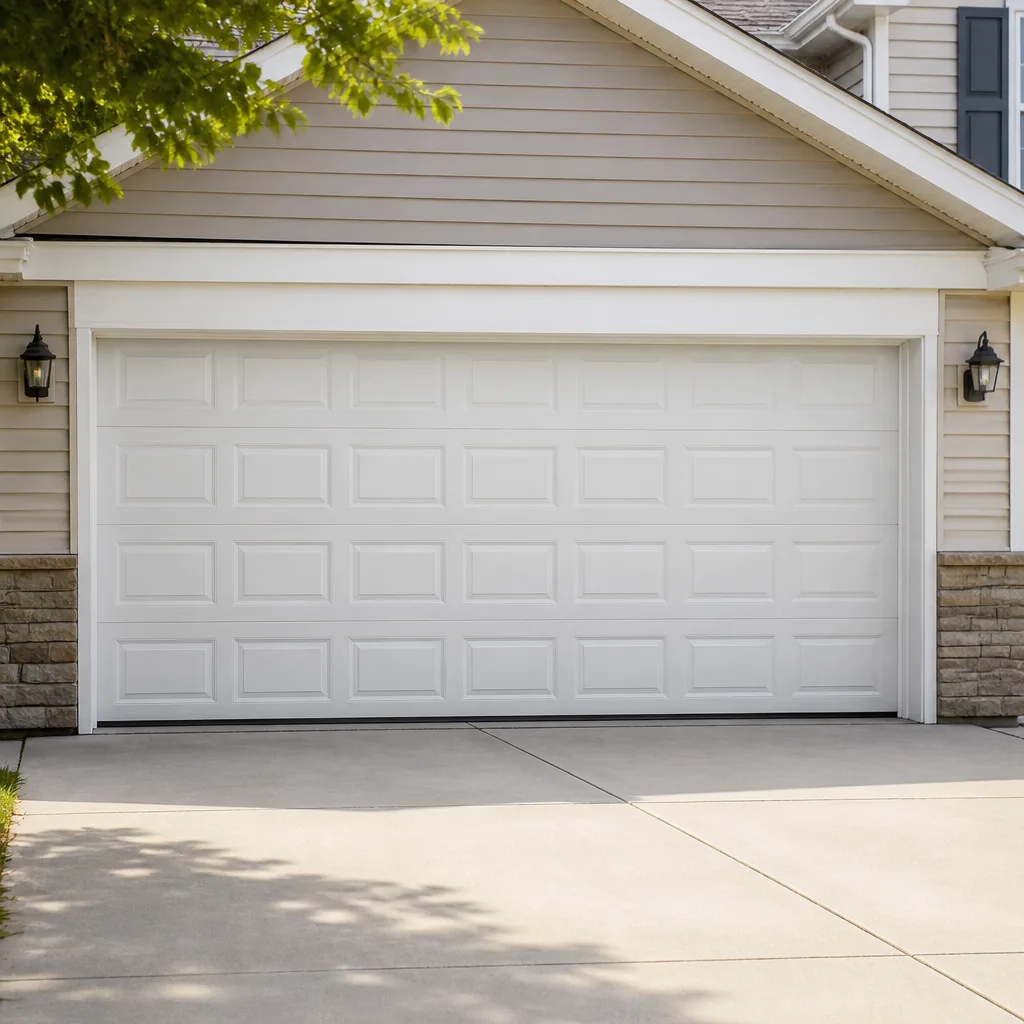 Raised-panel steel
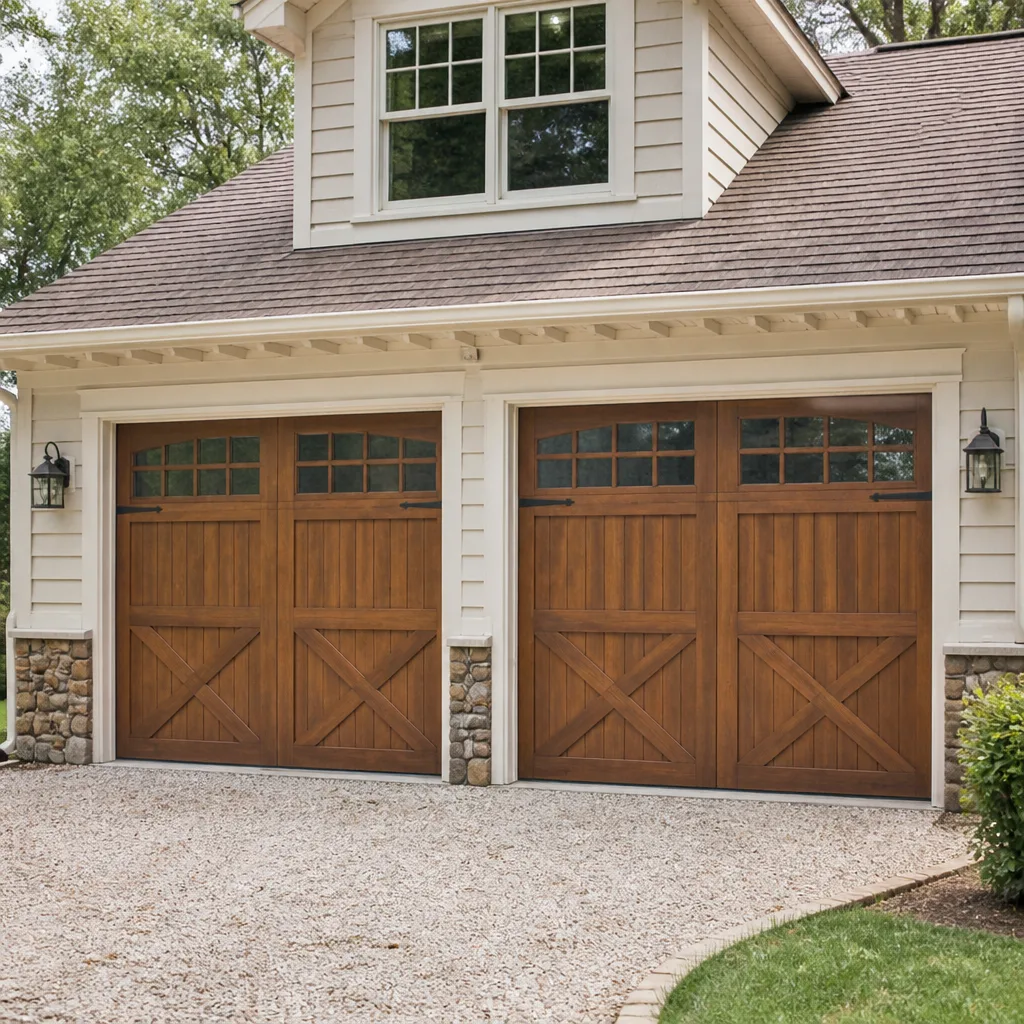 Carriage house
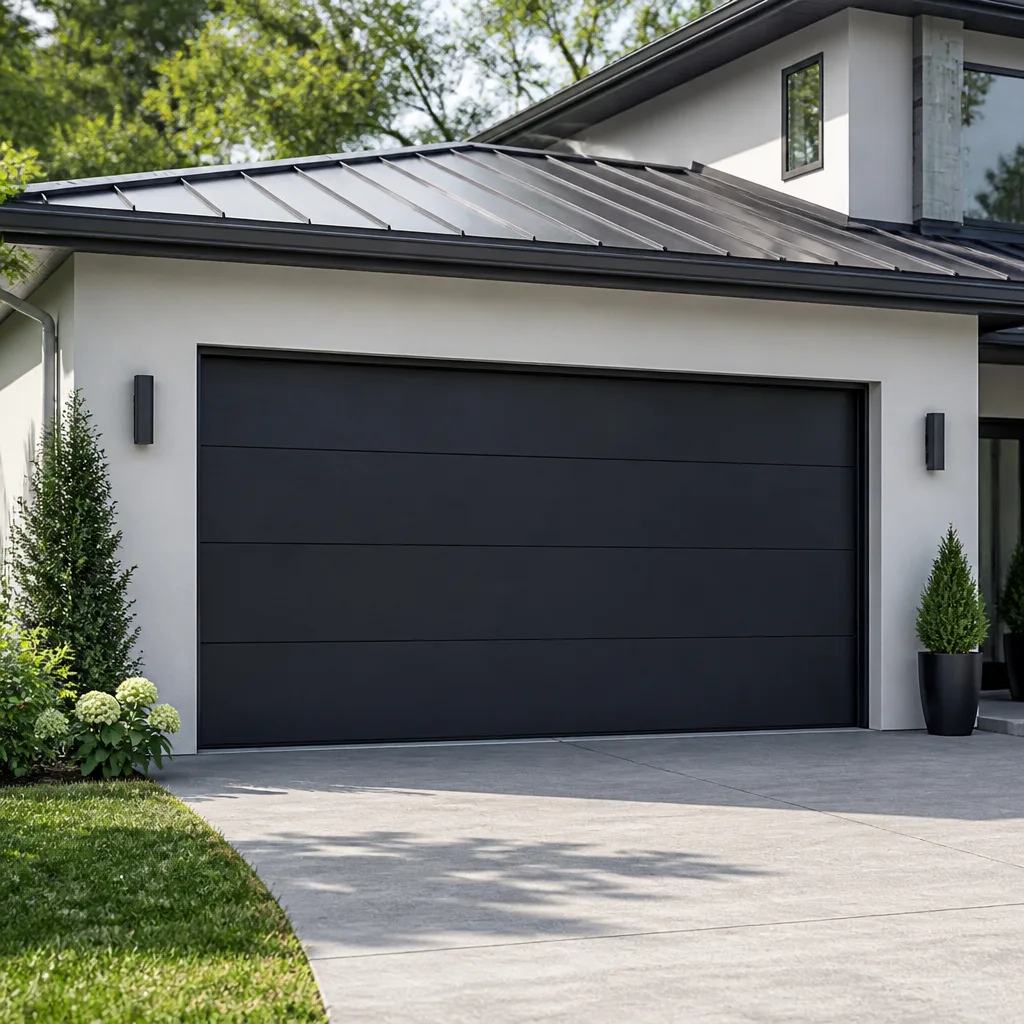 Modern flush
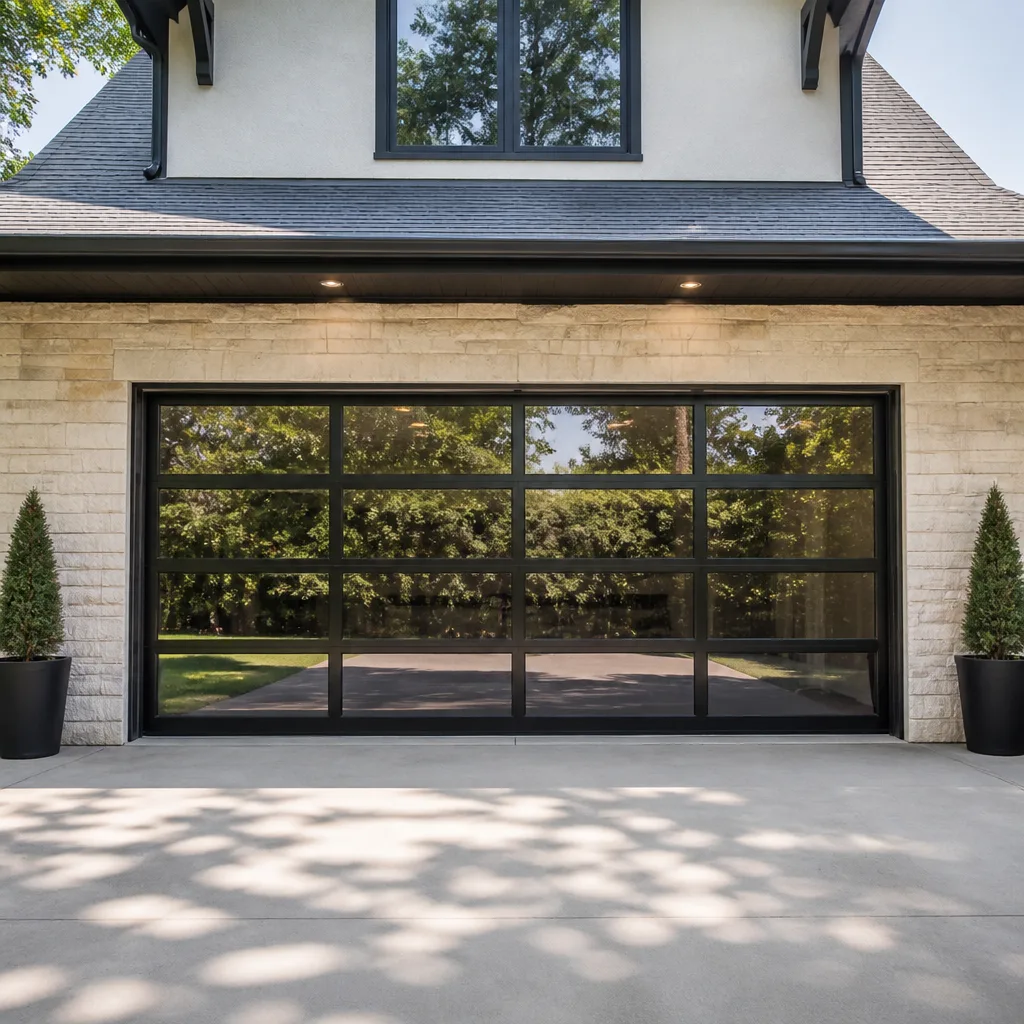 Full-view glass
 LiftMaster openers
 Chamberlain openers
Full 25-point door and opener safety check with every visit - springs, cables, rollers, tracks, and your LiftMaster or Chamberlain opener included
You get a price before we start. It does not change when the pro arrives.
Get your free estimateGarage Door Repair Maintenance Checklist for Aventura Homeowners
Lubricate the rollers every six months. That’s the advice you’ll find everywhere. It’s not wrong, but it’s the fifth most important thing to check on an Aventura garage door, and most homeowners never get to items one through four. In this climate, the parts that fail first are the ones nobody tells you to look at: torsion springs, cables, and bottom brackets that corrode quietly long before a roller ever squeaks. Below is a checklist built around what actually breaks in Aventura homes and how often each part deserves a look. You’ll learn what to inspect, how often, what to listen for, and where the line sits between a Sunday morning check and a job that belongs with a technician.
Quick Answer
An Aventura garage door should get a light visual check monthly, a full balance and safety test quarterly, and professional service once a year or the moment you hear grinding, see rust on a spring, or notice the door drifting off its track. The three failure points that matter most here are torsion springs, cables, and bottom brackets, because humidity and salt air attack them first. Everything else on a standard checklist is secondary.
Styles & brands we work with
- Raised-panel steel
- Carriage house
- Modern flush
- Full-view glass
- LiftMaster openers
- Chamberlain openers
Table of Contents
- Why Rust Comes First in Aventura
- The Torsion Spring Inspection Protocol
- Cable and Bottom Bracket Checks
- Bottom Seals and Weatherstrip for Heavy Rain
- Photo-Eye Sensors and Heat Drift
- The Manual Balance Test and What to Listen For
- How Often to Check What
- Lubrication, Done Correctly
Why Rust Comes First in Aventura
Most garage door maintenance advice is written for a climate with four seasons, where the enemy is cold and salt on winter roads. Aventura doesn’t work that way. The enemy here is moisture in the air, day after day, and salt carried on the breeze from the water that surrounds this part of Miami-Dade. That combination goes after unpainted or thinly coated steel, and garage door hardware is full of it.
Here’s the part that surprises homeowners. The rust that matters most isn’t the cosmetic spotting on a hinge. It’s the pitting that forms on the wire of a torsion spring, on the strands of a lift cable, and inside the pivot points of a bottom bracket. Those parts are under constant tension. A spring with surface rust is ugly. A spring with pitted wire has lost cross-section, and that’s where it fails.
Check these monthly, with a flashlight, standing safely back from the door:
- Torsion spring coils for orange-brown discoloration or flaking
- Lift cables for frayed strands, fuzzy edges, or rust-colored staining on the drum
- Bottom brackets and their bolts for corrosion and white powdery residue
- Track surfaces for rust streaks that suggest water is sitting somewhere
- Hinges at the joints, especially the lowest two, which see the most splash
Light surface rust on a hinge can be cleaned and protected. Rust on a spring or a cable is a signal to have it looked at, not cleaned. If you see it, that’s a good moment to schedule a proper look before it turns into a snapped spring at seven in the morning. We handle that kind of work every week in Aventura through our garage door spring repair, and the most common thing we hear is that the rust was there for months before the failure.
The Torsion Spring Inspection Protocol
Torsion springs are the most dangerous part of any garage door system. They hold the full weight of the door under extreme tension, and when they let go, they let go with a sound like a gunshot and enough force to damage anything in the way. That’s why this section tells you what to look at, never what to touch.
What you can safely check, from the floor, with the door closed:
- Look at the coil. A healthy spring is uniform, with even spacing between coils. A spring with a visible gap or a coil sitting out of line has already started to fail.
- Look for the rust pattern. Rust concentrated in one spot, rather than evenly spread, is a stress point.
- Look at the shaft and drums. Any rust-colored dust on the drum or the shaft is wire shedding from the spring or cable. Treat it as urgent.
- Listen for a dull clunk when the door opens. A healthy door opens smoothly. A clunk or a pop means something has shifted.
- Note any sudden change in how the door feels. A door that suddenly becomes heavy or slams shut is telling you the spring has lost tension.
What you should never do is try to adjust, wind, unwind, or remove a spring. That work requires proper winding bars and specific knowledge of the tension in the system, and there is no safe shortcut. When we talk to Aventura homeowners about this, we say the same thing every time: springs are not a homeowner repair. If you suspect a spring problem, call a professional. Our Aventura Garage Door Repair team handles high-tension spring work as part of our normal service, and our technicians have up to 13 years of experience with exactly this kind of job.
If the door won’t lift at all, or the spring has visibly snapped, stop operating the opener. Running a door with a broken spring can pull the cables loose or bend the tracks, which turns a spring repair into a much bigger project.
Cable and Bottom Bracket Checks
Cables do the lifting, and bottom brackets anchor them at the base of the door. Both sit low, both get splashed when rainwater runs under the door, and both corrode faster in Aventura than they would almost anywhere else in Florida.
What to check, and how:
- Cable condition. With the door closed, run your eyes along each cable from the drum down to the bottom bracket. Look for broken strands, kinks, or rust staining. A kinked cable is under uneven load and can snap.
- Bottom bracket bolts. They should be snug. Corrosion loosens fasteners over time, and a loose bracket lets the cable jump.
- Bracket corrosion. Any rust that has eaten into the metal is a replacement, not a touch-up.
- Cable slack. With the door closed, both cables should have similar tension. One noticeably looser than the other means something is out of adjustment.
- Track alignment at the base. If the track has pulled away from the bracket, the door will drag.
Again, inspection only. Cables and bottom brackets are under spring tension even when the door is closed. Never loosen a bracket bolt to “check” it. If you see rust that has worked into the metal, or a cable with a single broken strand, have it examined. That’s a job for a trained technician, not a DIY project, and it’s not something to put off until the weekend.
Bottom Seals and Weatherstrip for Heavy Rain
Aventura gets rain the way other places get weather. Afternoon storms can drop a lot of water in a short window, and that water finds every gap. The bottom seal is your first line of defense, and it takes the most abuse of any part on the door.
Check the bottom seal by closing the door and looking at it from the inside, with a flashlight:
- Look for daylight under the door. Any visible gap is a gap water will use.
- Feel along the floor with your hand where the seal meets concrete. Dampness after a dry day means the seal isn’t contacting.
- Check the seal for cracks, splits, or a compressed flat spot where the door rests.
- Look at the threshold itself. Standing water against the threshold after a storm means the grading or drainage outside needs attention too.
- Inspect the side weatherstrip on the jambs and the top seal. All three should be intact and pliable.
A seal that’s hardened, cracked, or flattened needs replacement. A seal that’s intact but not contacting the floor can sometimes be adjusted by a technician who knows the door. Either way, this is one of the cheapest fixes on the whole checklist, and one of the most consequential in this climate. Water that gets under the door reaches the bottom bracket, the track, and eventually the inside of your garage.
While you’re at it, check the garage for standing water after a heavy storm. Water that pools under the door and stays tells you the seal or the lawn drainage needs work.
Photo-Eye Sensors and Heat Drift
Every automatic garage door has a pair of photo-eye sensors mounted near the floor at each side of the opening. They shoot an invisible beam across the doorway. If the beam breaks, the door reverses. That safety feature is the reason nobody gets crushed by a closing door, and it depends entirely on those two small sensors staying aligned.
In Aventura, alignment drifts. Heat expands the metal track brackets and the door frame, and those small movements are enough to nudge a sensor out of line over a summer. The door then refuses to close, or closes partway and reverses for no obvious reason.
Quick check, done monthly:
- Look at the small LED on each sensor. Most models have one light on the sending unit and one on the receiving unit. If either is dark or flickering, alignment, wiring, or the sensor itself needs attention.
- Wipe the lens on both sensors with a dry cloth. Dust and pollen build up faster than you’d think.
- Close the door and wave a hand through the beam near the floor. The door should reverse. If it doesn’t, stop and call a technician.
- Check that nothing is stored within a couple of feet of either sensor. Trash cans, bikes, and garden tools are the most common cause of a door that “randomly” reverses.
If realigning the sensor by hand doesn’t hold for more than a few days, the bracket itself has probably moved or the wiring has a fault. That’s a case for a repair visit. Sensor issues show up constantly in our garage door opener repair calls, and they’re usually a quick fix once the technician is on site.
The Manual Balance Test and What to Listen For
The balance test tells you whether the springs are still doing their job. It’s the single most useful thing you can do as a homeowner, and it requires nothing more than your hands and your ears.
How to do it:
- With the door closed, pull the manual release cord to disconnect the opener. The door should now move by hand only.
- Lift the door to about waist height and let go. A properly balanced door stays where you put it, or moves only slightly.
- Lift it to shoulder height and let go. Same test.
- Lift it to fully open and let go. It should stay up.
- Reconnect the opener when you’re done.
A door that falls on its own at any point is out of balance. A door that takes real effort to lift has lost spring tension. Either way, stop using the opener and get the springs checked.
Now the listening part, which separates a worn spring from a failing one. A worn spring usually announces itself with a light metallic rattle when the door moves, or a door that’s heavier than it used to be. A failing spring sounds different: a sharp pop, a bang, or a sudden snap when the door moves, followed by a door that won’t lift at all. If you hear the second sound, the spring has likely already broken. Don’t run the opener. Don’t try to force the door. Call for service.
Our technicians have up to 13 years of experience distinguishing those two sounds, and it’s often the difference between a routine repair and an urgent one.
How Often to Check What
Annual garage door inspections are standard advice, and they miss the point in Aventura. Humidity and salt air don’t wait twelve months to do their work. Here’s the schedule we recommend to homeowners in Aventura, based on what actually fails here.
- Monthly: visual check of torsion springs, cables, and bottom brackets for rust. Photo-eye sensor light check. Look for daylight under the bottom seal.
- Quarterly: full balance test. Cable condition and bracket bolt snugness. Track alignment. Weatherstrip condition on all three sides.
- Twice a year: lubrication, done correctly (see below). Full opener safety reverse test with a roll of paper towels or a piece of wood.
- Annually: professional service visit. The technician checks spring tension, opener force settings, all safety systems, and the parts you can’t safely reach.
If your door is older, or if it’s a brand like Raynor or LiftMaster that has been in service for a while, shorten the quarterly checks to every other month. Older hardware accumulates corrosion faster.
One more note on timing: check the door after any long stretch of rain and after any period of heavy heat. Those are the two conditions most likely to reveal a problem in Aventura. A door that worked fine in a mild week can develop a sensor fault or a stiff spring after a hot run.
Lubrication, Done Correctly
Lubrication is the fifth most important item on this list, but it still matters. Just do it right, and use the right product.
- Use a silicone-based or lithium-based garage door lubricant. Not WD-40, not motor oil. Those attract dust and gum up.
- Lubricate the hinges at the pivot points. A drop at each joint is enough.
- Lubricate the rollers. A small amount on the bearing, not on the track itself.
- Lubricate the torsion spring. Light spray along the coil reduces friction and slows corrosion slightly.
- Don’t lubricate the track. The track should be clean and dry. Lubricating it makes rollers slide instead of roll, which causes slipping and wear.
- Wipe down the track with a dry cloth to remove grit. Grit wears rollers fast.
LiftMaster, Chamberlain, and Genie openers all use the same general lubrication points. The specific requirements for your door depend on its hardware, and a technician can tell you which parts on your door actually need lubrication and which don’t. Many newer doors with sealed bearings need less than older models.
Common Mistakes to Avoid
- Lubricating the rollers and hinges but never looking at the springs. Springs fail first in Aventura because of corrosion, and a clean, well-lubricated door can still have a spring that’s about to snap.
- Wiping rust off a spring with a rag and calling it fixed. Rust on a spring means the wire is losing cross-section. Cleaning the surface hides the problem without solving it.
- Adjusting the opener’s force settings to compensate for a heavy door. Turning up the force to get a stiff door to lift is dangerous. It makes the opener work harder against a spring problem and can damage the door or the opener.
- Ignoring a small drip under the door after rain. In this climate, water under the door reaches the bottom bracket and the track. A cheap seal replacement becomes a much bigger job if you leave it.
- Doing the balance test with the opener still connected. The spring tension is hidden from you when the opener is engaged. Always pull the release cord first.
- Skipping the sensor check because the door “seems fine.” Sensor alignment drifts quietly during hot weather. A door that closes today can refuse to close next week after a hot weekend.
- Using a general handyman for spring or cable work. This is a specialized trade. The tools and the knowledge are specific to garage doors, and a generalist can get hurt. Our team works on one trade, done right, and that’s why we handle this work every day in Aventura.
See the difference
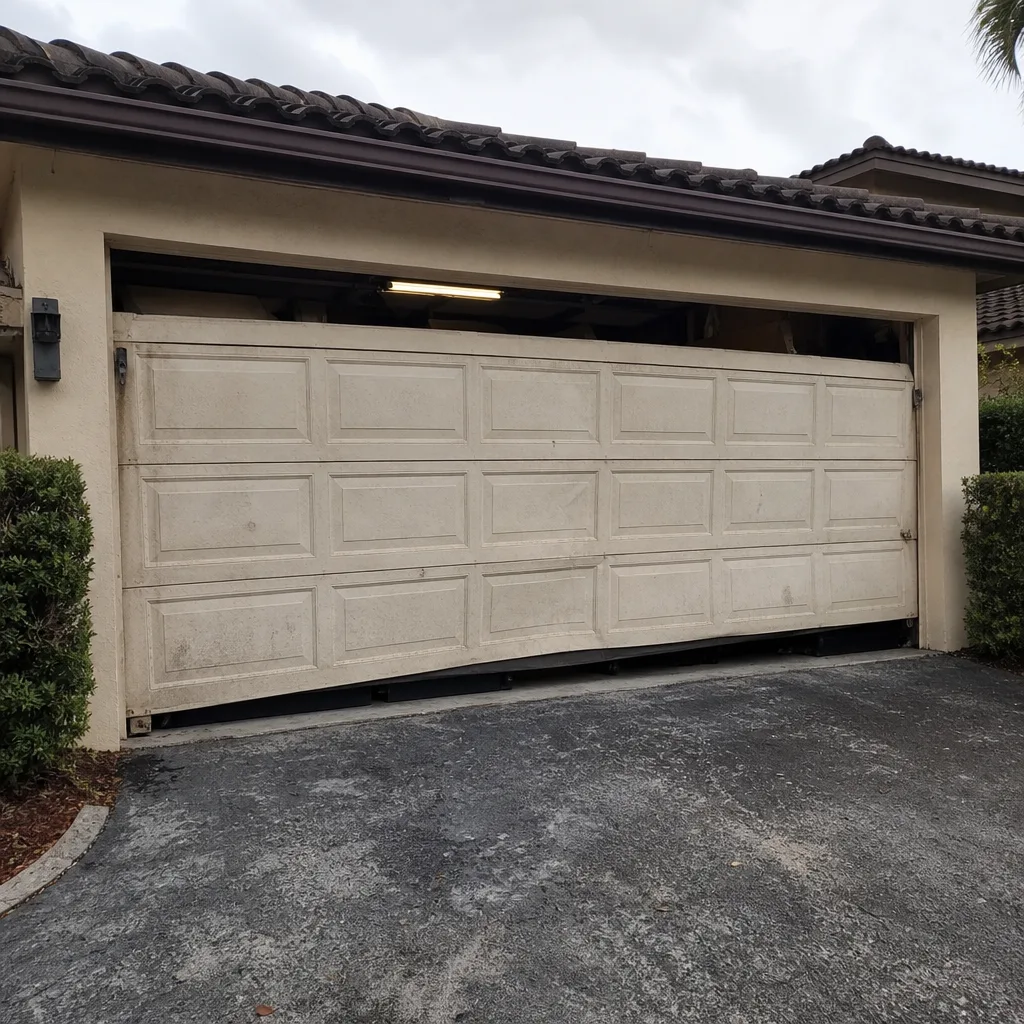 Before
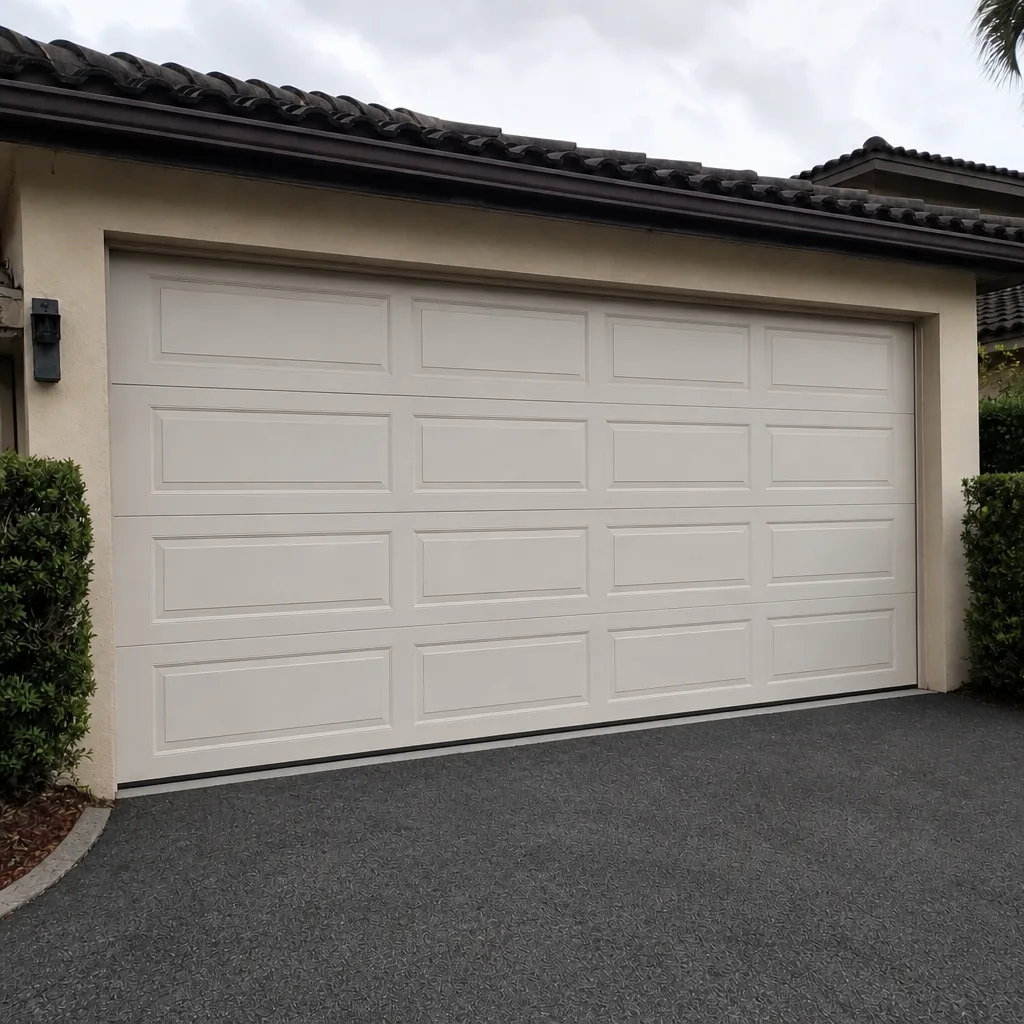 After
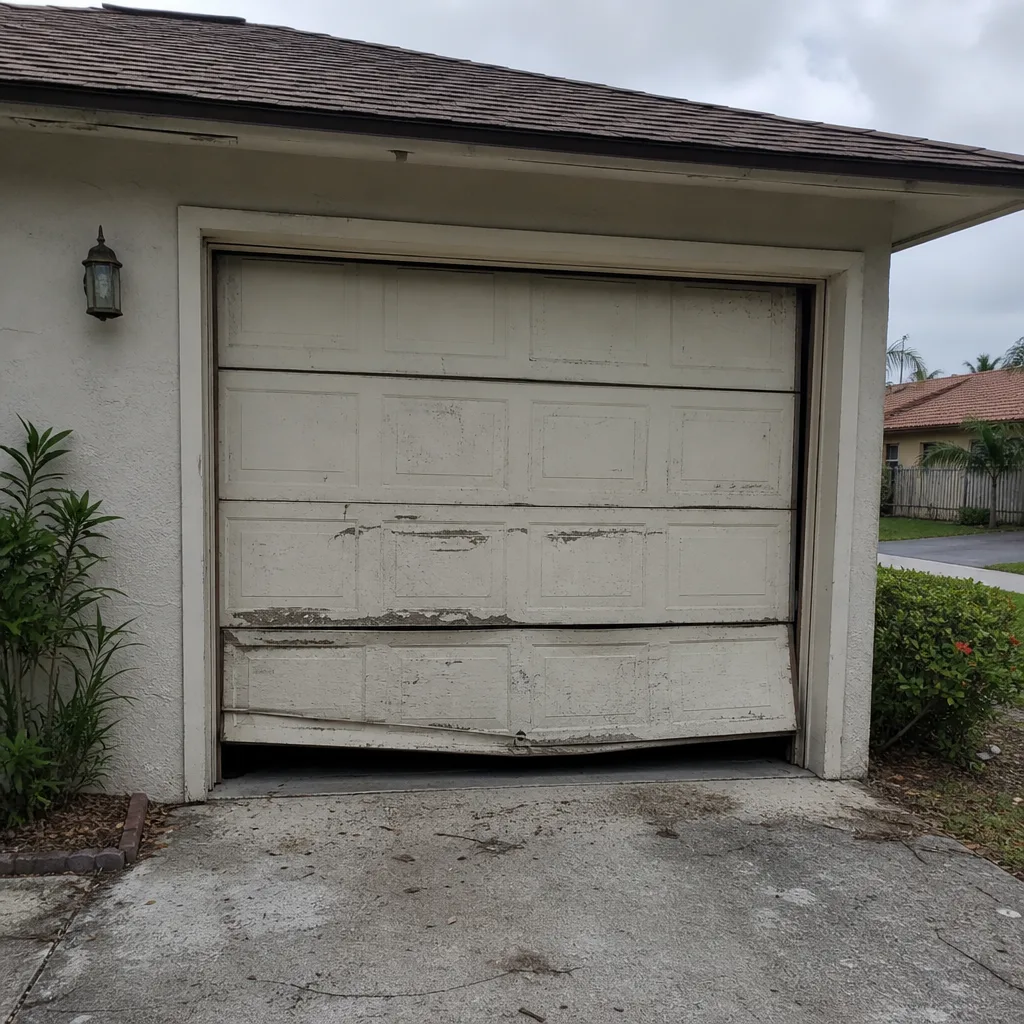 Before
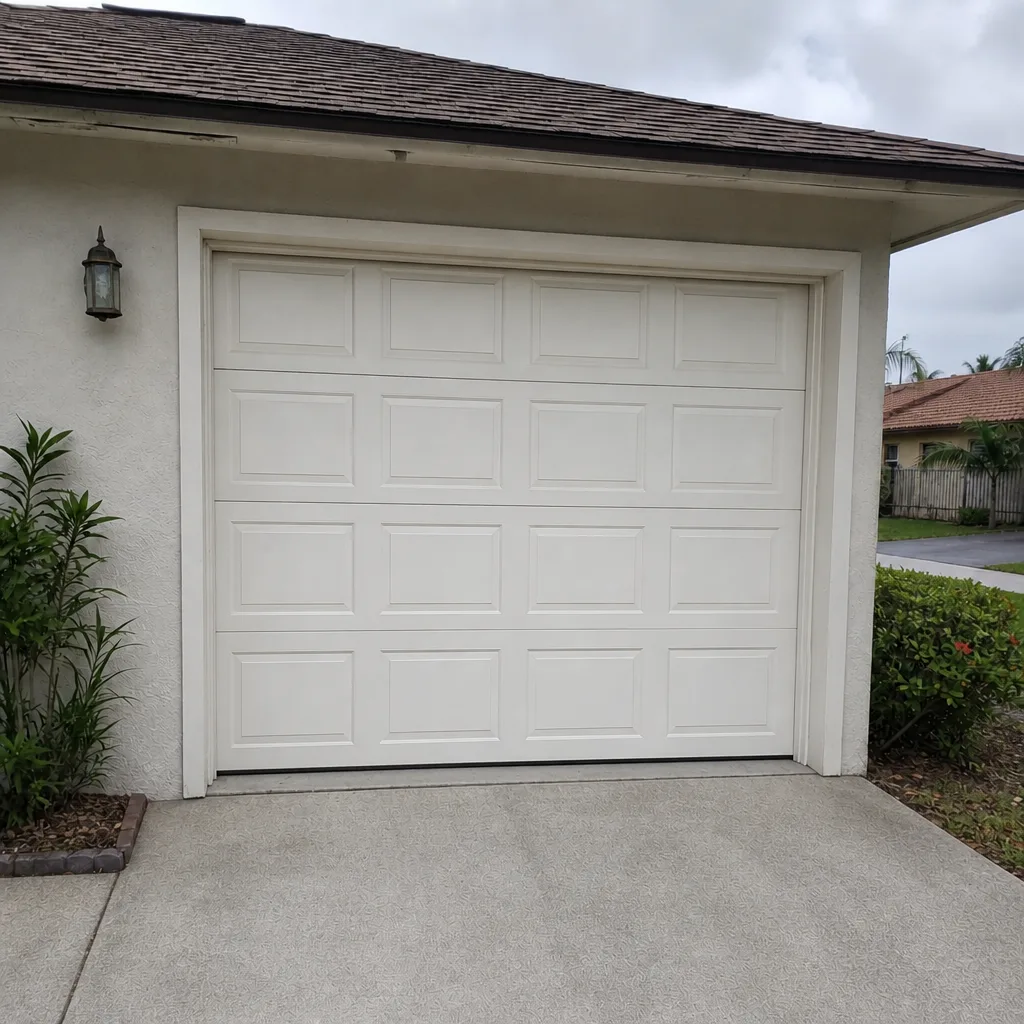 After
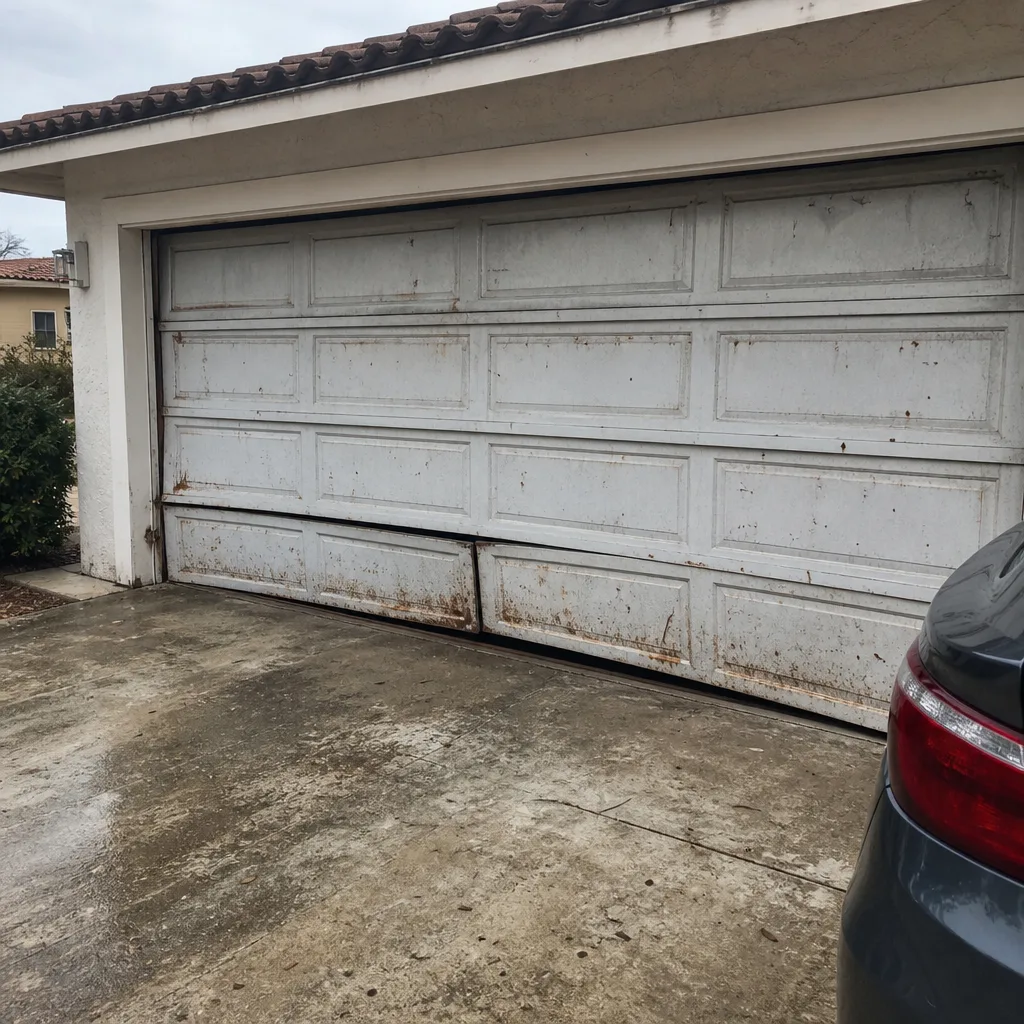 Before
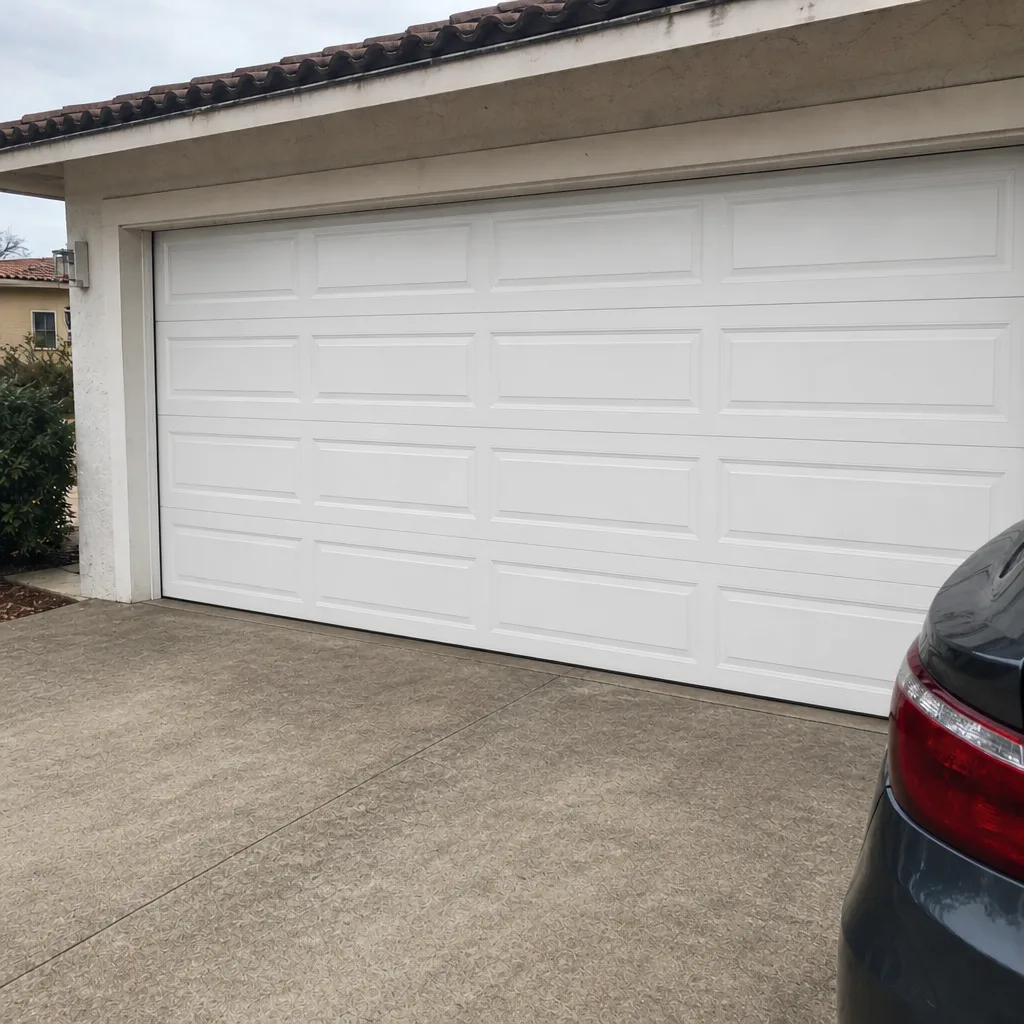 After
When to Call a Professional
Some of this checklist is safe for any homeowner to do. Some of it isn’t. Call a professional when you see broken or pitted springs, frayed or kinked cables, a snapped spring, a door that won’t balance, a door that reverses for no reason after a sensor adjustment, or a bottom seal that’s failed and let water reach the hardware. Also call if your opener is making a grinding noise, if the door has come off its track, or if you’ve had the same problem twice.
Aventura Garage Door Repair offers free estimates in Aventura. Call (877) 522-1812. We answer 24/7, with fast dispatch from 7am to 7pm, Sunday through Friday. We work on the brand you already have, from LiftMaster and Chamberlain openers to Clopay and Amarr doors, and our repair-first approach means we’re looking to fix what’s there, not replace it.
Frequently Asked Questions
Check it monthly for rust on springs, cables, and bottom brackets, and run a full balance and safety test quarterly. Annual professional service is still worthwhile, but the monthly and quarterly checks catch the problems this climate produces before they turn into a larger repair. Call (877) 522-1812 for an exact quote if you’d rather have a technician do the check.
No. Torsion springs are under extreme tension and are the most dangerous part of the system. Adjusting or replacing them without the right tools and training can cause serious injury. Stop using the door and call a professional. We handle high-tension spring work every week, and estimates are free.
Most often it’s a photo-eye sensor that’s out of alignment or blocked. Heat expansion can shift a sensor bracket in Aventura’s summers, and dust on the lens causes the same symptom. Clean the lens, check alignment, and if the problem persists, call (877) 522-1812. Fast dispatch from 7am to 7pm, Sunday through Friday.
Light surface rust on a hinge is common. Rust on a torsion spring is not something to ignore, because pitting reduces the wire’s strength and leads to early failure. Have any rust on a spring or cable evaluated. Our technicians have up to 13 years of experience and can tell you whether it needs replacement now or later.
First check the photo-eye sensors and anything stored in their path. If the sensors look fine and the door still stops partway, stop operating it and call for service. A door that stops partway usually has a sensor, track, or opener fault that gets worse with continued use. Call (877) 522-1812. We’re closed Saturday and open Sunday through Friday, 7am to 7pm.
We work on the brands homeowners already own: LiftMaster, Chamberlain, Genie, Clopay, Amarr, Wayne Dalton, Craftsman, and Raynor. That includes opener repair for both LiftMaster/Chamberlain and Genie smart-home compatible systems. If you’re not sure what’s on your door, call and we’ll help you identify it: (877) 522-1812.
The Bottom Line
A garage door maintenance checklist for Aventura should put springs, cables, and bottom brackets first, because that’s what fails here. Rust from humidity and salt air works on those parts before it reaches the rollers, and a door that looks fine on the outside can be weeks from a snapped spring. Check monthly for corrosion, test quarterly for balance and sensor function, lubricate correctly, and call a technician the moment you see a broken spring or a frayed cable. Our team at Aventura Garage Door Repair works on the brand you already have and looks to repair what’s there before replacing anything. Call (877) 522-1812 for a free estimate.
Written by the team at Aventura Garage Door Repair.